Skip to content
Membership

Nick Fouquet on Imagination, Instinct, and the Language of Hats

April 29, 2026

Rashad Benton

Nick Fouquet

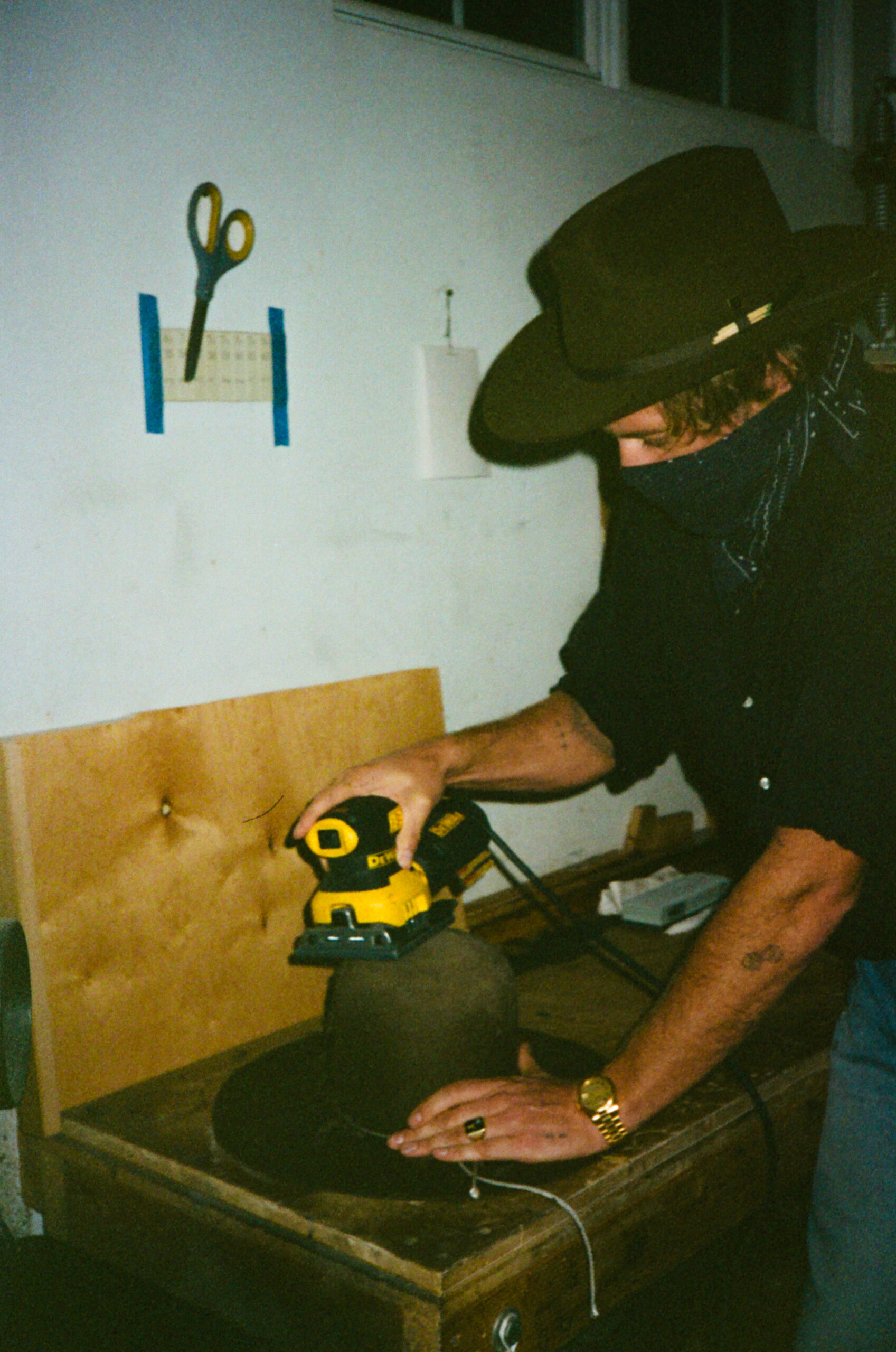
Nick Fouquet is a Los Angeles–based designer and hatmaker whose work sits at the intersection of craft, identity, and instinct. Born in New York City and raised between Royan, France and Palm Beach, his perspective is shaped by movement—across landscapes that continue to inform both the function and feeling of what he creates.

Initially trained in environmental science and sustainable development at Rollins College, Fouquet’s creative philosophy was formed long before fashion entered the picture. At a moment when Western-wear has re-entered the cultural conversation, his approach—rooted in lived experience and guided by intuition rather than trend—continues to quietly redefine the role of headwear within contemporary fashion. From Arthur Rimbaud to Keith Richards, he is drawn to figures who resist easy definition. That same tension—between construction and instinct—runs through his work.

You’ve spoken about imagining the entire universe of the person who might wear one of your pieces—what they listen to, how they move through the world—before the object itself emerges. When you design, are you creating for a person, or for a way of living?

It’s a good question. When I’m building a collection, the process happens on an imaginary level. I just finished one for fall/winter, and alongside it I wrote a 45-page short story. At the beginning, I had to ask: Who are these characters? What do they wear? What do they eat? What do they drive? Do they have a dog, and if so, what kind?

Ultimately, I’m creating for myself. Every collection is different, but understanding those characters is what drives the design process. I’m not interested in focusing on a specific person, or even someone I look up to. It’s more freeing to work this way.

Nick Fouquet

You have no formal training in design. How do you think that shaped your approach?

A lot of the people I admire didn’t have formal training. Ralph Lauren is a great example—someone who built his work from a clear point of view, an aesthetic, and a personal sense of style.

For me, not having that background has been an advantage. No one ever told me, “You can’t do it this way.” There are no constraints, which opens things up and allows for more experimentation. When people are taught a specific method, they can sometimes become boxed in.

How did you know you were good at it?

I wasn’t focused on whether I was good. I was doing it for myself, without thinking about who would wear it or what people would think. That mindset can take away from the creative process.

I grew up with five sisters who were all creatives—actresses, singers, musicians, so I was always surrounded by that energy. I was fascinated by what they were doing. Then, around 27 or 28, I found myself working for a French designer who was doing reproductions from World War I and II. That’s when it clicked. I fell in love with fashion—not just the garments, but the idea that what you wear can be a form of expression.

Your aesthetic feels rooted in lived experience—Patagonia, Topanga, Venice, Royan—rather than traditional fashion history. How has movement through landscapes shaped your work?

The world is the best classroom. I went to a liberal arts college — Rollins College in Winter Park, Florida — but my real education came from traveling, from the people I’ve met and the places I’ve been.

Being able to move through the world in that way has shaped how I see design. A lot of it comes from those experiences, those adventures. I’m not opposed to traditional institutions, and I respect them, but for me it’s different. The work comes from being out in the world.
Nick Fouquet

Do you see the people who wear your work as opting into a kind of identity?

Totally. Hats are fascinating accessories. Historically, they’ve always carried meaning.

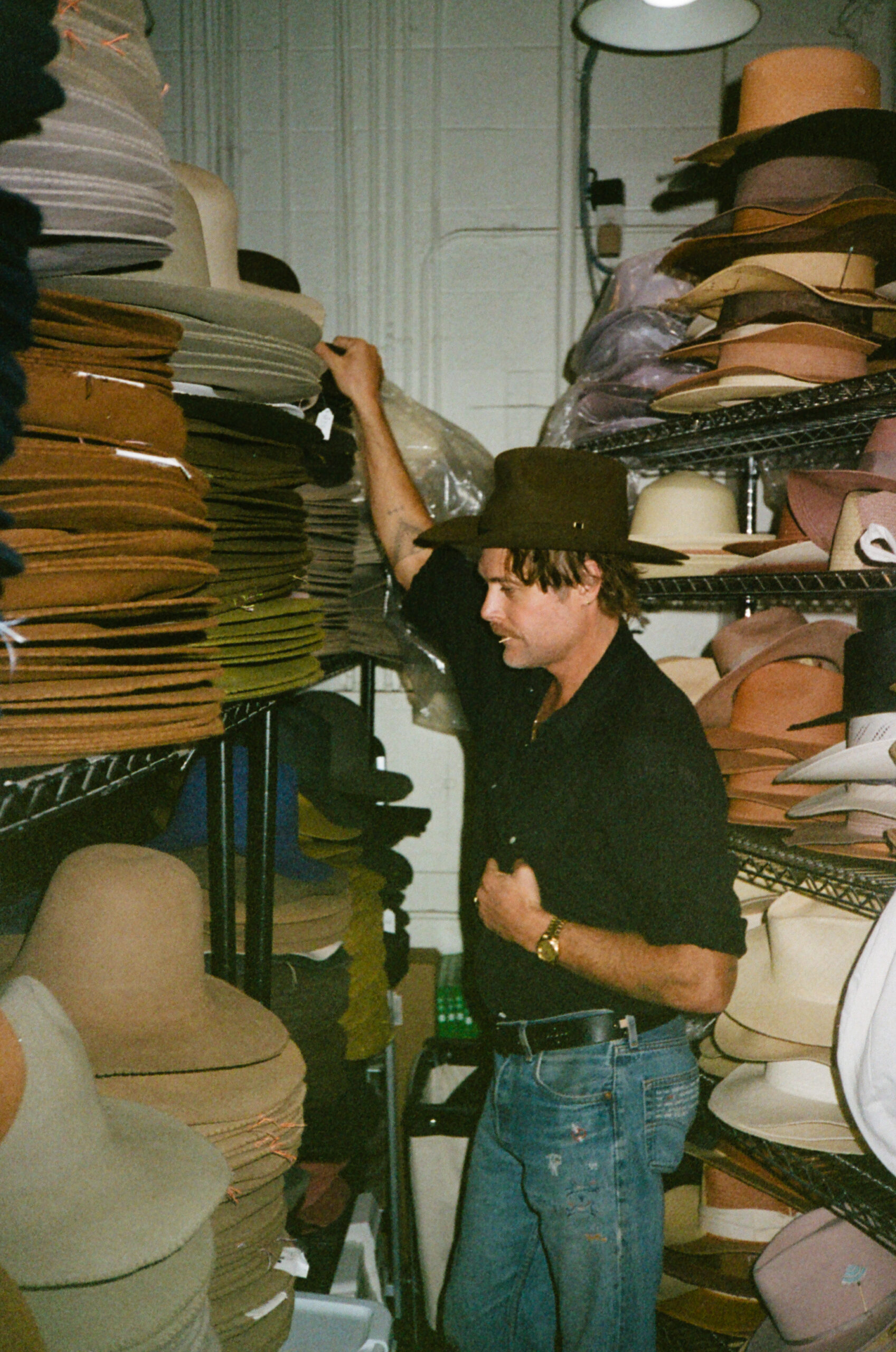
In the American West, headwear played a role in expansion. Felt was a dominant resource, and there’s a romanticism tied to that era, especially with cowboys. The shape of a hat could tell you where someone was from—Texas, Montana, different regions. As you moved around, people could identify you just by that.

If you go back even further, headwear has always signaled status. Kings, queens, princes, counts, crowns, all of it reflected hierarchy. And even before that, in ancient Egypt with pharaohs, and across parts of Africa, it carried meaning as well.

When you design, are you trying to revive that older sense of significance, or create an entirely new language for hats in the modern wardrobe?

I’m trying to create something that’s really me. I’m not looking to replicate the past, though I do pull influence from it. When I came onto the scene about 15 years ago, headwear was an underestimated and undervalued category. Not to sound arrogant, but I do believe there’s a line of demarcation between hats before and after what I did. It’s become a more design-driven, more important accessory.

A lot of the creatives I admire whether that be artists or musicians—use hats to amplify their persona and style. That’s the beauty of it. It can completely change and transform what you’re wearing.

Nick Fouquet

You’ve described hat-wearers as a “naturally selecting tribe.” What do you think that tribe recognizes in each other?

Strong individualism. Eccentricity. A willingness to stand out. People who are more adventurous.

There are a lot of reasons people come into our boutique. For some, it’s purely fashion. For others, it’s more personal, whether that’s confidence, creativity, or something health-related like hair loss. But there’s always a sense of people wanting to express something about who they are.

Nick Fouquet

You intentionally avoid studying other hat styles while designing to protect originality. In an industry driven by reference, how do you maintain trust in instinct?

I don’t care for trends. If someone says the new color is purple, I’m like, “Okay, we’re going to do green.”

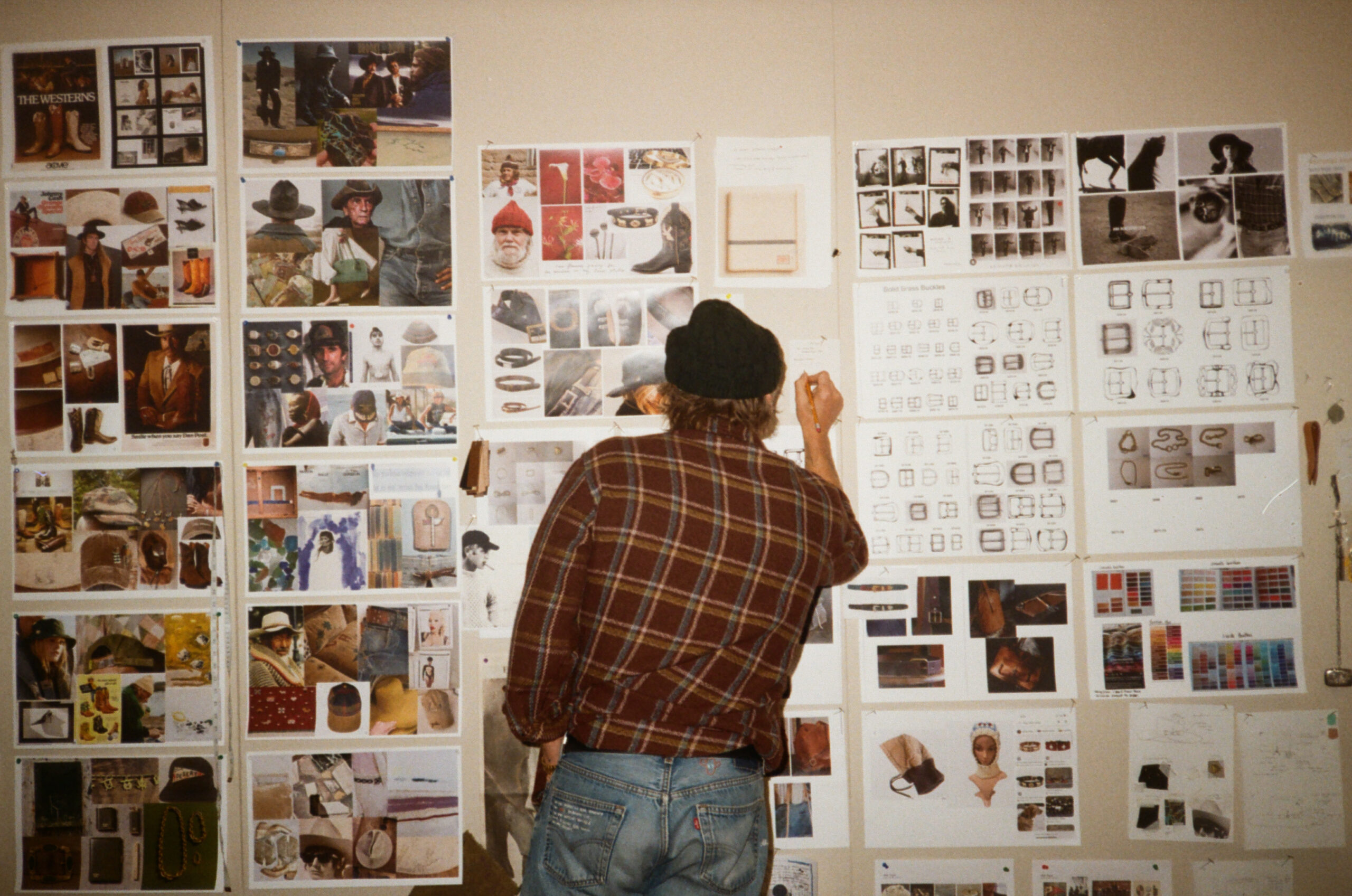
For me, it’s about staying true to what you believe and working from an intuitive place rather than relying too heavily on research. References can be useful, mood boards can help, but I’m not interested in chasing what’s current.

Trends come and go. Right now, wide-leg jeans are in and skinny jeans are out, but in a few years that will flip again. My response is always, “Who cares?” I’m not chasing trends. I’m focused on building something that lasts.

You’ve begun expanding into apparel. Can you speak more about that evolution?

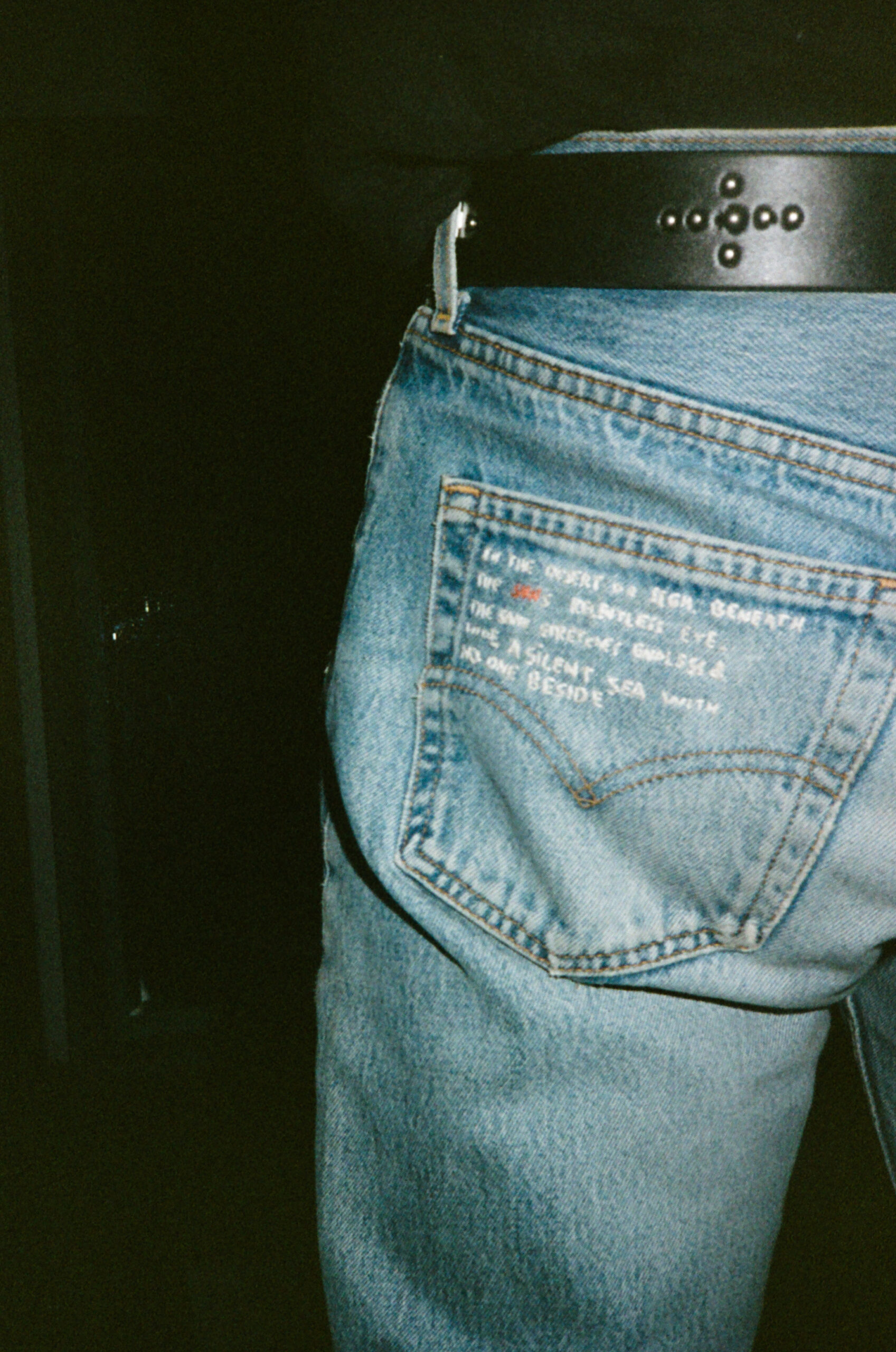
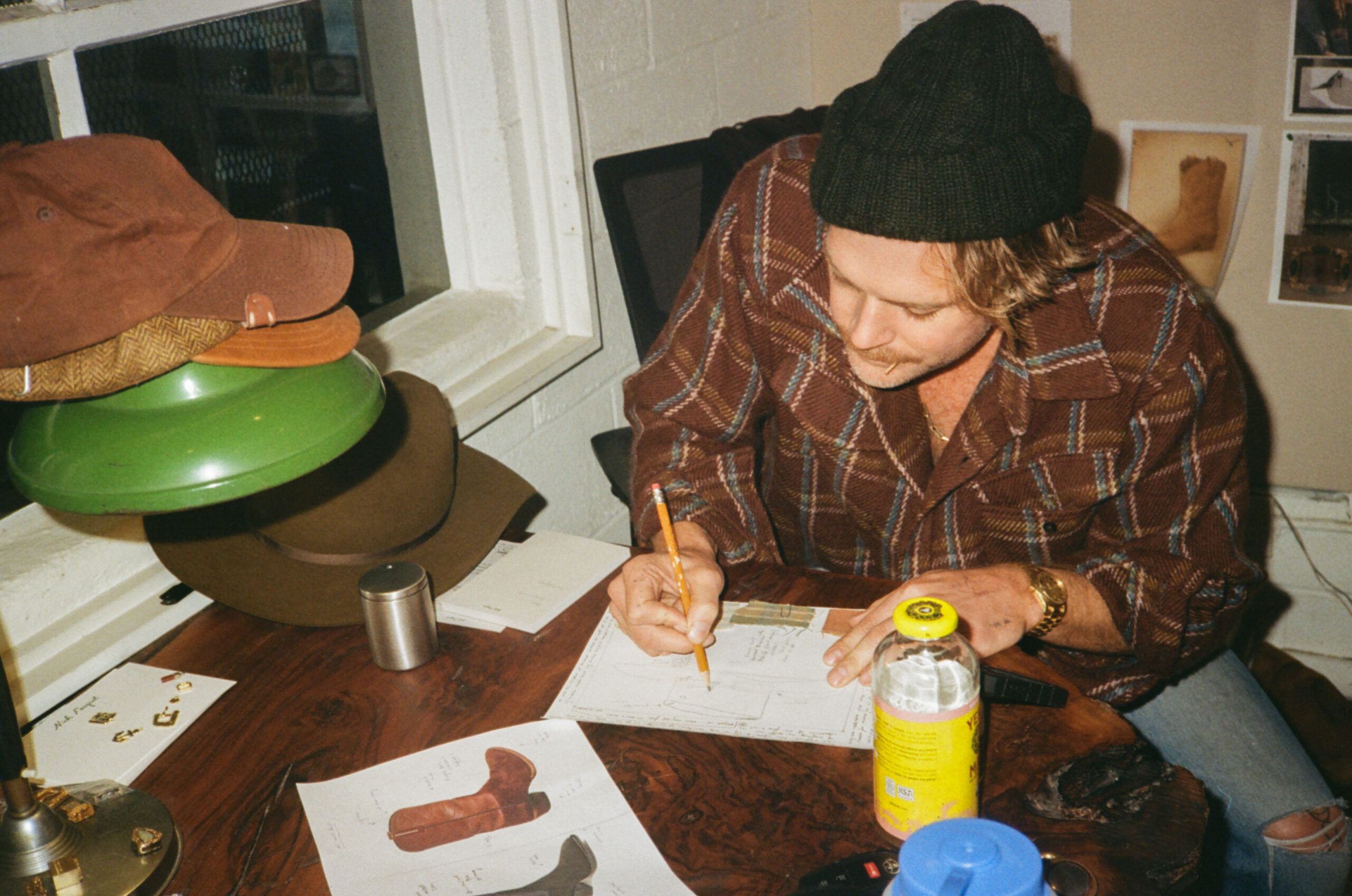
For me, it’s a natural evolution. It starts with accessories—belts, small leather goods, footwear, scarves. That’s the foundation we build from. Our pieces are made either in France or here in the States. When it comes to ready-to-wear, I’ve always looked at it differently. I see the clothing as the accessory of the brand.

Most brands are built around ready-to-wear with accessories as an extension. For Nick Fouquet, it’s the reverse. The hats are the core, and everything else supports that.

Nick Fouquet

Photos by Spencer Showalter

Nick Fouquet

Subscribe

Keep up-to-date with all the latest news from the Council of Fashion Designers of America.