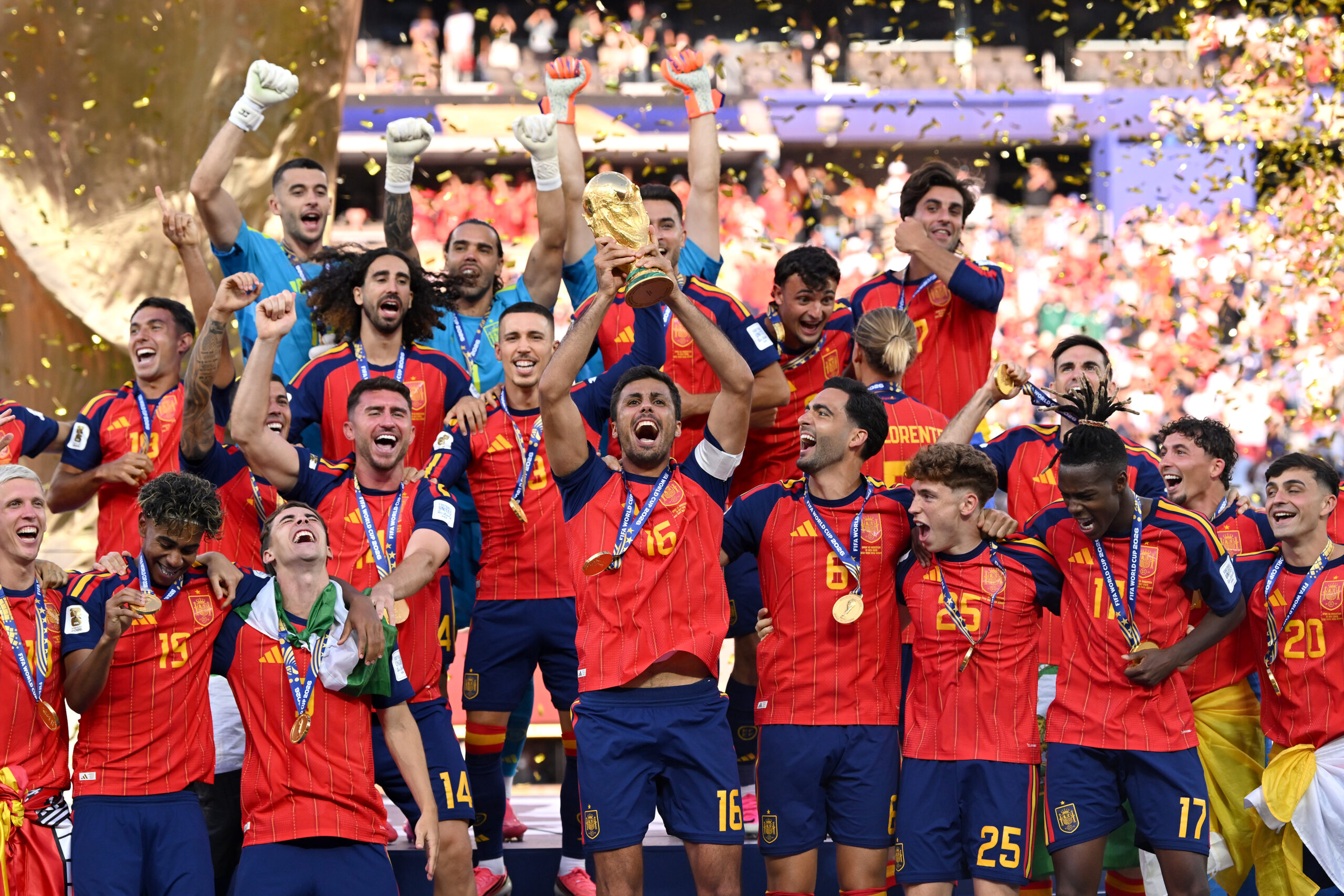
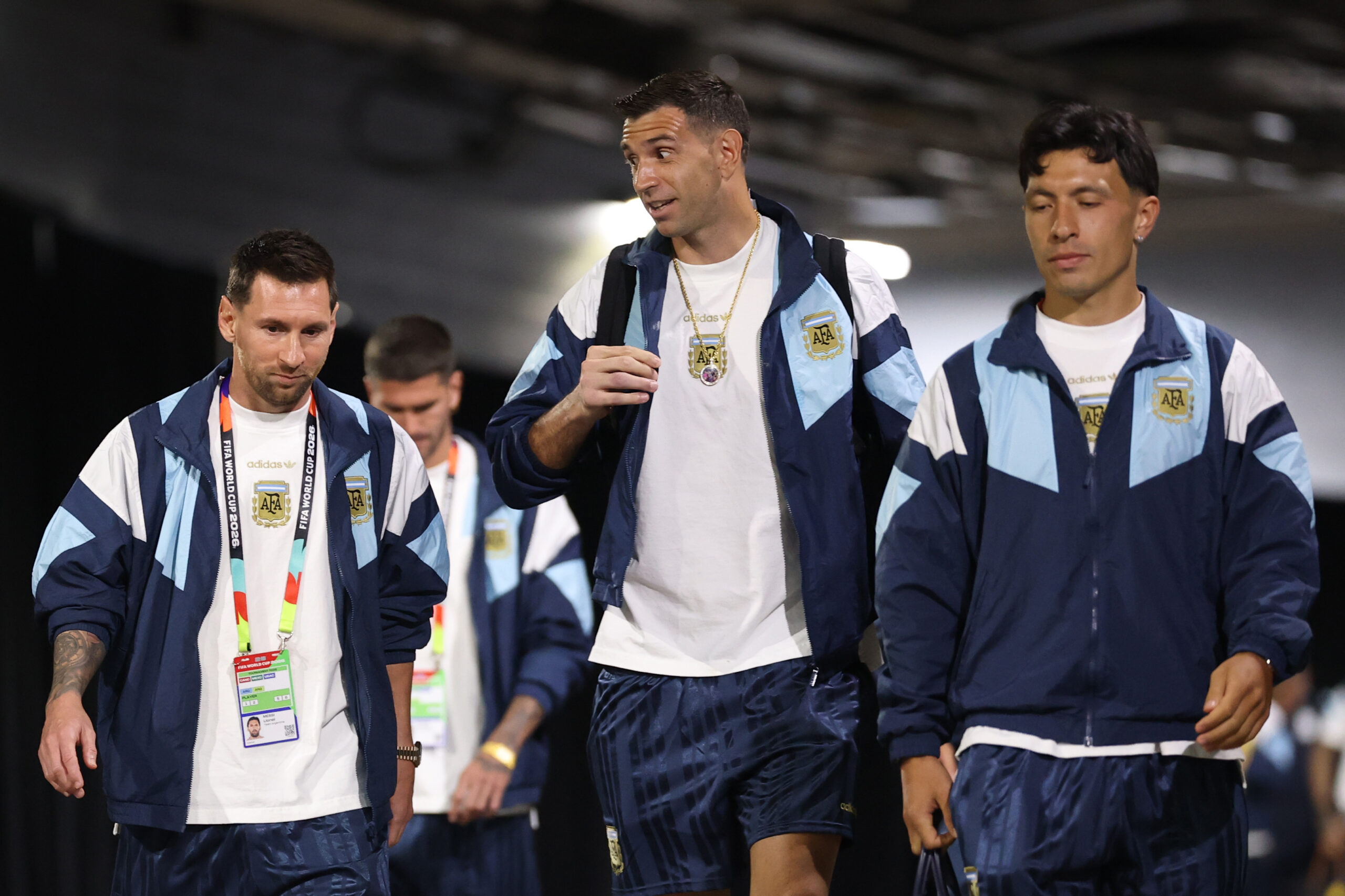
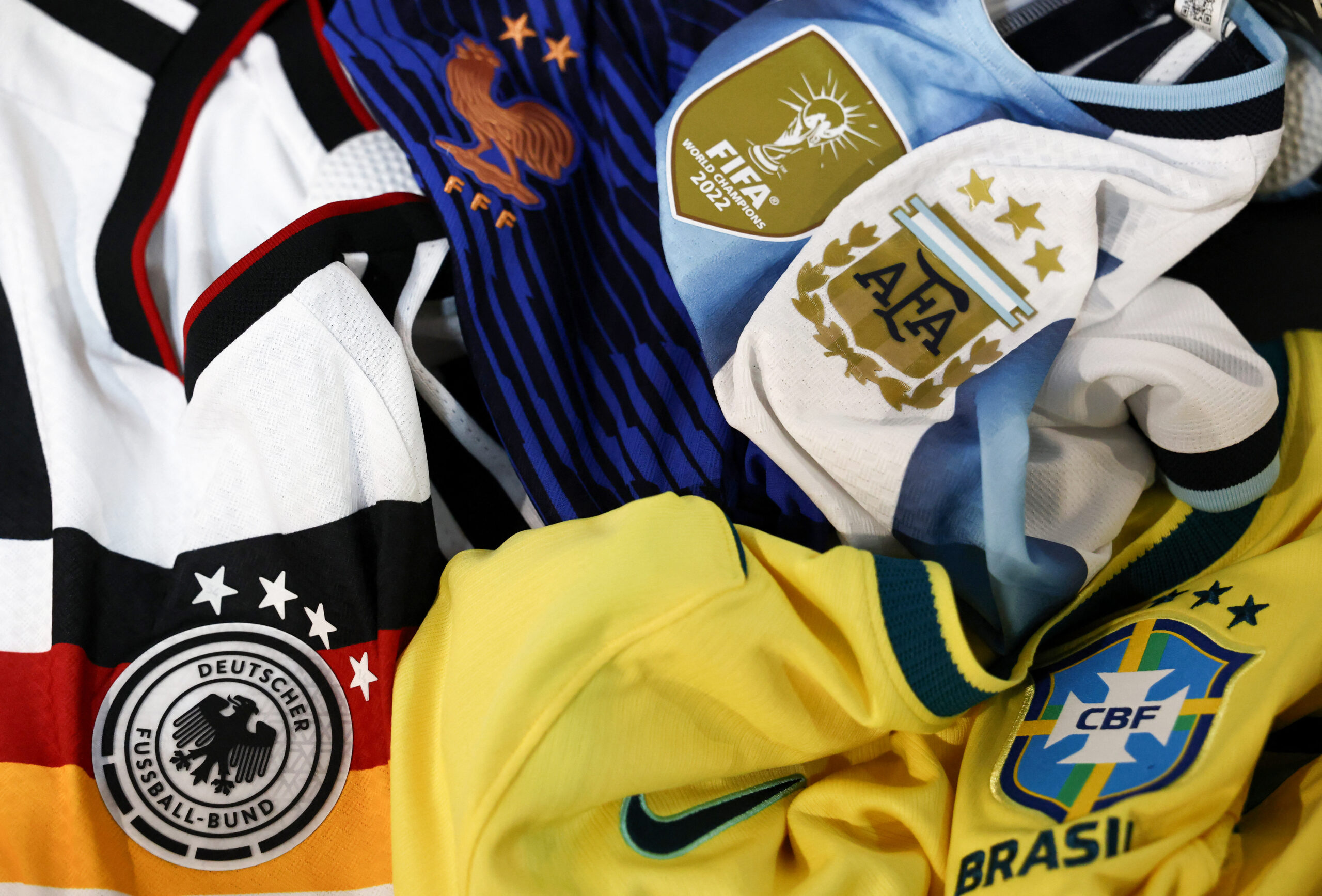
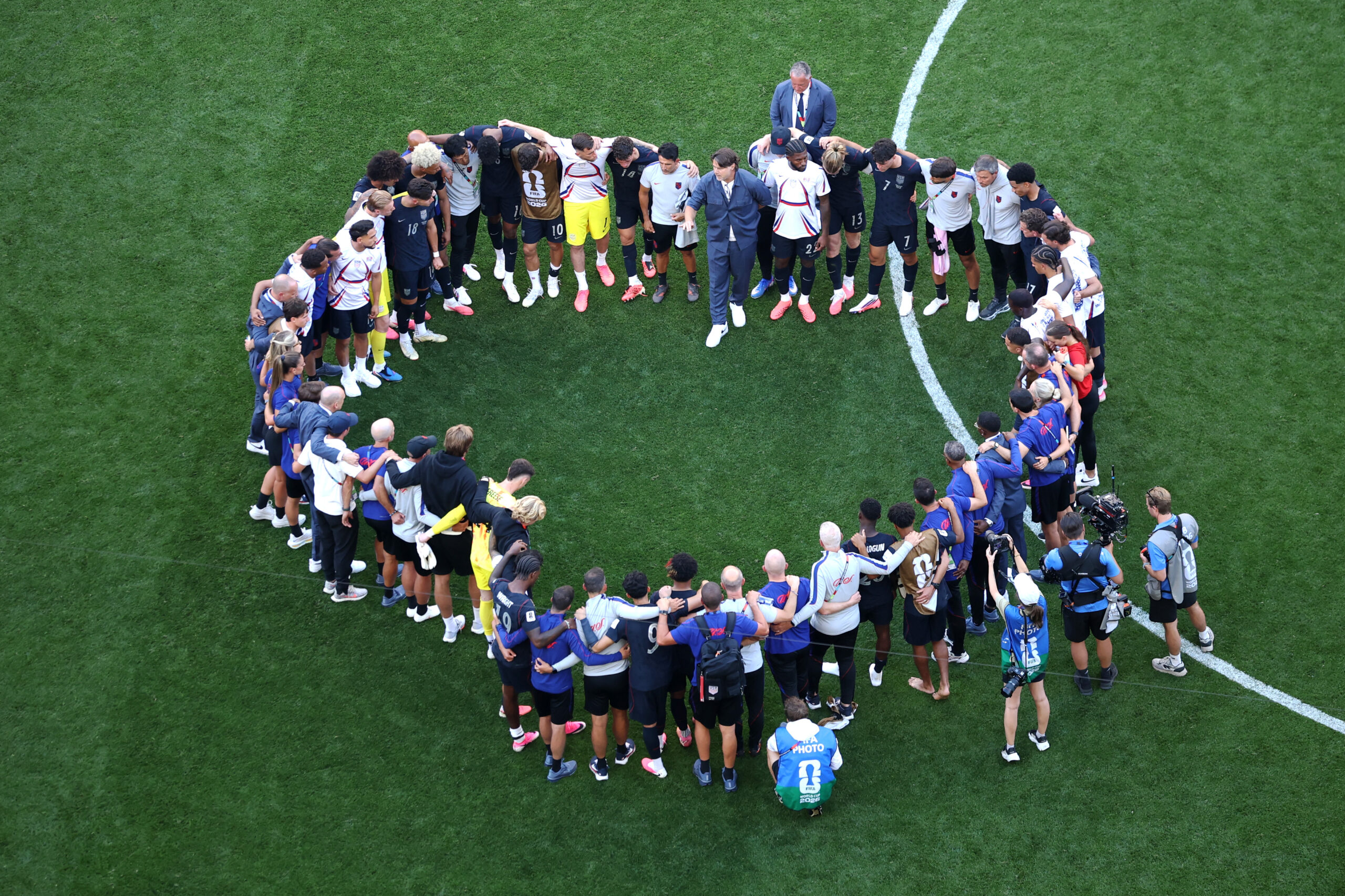
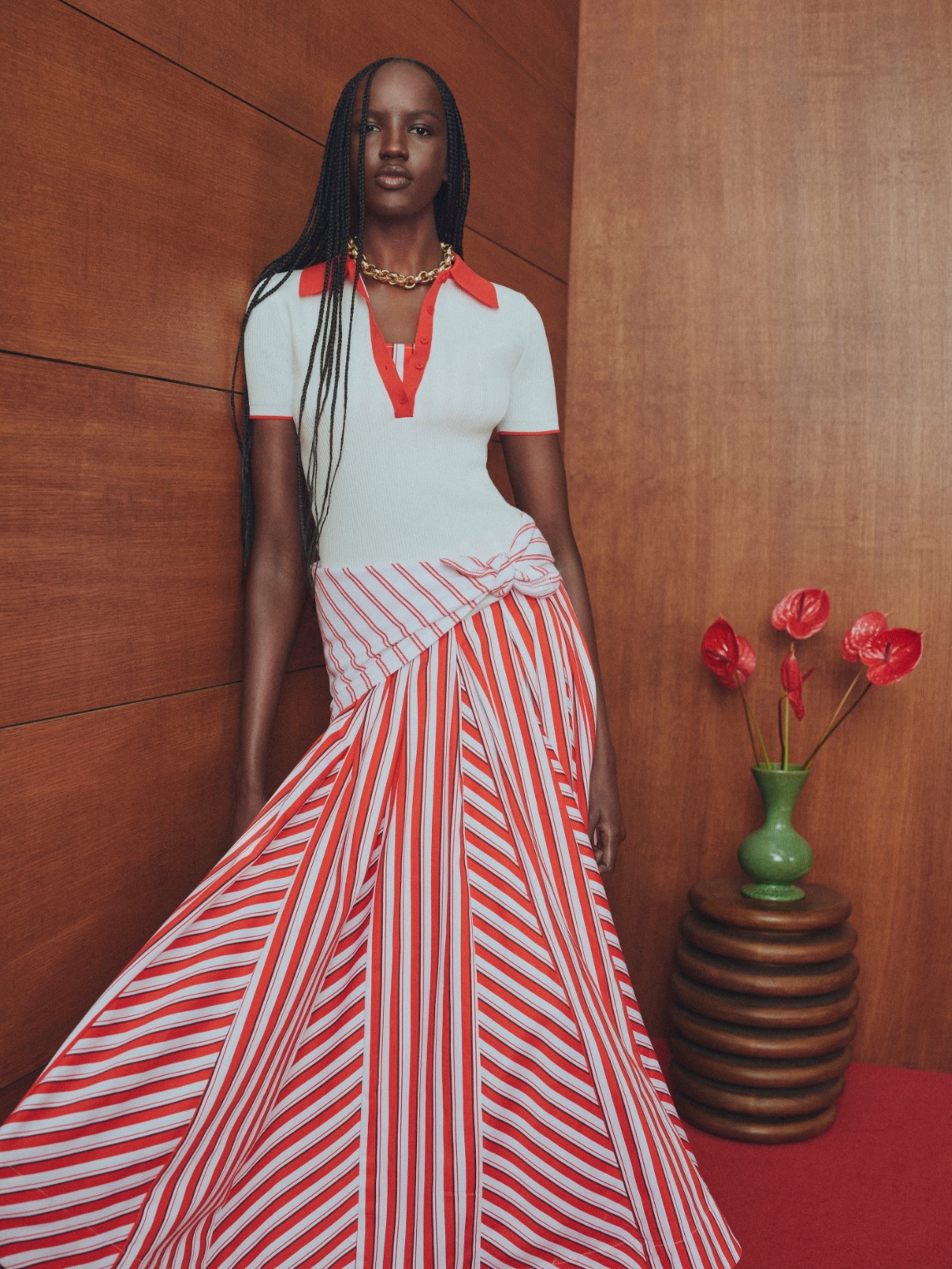
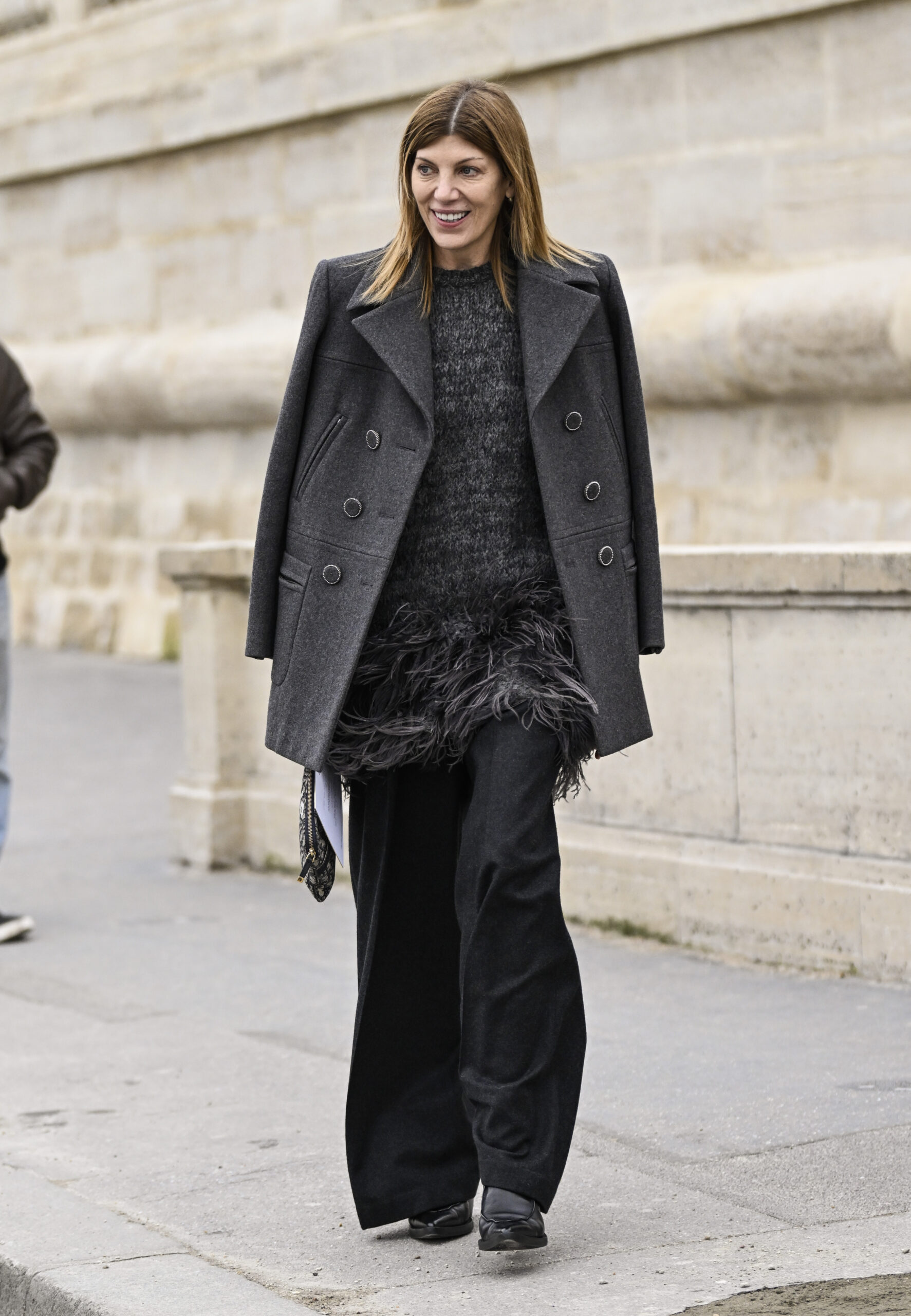
The World Cup was undoubtedly going to be about soccer. But this summer, it was what happened outside the sport that made the tournament unforgettable. From player arrivals and press conferences to fan zones and city streets, the global tournament turned clothing into a focal point of the spectacle.
What stood out this summer was how intentional the fashion felt. National teams weren’t simply traveling in standard tracksuits — they were showcasing cultural identity. Throughout the tournament, players, coaches, and fans moved through host cities in looks shaped by sportswear designers, luxury houses, and emerging talent. At times, the tournament looked less like a sporting event and more like a traveling fashion spectacle.
When the USMNT unveiled its flag-themed World Cup jersey, the symbolism ran much deeper than the fabric or the cut. It was about the pride of being an American while celebrating the nation’s 250th year.
Heading into this tournament, fashion culture was one of the least discussed storylines. Coverage focused primarily on the security and logistics with little spotlight on what the teams and players would be wearing. Once the tournament began, that gap closed fast. Hosting dozens of nations all at once turned the U.S. into a live exchange of style. In this way, international fans picked up on American style, while Americans were introduced to looks and design traditions they rarely encountered firsthand. What started as an afterthought became one of the tournament’s most visible storylines.
That shift extended beyond the pitch. U.S. Soccer quietly partnered with fashion designers in each of its host cities to build capsule collections that fused deep-rooted hometown identity with the national team’s story. It was proof that American design talent could shape how the country presented itself center stage to the world.
The 2026 World Cup left behind more than a champion — it left a blueprint. These tournaments should be treated as starting points, not one-offs, and fashion succeeded here because it wasn’t an afterthought bolted onto brand deals. It was a storytelling tool from the start, woven into jersey kits, host city collaborations, and the culture surrounding the games themselves.
As the United States looks toward LA28, this lesson should travel with it: don’t wait for fashion to happen organically — build it into the planning from day one.
For CFDA and the designers it represents, this is the moment. This isn’t a footnote to LA28 — it’s the reason people will remember it. Get this right, and LA28 won’t just crown a champion. It will define how the next generation remembers what America stood for on the world stage.
Samuel Hymes is a Washington, D.C.-based communications strategist specializing in global sport and the economics of major international events.