Skip to content
Industry Insights

What Designers Need To Know About Building A Future-Proof Brand

June 24, 2026

Vy Bui

The fashion industry is moving faster than ever before, driven by waves of new technologies, emerging AI startups, and evolving creator economies. But while much of the public conversation around tech centers on trend forecasting or retail metrics, the immediate reality for designers on the ground is far more complex.

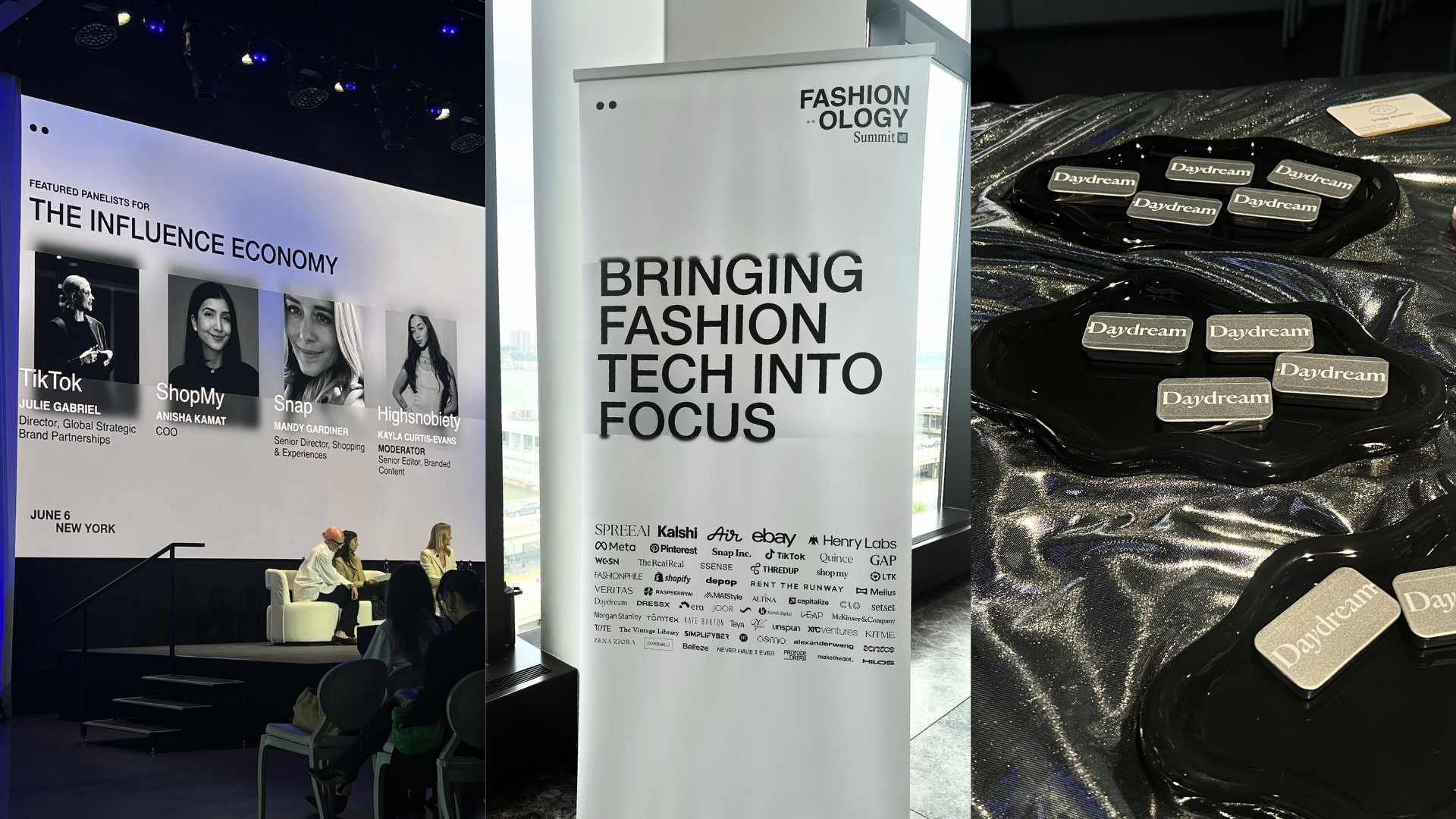
At the recent Fashionology Summit, held at The Glasshouse in Manhattan, a lineup of industry leaders – including executives from SSENSE, TikTok, Pinterest, eBay, Gap, WGSN, McKinsey & Company – gathered to unpack how this technological shift is fundamentally rewriting the laws of brand equity.

For independent designers, the takeaway from the summit’s panel rooms was clear: building a lasting brand in today’s landscape requires moving past the superficial “white noise” of the internet to protect a hyper-specific creative point of view. Building a brand has never been a one-person game, and creating a garment has always required more than just taste. For the first time in years, the dominant word fashion executives use to describe the current landscape is not “uncertain” but “challenging.”


The

The Current State of Creativity

While established brands struggle with restructuring and macroeconomic pressures, emerging designers face more immediate challenges around survival, artistic identity, and limited resources. The modern challenge is no longer finding trends, as any off-the-shelf algorithmic tool can surface them instantly. With over a third of fashion entities permanently automating their front-end discovery and layout copy, design cannot simply rely on generic aesthetic appeal.

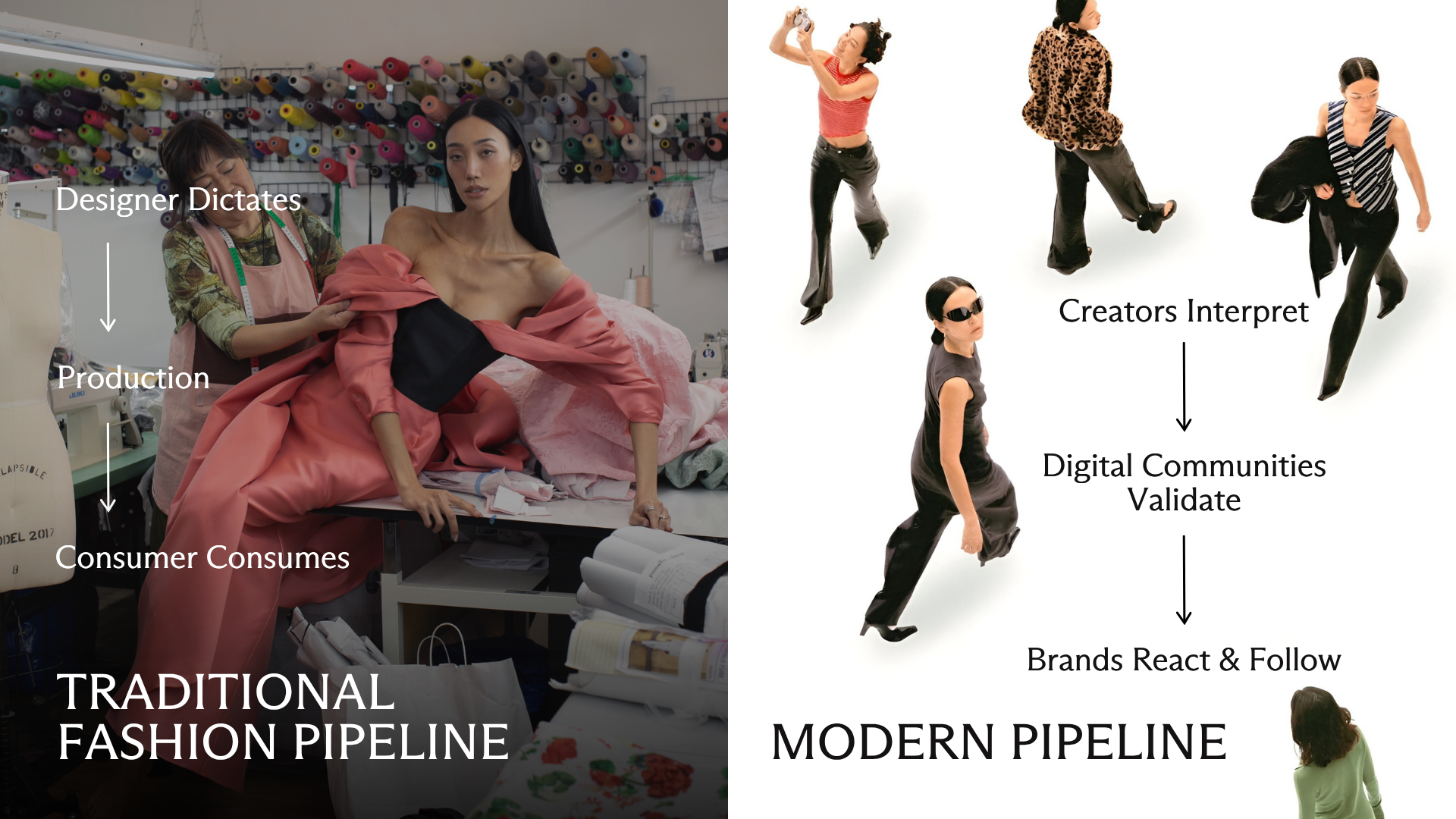
Operating in a hyper-compressed market, the true crisis is now a deep pressure to compromise a distinct cultural background, textile standard, or avant-garde vision to appease rapid wholesale cycles or viral internet noise. The creator economy has transformed the traditional workflow; platforms like LTK demonstrate that the historic top-down dynamic, where the designer dictates and the consumer adopts, is dead.

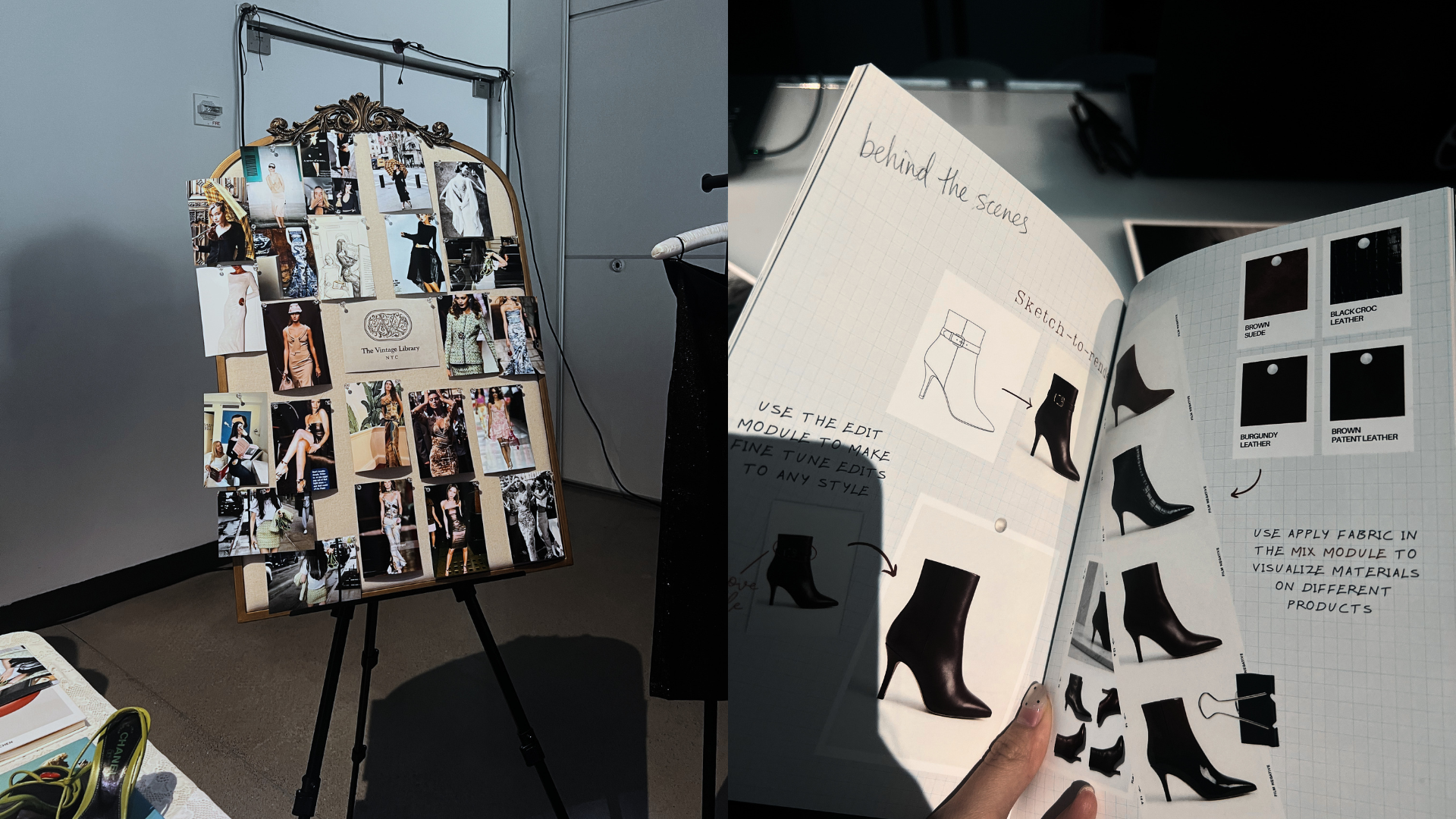
To survive, an independent label must treat its initial creative development as an act of resistance against this homogeneity, designing with an exact story of material value that validates its price point before a single sample is cut.

Designing

Designing For Micro-communities
The influencer marketing sector has matured into a $30+ billion industry, with over 85% of brands maintaining dedicated budgets for creator placement. For an active designer, however, the real shift lies in the collapse of the traditional linear marketing funnel. Historically, a piece was designed for a runway showcase, captured in an editorial lookbook, distributed through luxury department store buyers, and eventually discovered by a consumer.

Today, a single piece of content handles search, discovery, peer validation, and immediate transaction checkout. Media success is now detached from having the largest corporate budget or high-profile celebrity endorsements. It relies strictly on community-first entertainment, authenticity, and treating creators as strategic retail merchants.

Julie Gabriel, TikTok’s Director of Global Strategic Brand Partnerships, noted that while mass-market players scale effortlessly on social shopping frameworks, Ralph Lauren is one of the few luxury fashion houses establishing an active blueprint on TikTok Shop. On the other hand, the rise of alternative text and curation platforms like Substack has birthed a class of “tastemakers” who monetize purely through expert curation, as noted by ShopMy.

For independent designers who cannot compete with corporate ad spend, purchasing decisions are driven by the alignment between a creator and their audience. Small or private creators often outperform mega-influencers because their recommendations feel like peer-to-peer validation. 


AI

AI Integration and the Need for Distinct Brand Identity
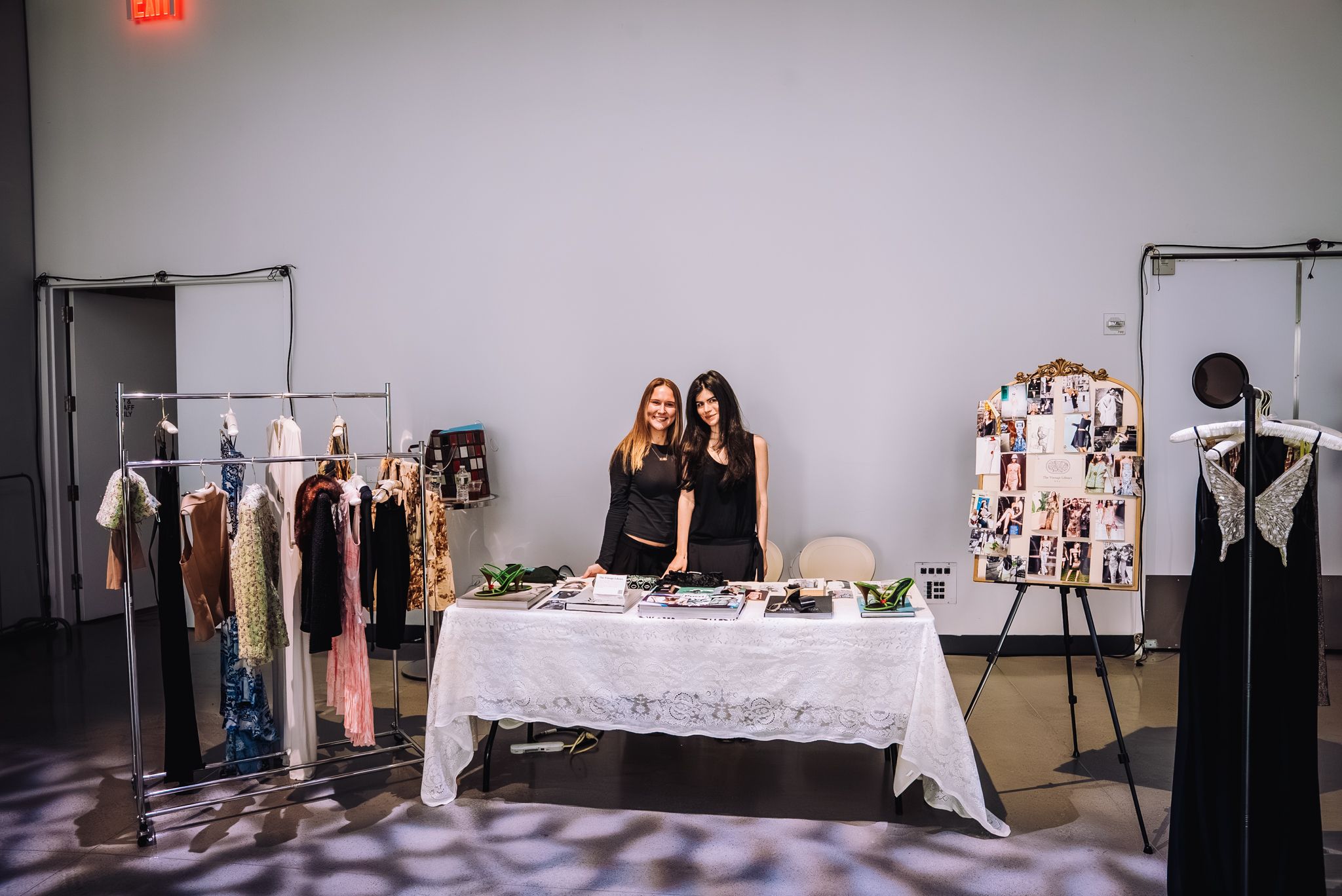
With McKinsey & Company projecting that $5 trillion in global commerce will flow through autonomous, agentic AI shoppers over the next 5 to 10 years, the backend metadata of a fashion collection has officially become a creative priority. Platforms like eBay are already deploying generative “magical listing tools” that automatically process images to generate descriptions, sizing data, and pricing recommendations for a million listings a day. Over 10 million users have interacted with eBay’s AI features, resulting in 1 million listings uploaded daily via the magical listing tool, as noted by Emily Wargo, eBay’s Director, U.S Fashion.

Retail giants like Gap Inc. are building scalable, AI-first data architectures. They are observing a major consumer shift away from passive browsing toward intent-based, natural language searches. Algorithms now rely heavily on distinct brand profiles. Thus, a brand must maintain a highly distinct, unwavering identity. If a brand’s perspective is diluted, AI models cannot accurately categorize or prioritize it on search results pages.

01 / 02

Credit: All Things Fashion Tech

The

The 80/20 Strategy: Protecting the Creative Perspective

To fight what the Fashionology Summit panelists described as “the friction of digital homogeneity,” creative directors must implement disciplined guardrails regarding how their physical garments are presented online. The quickest way for an emerging label to lose its cultural currency is to hyper-actively signal that it is trying to be trendy. Despite having tens of millions of customers and a massive Instagram footprint, many leaders strictly forbid their team from jumping on every viral trend or popular audio track.

Education first, Storytelling second, and Entertainment a distant third.

Dakota Kate Isaacs, Head of Brand Strategy & Narrative at Quince
Operationally, scaling a visual identity without diluting a brand’s signature requires a structural balance. Camille, Director of Marketing and Creative Operations at SSENSE, shared her strategy for scaling content based on their experience working with more than 1,000 distinct luxury labels: brands should maintain a consistent, recognizable visual identity for roughly 80% of their content while reserving 20% for reactive, trend-driven experimentation. This balance preserves brand recognition while allowing flexibility to engage with fast-moving social and cultural shifts.

Looking

Looking Ahead

The next decade will reward brands that can navigate complexity and longevity without losing clarity. Designing a collection is no longer just about drafting beautiful silhouettes; it is about engineering a responsive business system. Modern brand longevity also requires a rigorous cultural strategy – the ability to pivot production capacity toward real-time collective obsessions.

Consider the “Knicks Effect” that completely consumed New York City this month. Following the franchise’s historic NBA Championship victory, the city’s blue-and-orange palette evolved instantly from a live sports reference into a premium lifestyle aesthetic. 

Success will hinge on maintaining a distinct identity while embracing AI, creator-led commerce, and multimodal storytelling. The future of fashion will be defined by orchestration, curation, community building, and authenticity as much as by design itself.

Subscribe

Keep up-to-date with all the latest news from the Council of Fashion Designers of America.