Skip to content
Industry Insights

What Happens after the Applause

May 27, 2026

Kate Barton & Fiducia Ai
High

High Impact, Short Lifespan
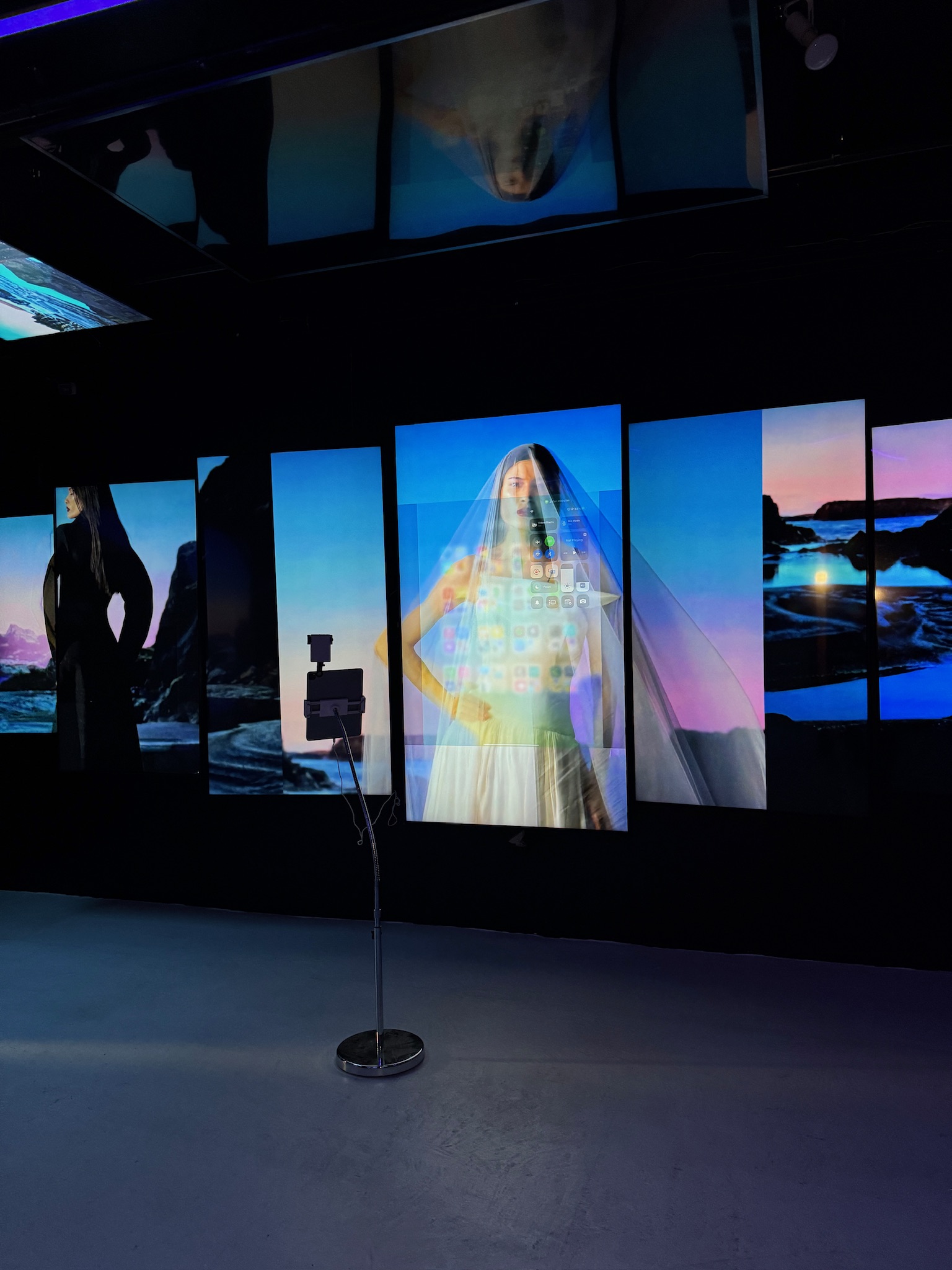
Runway presentations generate strong emotional resonance, press attention, and cultural relevance, but translating that momentum into sustained online engagement and purchase confidence remains a persistent challenge in fashion. Within traditional e‑commerce, highly engineered garments—defined by structure, line, and illusion—are still largely conveyed through static imagery and sizing charts, leaving critical aspects of fit, proportion, and movement open to interpretation. For Kate Barton, a New York–based designer brand known for sculptural, highly engineered garments, this gap often introduced hesitation into the purchase journey, where design intent depends heavily on how a piece looks and moves on the body.

At the same time, expectations for digital fashion experiences are shifting. Traditional product pages increasingly fell short for shoppers seeking clarity, while partners and sponsors looked for ways to extend engagement beyond a single moment. For Kate Barton, this meant finding a way to carry the substance of the runway—how the clothes actually look and move into a more participatory, commerce‑ready environment. Enabling customers to better visualize garments on their own bodies emerged as a natural next step, without forcing the experience to be justified solely through immediate sales metrics or compromising the brand’s design integrity.

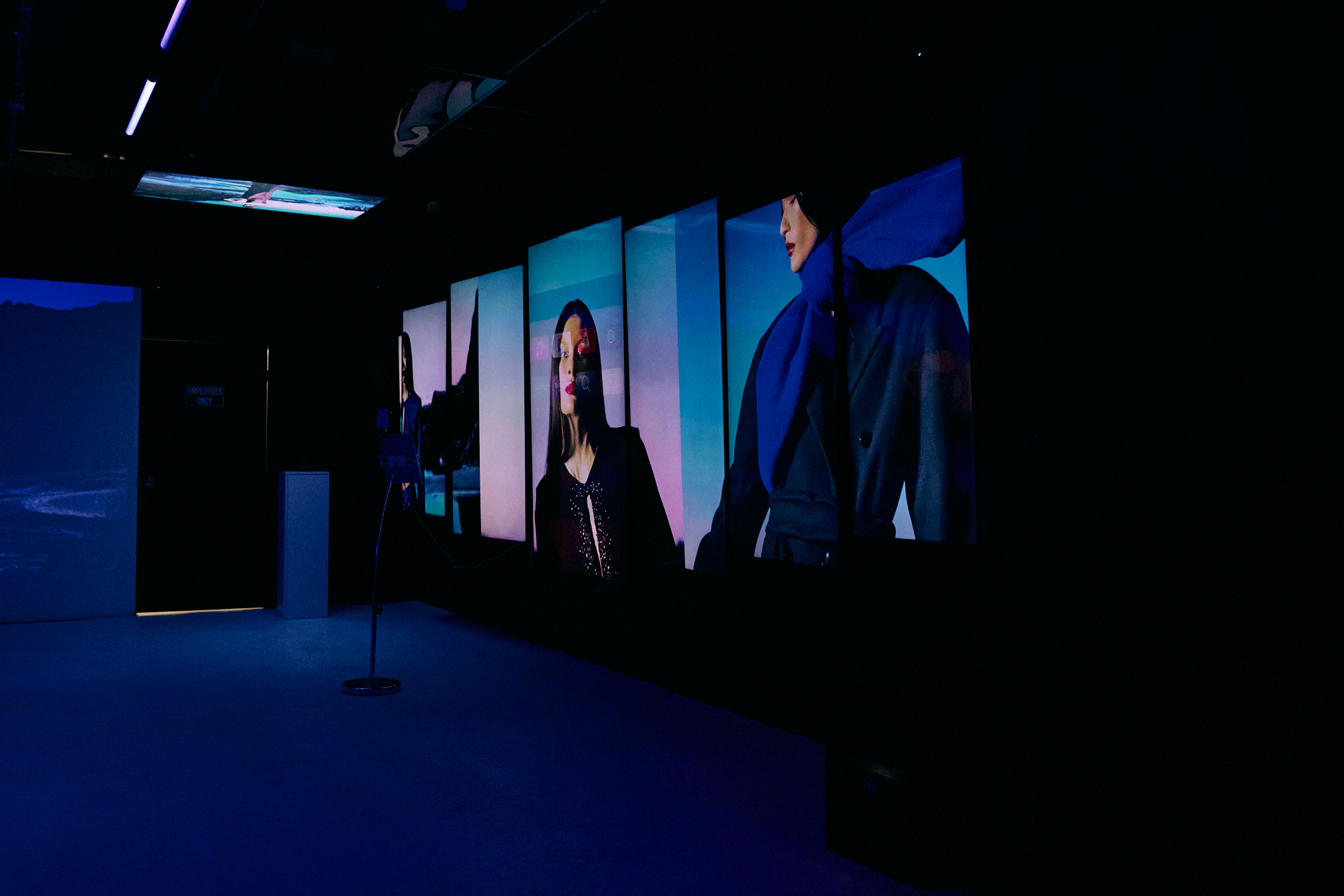
A New York Fashion Week activation marked the first real‑world deployment of this approach, making the fashion presentation the initial format for a system intended to extend into e‑commerce. Delivering a credible virtual try‑on experience required realistic visual outputs, low‑latency performance, and seamless cross‑device access, alongside visual recognition with voice‑ and text‑based interaction in nearly any language, in a live setting. These requirements exceeded what could be supported through existing in‑house tools alone, leading Kate Barton to partner with Fiducia AI, a company focused on building production‑grade AI experiences for visual and conversational engagement, and IBM to build a solution.

Today, tech is a tool for expanding the world around the clothes—how they are presented, how people enter the story, and how we create that moment when your eyes do a double take.

Kate Barton, Founder and Creative Director at KATE BARTON

Engineering

Engineering For More Than The Moment
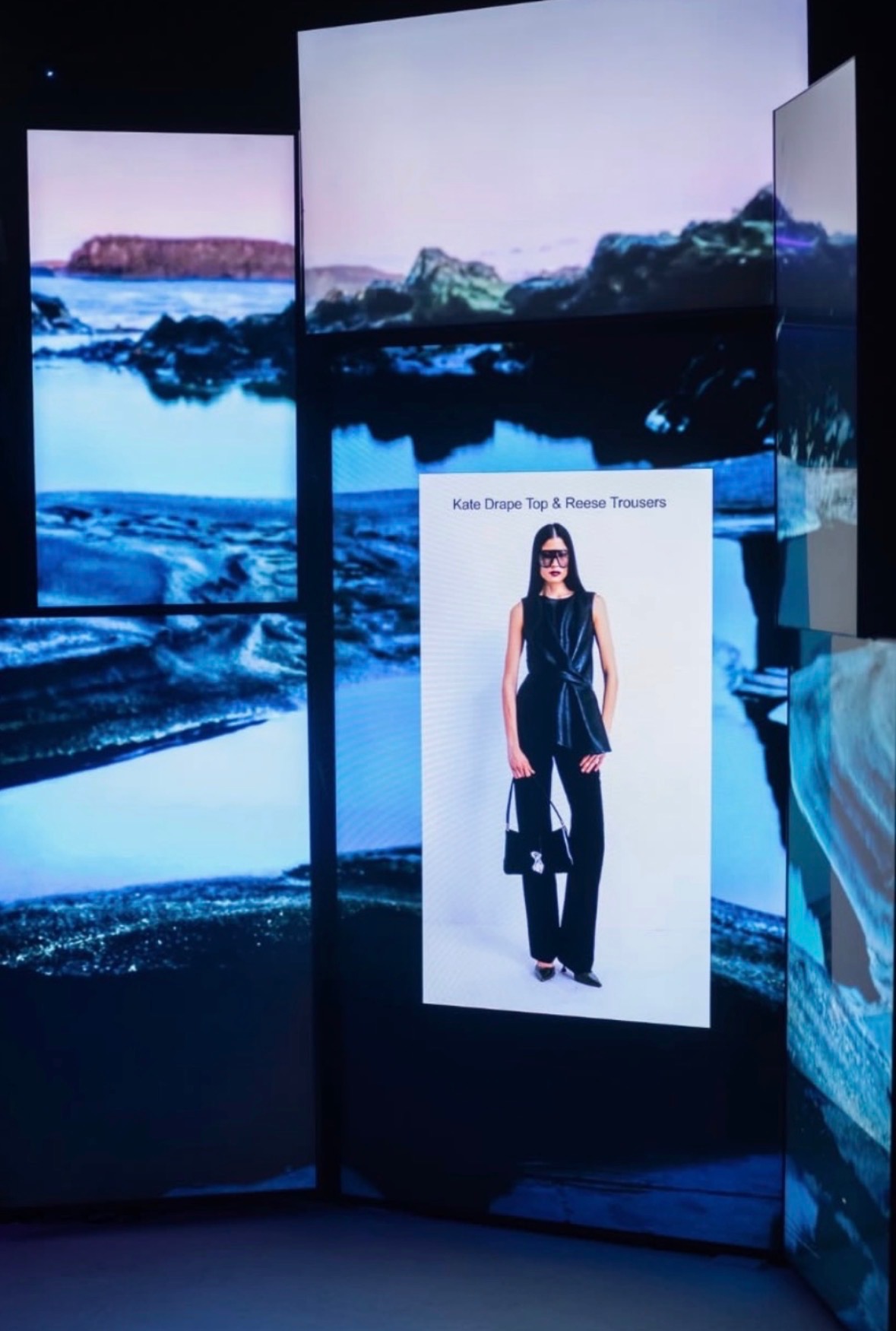
Kate Barton, Fiducia AI, and IBM collaborated to create an AI‑powered experience designed as a durable layer across live presentation and digital commerce, rather than a one‑off activation. While the experience debuted during New York Fashion Week, it was intentionally architected to transition into an always‑on e‑commerce environment. The system needed to support real‑time interaction in a high‑visibility setting while remaining stable, secure, and scalable once embedded into the brand’s primary sales channel.

Fiducia AI led orchestration and application development, with IBM providing the enterprise foundation for enabling the technology platform, reliability and governance. Deployed on IBM® Cloud® and built on IBM watsonx.ai®, the solution used a multi‑model approach to support different functions within the experience—combining structured workflows powered by IBM Granite®, visual processing supported by Llama, and conversational interaction enabled through OpenAI models. These components were coordinated through Watsonx’s Model Gateway services to balance performance, user experience, and governance, while IBM Cloud services, including IBM Cloud Object Storage, supported the management and delivery of visual assets across both live and digital contexts.

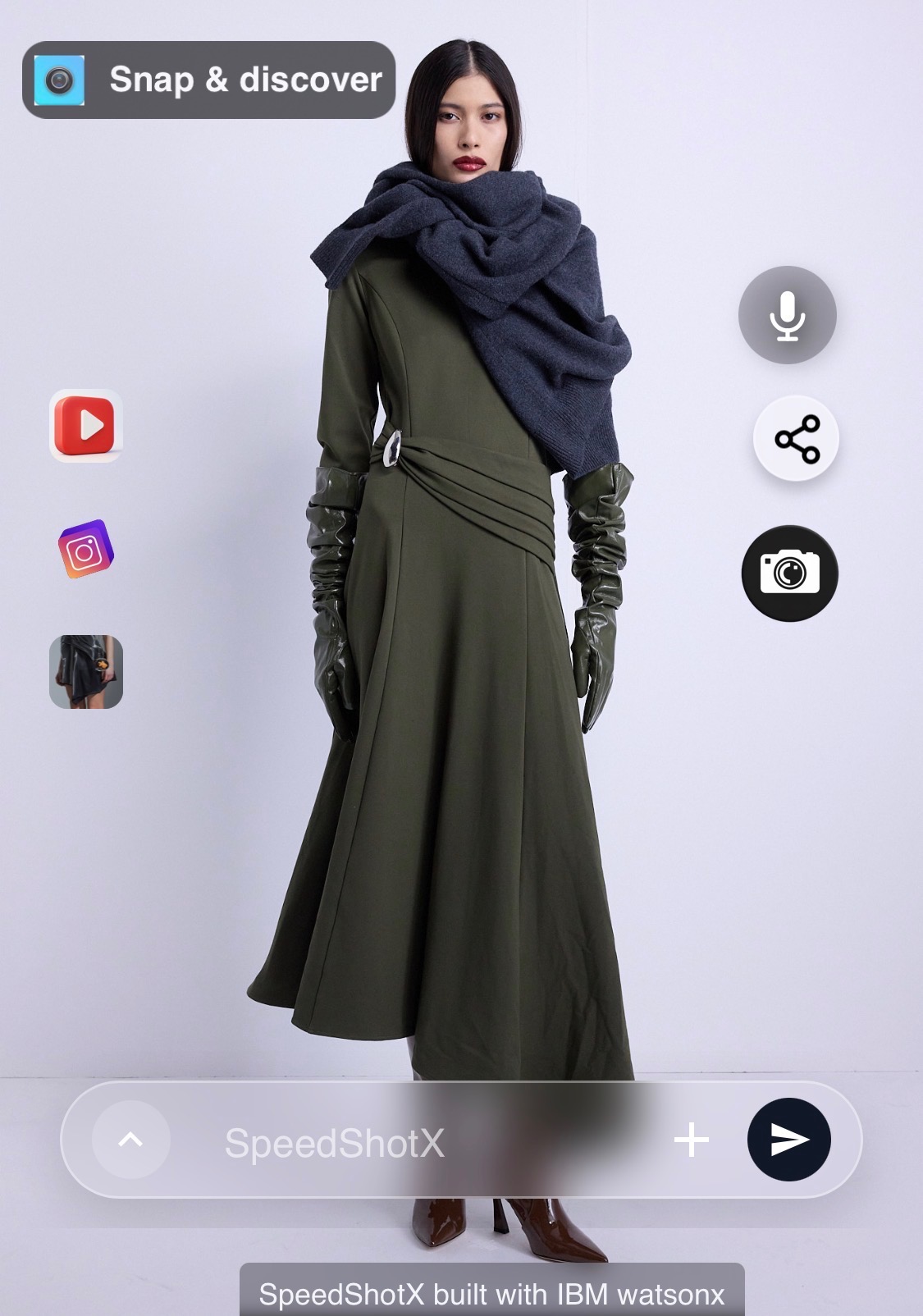
The initial SaaS platform was developed on IBM Cloud over roughly four weeks, establishing a foundation designed to support broad, multi-format customer engagement. To power the Kate Barton experience, both the New York Fashion Week presentation and ongoing commerce were configured and deployed in just 5 days. Once the live presentation concluded, the same architecture allowed the experience to be extended into Kate Barton’s Shopify storefront in approximately two days, with minimal rework. SpeedShotX, Fiducia’s Visual AI Lens, was integrated directly into select product pages, enabling customers to access browser‑based virtual try‑on without an app download. This implementation allowed the experience to move from a live fashion‑week environment into ongoing e‑commerce without rework, preserving brand continuity while supporting a more intelligent customer interaction layer.

01 / 03

Today, technology expands the world around the clothes—but the real work is in the orchestration—bringing together watsonx and dozens of underlying technologies into a seamless experience people can actually engage with. Partnering with IBM made that orchestration more accessible and scalable—and enabled us to deploy it in days. It’s an approach that can extend beyond fashion to any retail brand, and even into sports.

Ganesh Harinath, Founder and CEO at Fiducia AI, Inc.
A

A System Designed To Stay

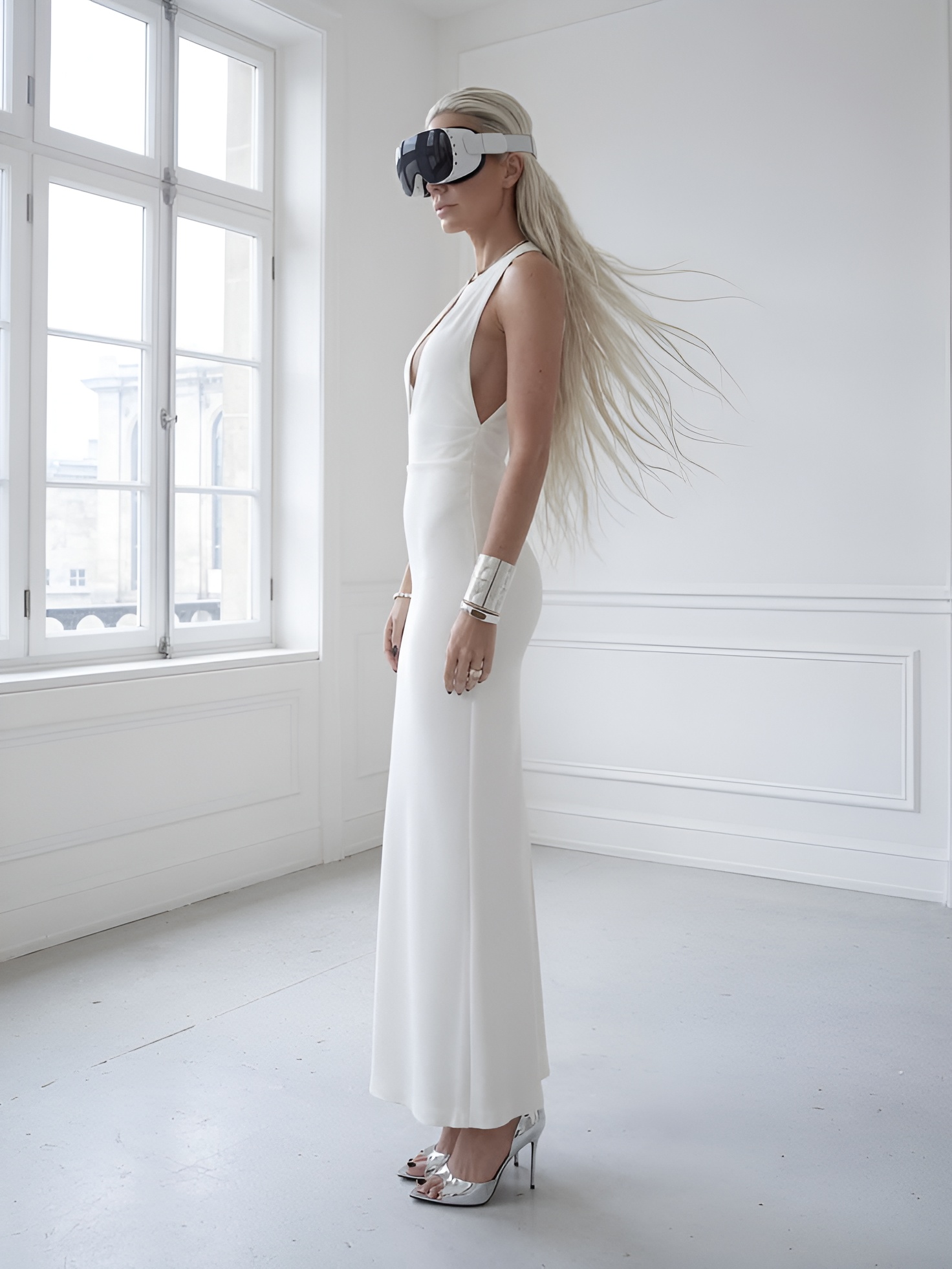
A central outcome of the project has been the shift from a time‑bound activation to a functioning commerce capability. What debuted as a New York Fashion Week experience is now live within Kate Barton’s digital storefront, allowing customers to engage with the same core system beyond the New York Fashion Week presentation shift from event‑based interaction to ongoing availability marked a move from presentation to infrastructure, establishing a foundation that could support continued use rather than ending with the show. Few fashion‑week activations make the transition into everyday commerce; in this case, the experience continued beyond the show.

Early engagement signals reflect how customers are interacting with the experience in practice. Since mid‑February, more than 2,500 users have engaged with the virtual try‑on capability, with customers spending time exploring try‑on‑enabled product pages to better understand fit and silhouette before purchase. While full commercial impact is still being evaluated, these interactions indicate meaningful customer interest and a willingness to engage more deeply with complex garments in a digital context.

From a brand perspective, the collaboration demonstrates how advanced AI can be applied without diluting creative authorship. The experience supports the design language of the collection by making structure, proportion, and movement more legible online, reducing reliance on interpretation or explanation. The experience also supports multilingual discovery, answering questions about the brand and collection in any language through text and voice‑based interactions across live and digital contexts. As a result of this deployment, Kate Barton has established a repeatable digital layer that can evolve over time, providing a more immersive shopping experience for customers and a platform for continued learning as the capability continues to scale.

ABOUT KATE BARTON

The Kate Barton brand, helmed by New York-based fashion designer of the same recognized by Forbes in its 30 Under 30 list in 2025, is known for sculptural womenswear rooted in experimental, process‑driven design. Drawing on shape‑engineering and avant‑garde draping, the label balances craftsmanship, innovation, and sustainability. Her designs have been worn by prominent cultural figures in high-profile appearances and media contexts.

ABOUT FIDUCIA AI

Fiducia AI is an IBM Business Partner that builds global-scale, enterprise-grade AI experiences combining visual intelligence and conversational interaction. Partnering with brands and sports organizations, it transforms storytelling and engagement into durable digital systems that operate seamlessly across live experiences, commerce, and digital marketing.

Subscribe

Keep up-to-date with all the latest news from the Council of Fashion Designers of America.