Skip to content
Audrey Hepburn
Carolyn Bessette
Diana Ross
Jacqueline Kennedy
Katherine Hepburn
Madonna
Opinion

The Women Who Influenced the Worldview of American Style: A Tribute

March 23, 2026

Rosemary Feitelberg
Which women have truly defined the worldview of American style?

That question guarantees a winless debate. Designers, actors, musicians, socialites and political figures have all done their part – for better or worse. But in honor of International Women’s Month, why not spark some debate?

With the U.S. Census Bureau’s Population Clock at 342.39 million, fashion is as varied as all the people who live here.

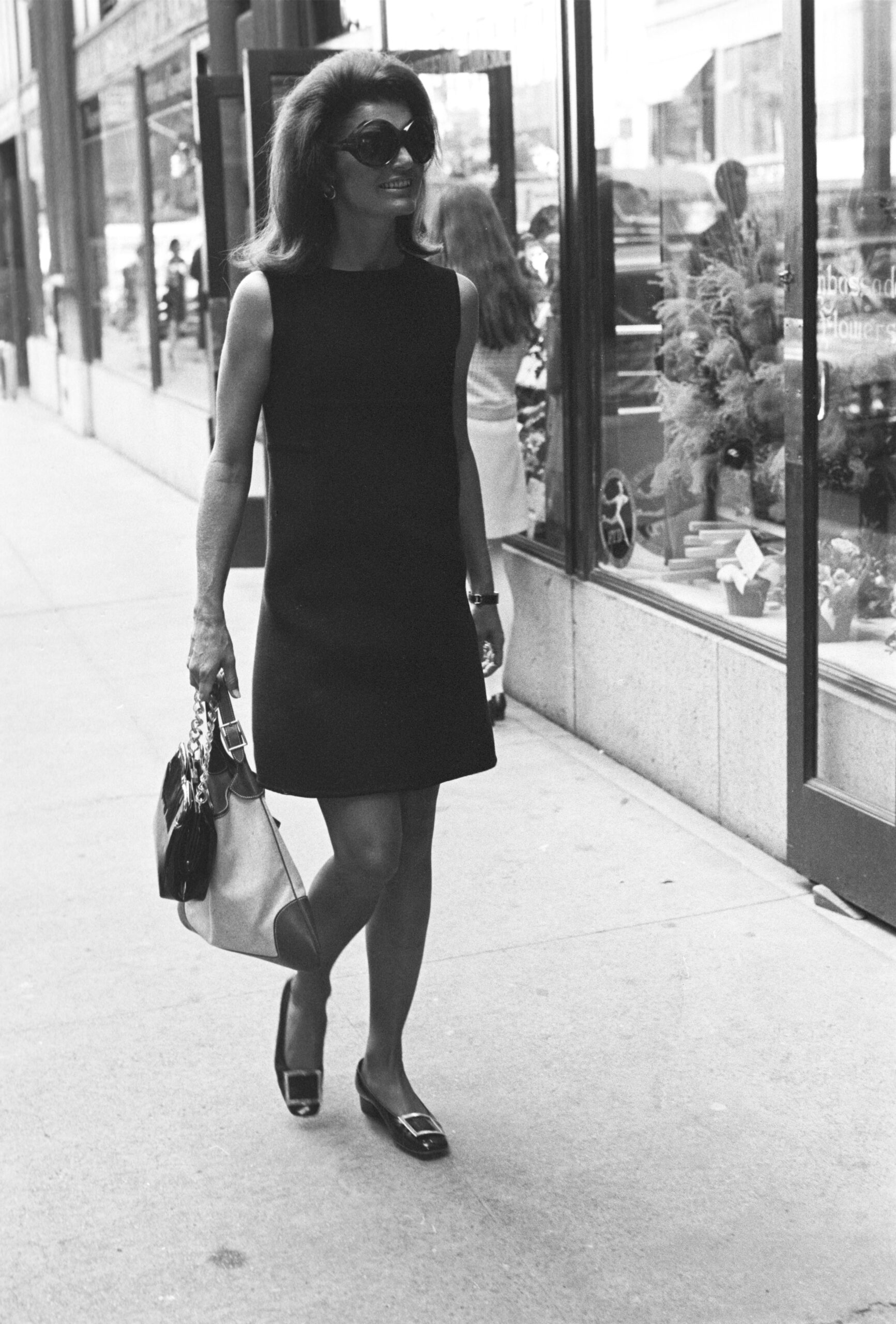
With her oversized sunglasses, A-line dresses and monochromatic shifts, the late Jackie Kennedy is always a crowd favorite. Comfort was said to be a starting point for the designs that the former First Lady wore during her White House years. And the public’s current fascination with the late Carolyn Bessette Kennedy’s minimalistic chicness and relaxed street style are other signs of the power of enduring style.

Jacqueline Kennedy Onassis in a short simple black dress and sunglasses in New York City, 1968. (Photo by Sal Traina/WWD/Penske Media via Getty Images)
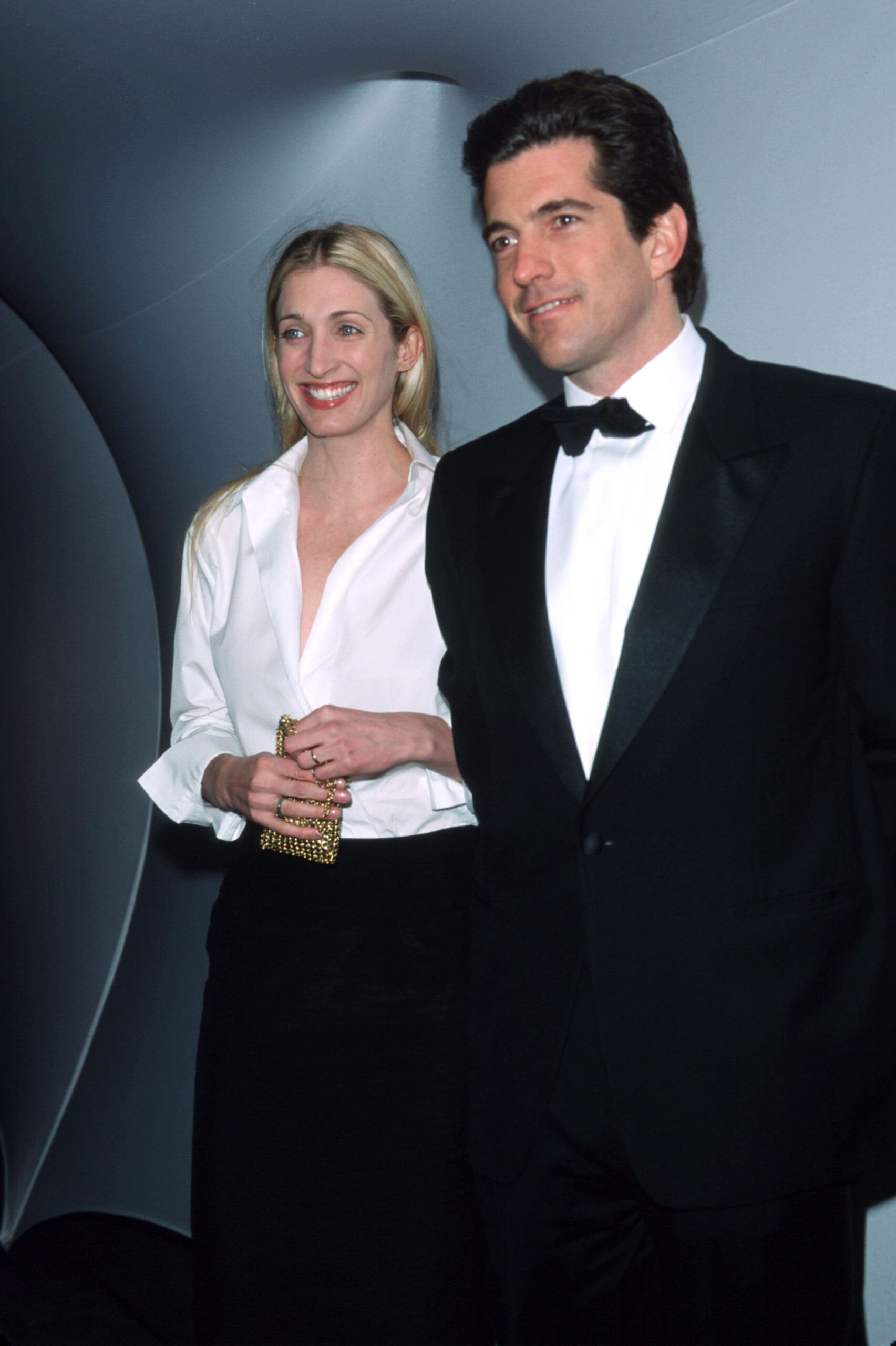
Carolyn Bessette and husband John F. Kennedy at the Whitney Museum of American Art’s fundraising in New York City, 1999. (Photo by Evan Agostini/Liaison)
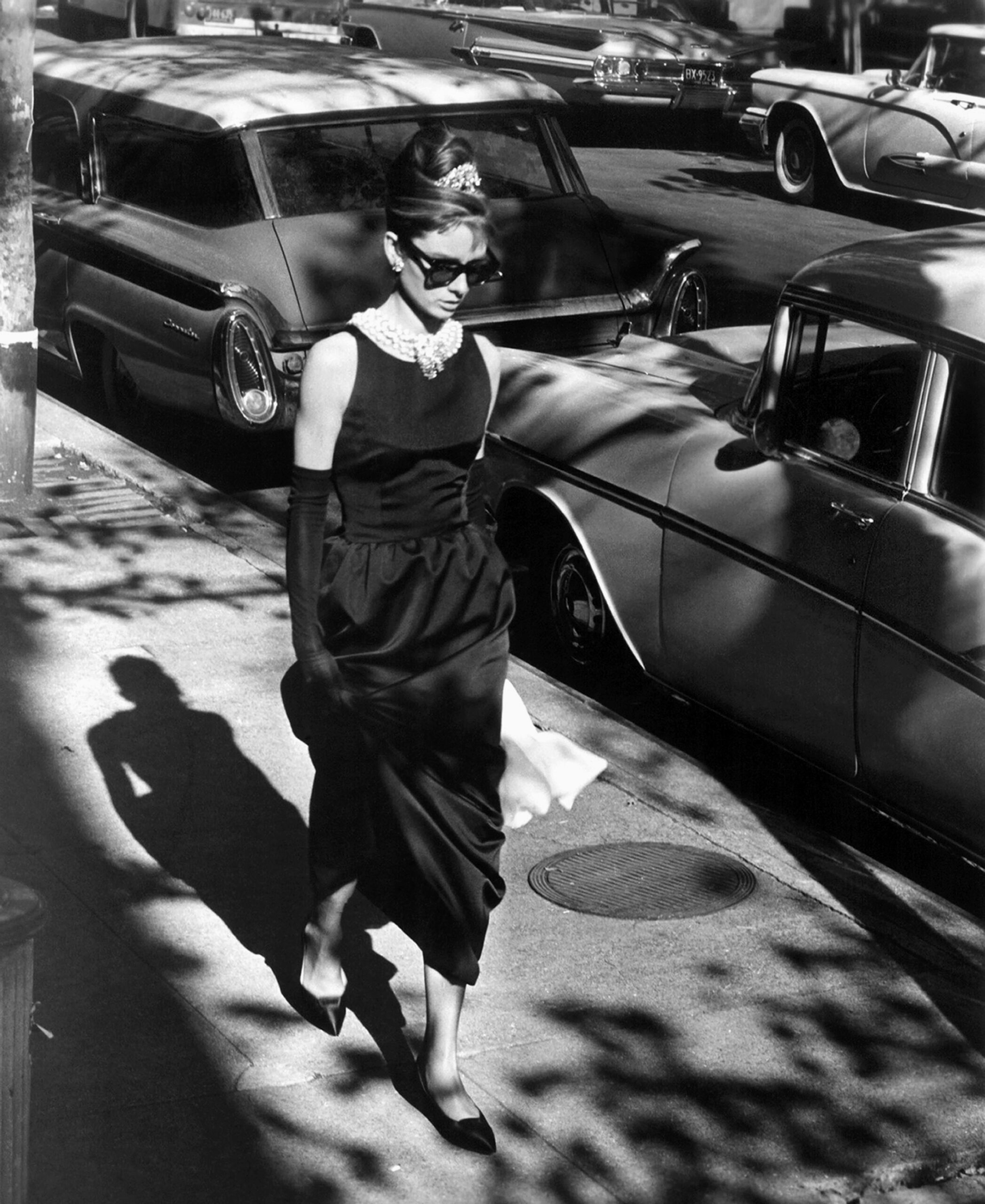
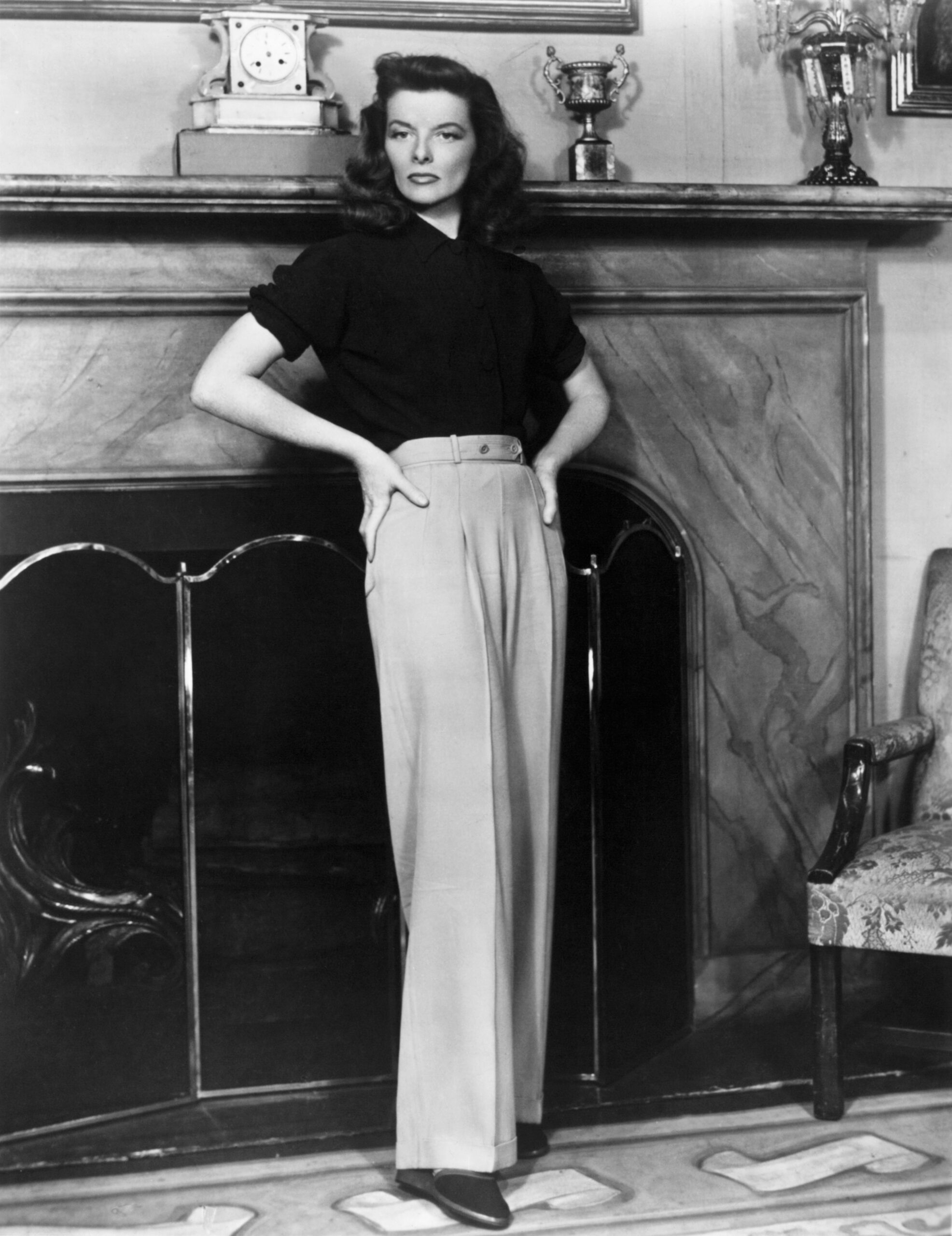
Audrey Hepburn popularized the Little Black Dress by wearing a Hubert de Givenchy-designed one in the opening scene of the 1961 film “Breakfast at Tiffany’s.” Another actress, Katharine Hepburn, helped to make women wearing pants more acceptable by wearing them on and off movie sets in the 1930s. Even when studio staff once asked her to try to break the habit, the Oscar winner reportedly walked around in her silk underwear until they relented.


Katharine Hepburn in the stage version of “The Philadelphia Story,” 1930s.
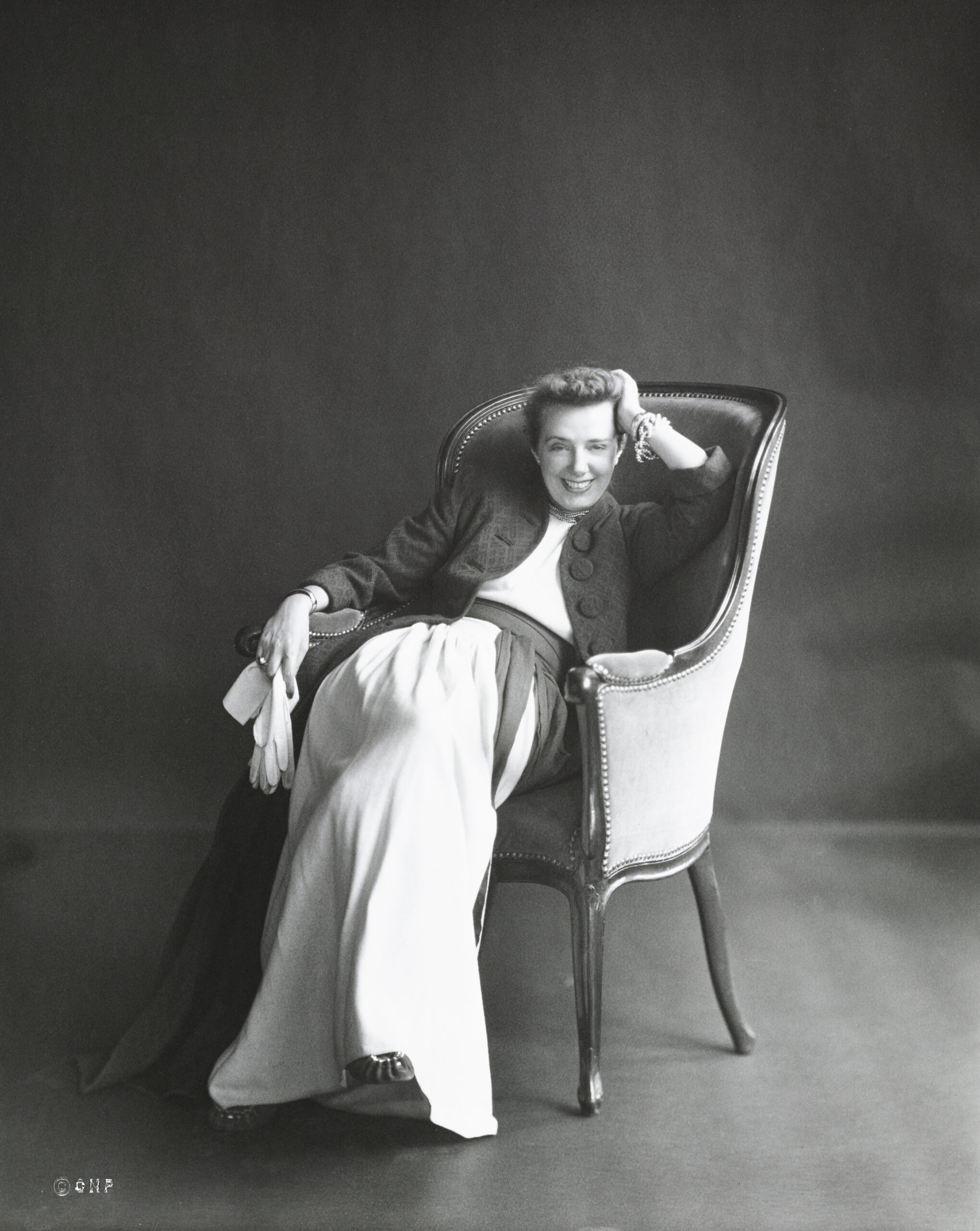
Designer Claire McCardell, who is credited with creating the “American Look,” was also on board with menswear-inspired looks (main picture). The New York-based designer brought everyday ballet flats, strapless swimsuits, hooded jackets, mix-and-match separates, backless summer dresses, denim, shirt dresses and the monastic dress – a one-size-fits-all design – that flatters all body shapes to the masses. In the 1940s, McCardell designed garments with pockets even in gowns to stash lipsticks or hands (to relay an effortless confidence, which some Fall 2026 runway models recently proved at Tory Burch and other shows.)

McCardell also redefined American style by insisting that her name was featured on a label – the first designer, male or female, to do so in the 1940s. Bonnie Cashin advocated for modern ready-to-wear that resonated with freethinking women.

Pauline Trigère also challenged industry standards, by being the first Seventh Avenue designer to hire an African American model, Beverly Valdes, for her shows in 1961. She also served as a founding member of the CFDA.

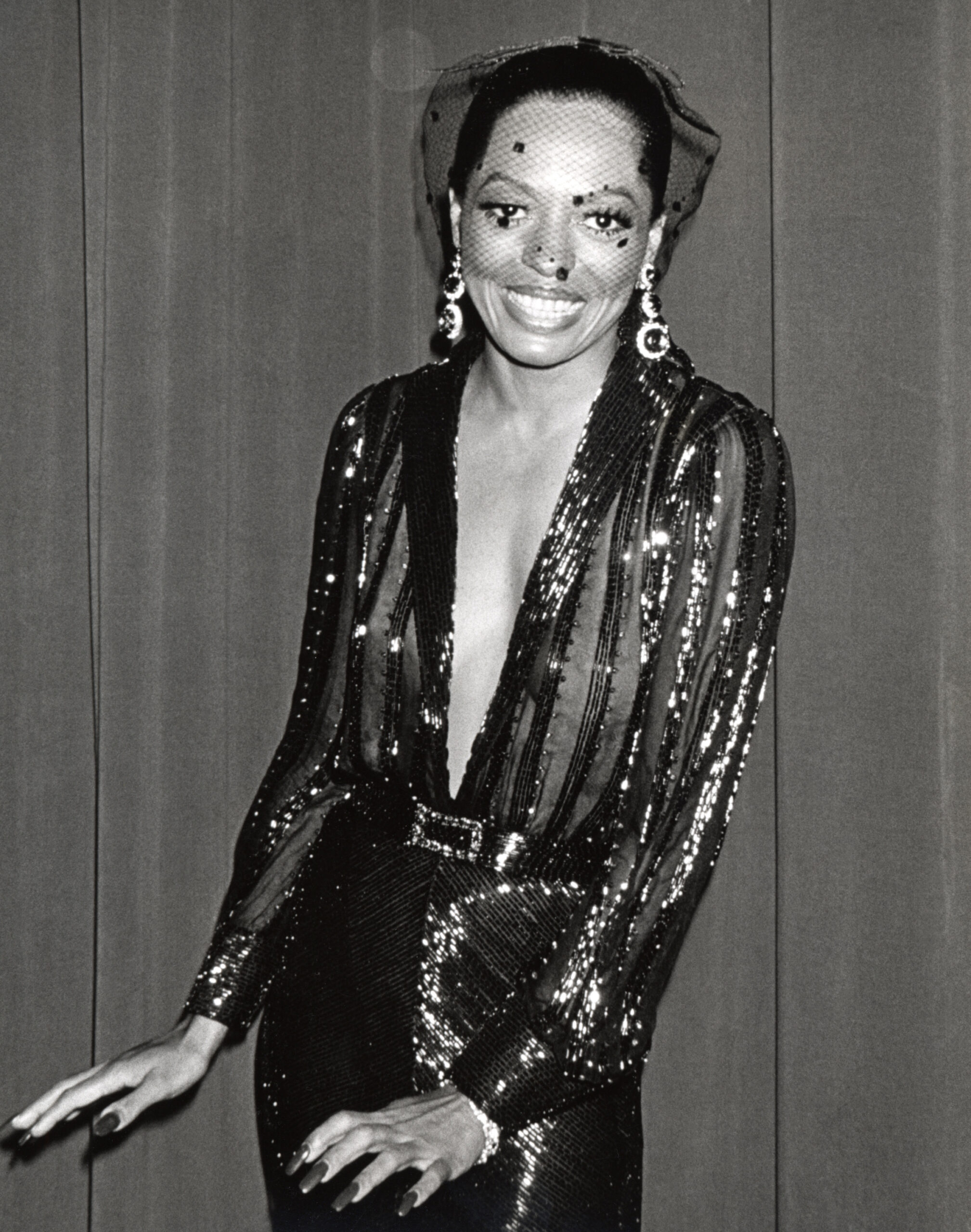
As the lead singer of The Supremes and later in her solo career, Diana Ross’ sequins and stardom elevated American glamour. Before millions started copying Beyonce’s and Rihanna’s on-stage and off-hours style, Ross showed off unmatchable style with such bold choices as a Bob Mackie-designed rhinestone-encrusted fishnet catsuit.

Another Mackie fan, Cher, helped to mainstream ultra-sheer styles, cut-out designs and barely there dressing – variations of which still exist today.

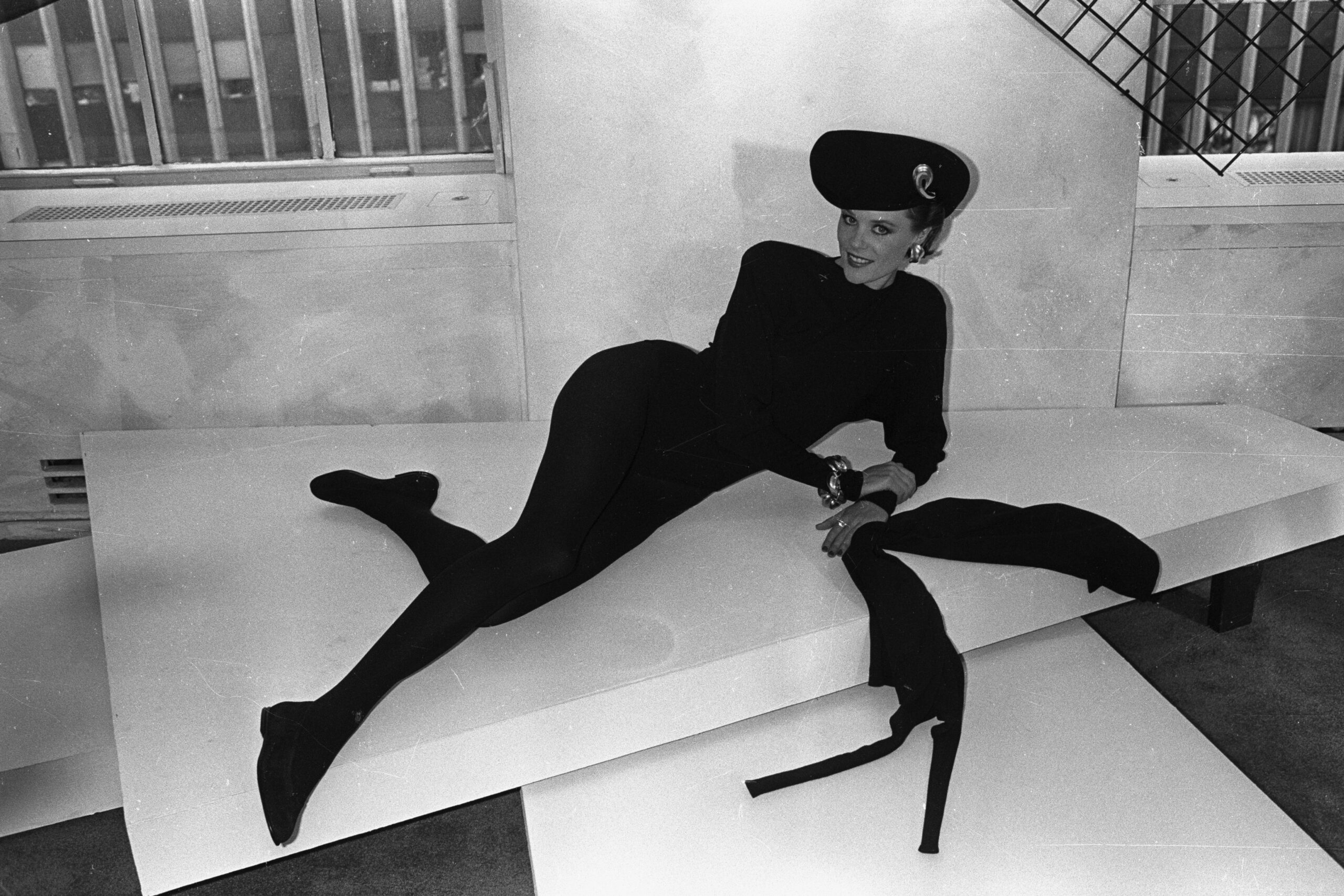
Decades before yoga pants helped Lululemon become a $11.1 billion brand, the actress Jane Fonda spawned a fitness craze and activewear, by releasing a workout video that featured her wearing a leotard and legwarmers in 1982. Three years later, a bodysuit was one of designer Donna Karan’s Seven East Pieces, an interchangeable and understandable collection.

Model on the runway of the Donna Karan fall 1985 Seven Easy Pieces collection, 1985 (Photo by Thomas Iannaccone/George Chinsee/Penske Media via Getty Images)
While Levi Strauss & Co. debuted Lady Levi’s in 1934, and Marilyn Monroe famously wore them in “The Misfits” in 1961, Gloria Vanderbilt introduced women’s designer jeans in the 1970s.

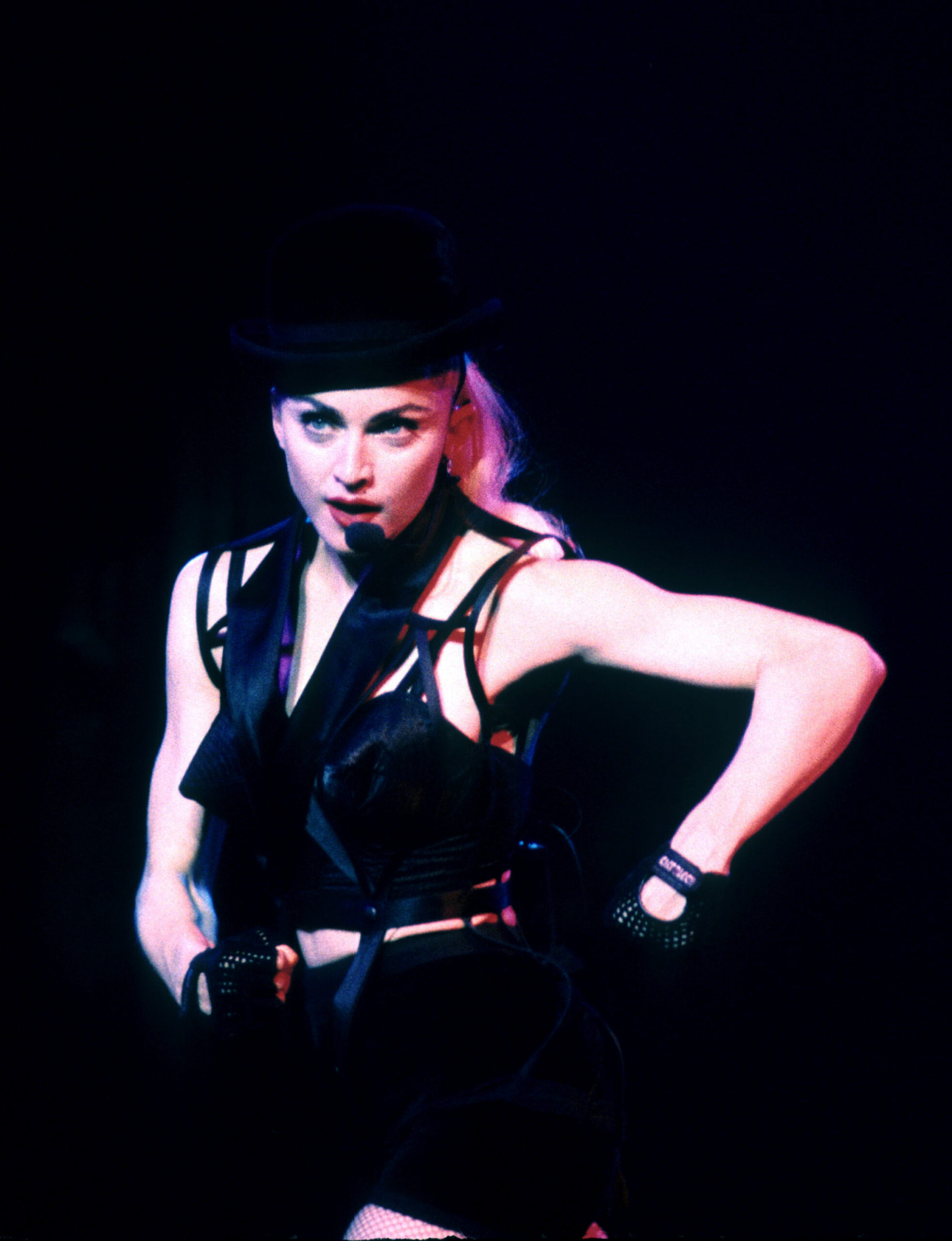
Madonna has had many incarnations fashion-wise, but her underwear as outerwear look still can be seen today.

Madonna performing during her Blond Ambition tour, 1990 (Photo by Kevin Mazur Archive/WireImage).

The fashion designer Vera Wang singlehandedly revolutionized the wedding dress industry, by creating modern and directional styles for brides.

In terms of getting people interested in fashion, Condé Nast’s chief content officer and Vogue’s global editorial director Anna Wintour has embraced the global fascination with fashion in the pages of the magazine, and at The Metropolitan Museum of Art’s annual Met Gala, which she has co-chaired since 1995.

This May’s release of “The Devil Wears Prada 2” will surely help brighten the spotlight on American fashion.


Main image: Fashion designer Claire McCardell smiling with her hand on her head, seated on an armchair in a studio. (Photo by Richard Rutledge/Condé Nast via Getty Images)
International Women's History Month

Subscribe

Keep up-to-date with all the latest news from the Council of Fashion Designers of America.