The way we discover fashion and connect with audiences is constantly changing, and Substack is creating new opportunities for writers and brands to build direct relationships with readers.
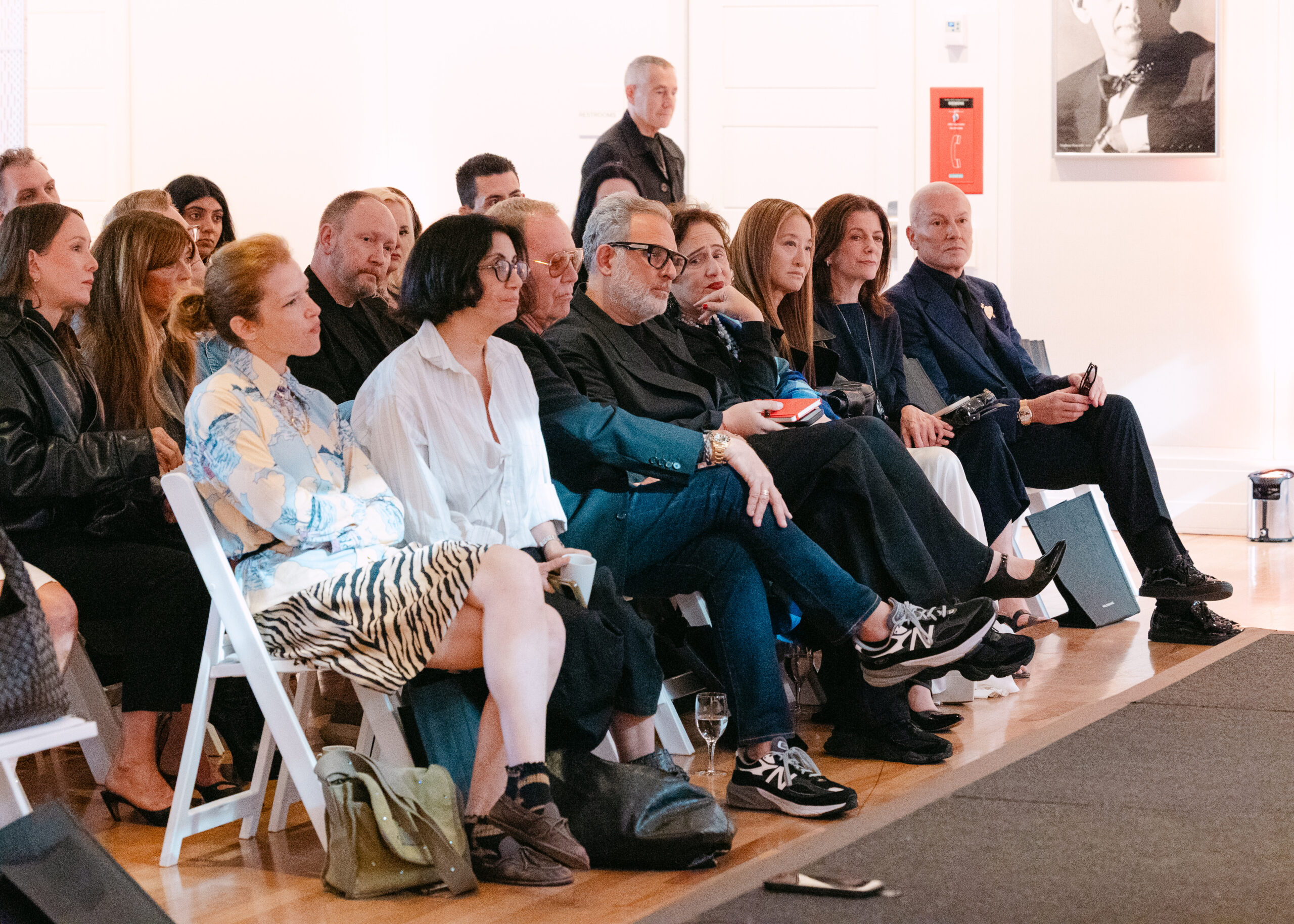
At CFDA’s Annual Membership Meeting, Molly Healy from CFDA’s Membership Team moderated a conversation with Emily Sundberg of Feed Me, Becky Malinsky of Five Things You Should Buy, and Nan D’Souza Wolfe, who oversees Tory Burch’s What Should I Wear, about the platform’s growing role in fashion and what designers can learn from it.
Each panelist brought a different perspective.
Sundberg launched Feed Me in 2020, drawing on her background at F.I.T. and New York Magazine to cover New York business and cultural trends. Malinsky started Five Things You Should Buy in 2022 after nearly 20 years in fashion journalism, looking to simplify shopping recommendations. D’Souza Wolfe brought her experience at publications including W, Women’s Wear Daily, and Harper’s Bazaar, along with her work developing Tory Burch’s editorial voice through Tory Daily and What Should I Wear.
Building a direct relationship with readers
One of Substack’s biggest advantages is the ability to connect directly with readers without relying entirely on traditional media or social platforms. Writers can choose their own stories, build their own businesses, and learn from audience feedback. For Sundberg, however, that independence also requires an entrepreneurial mindset and a commitment to the work.
Wolfe shared how reader comments can reveal a lasting connection to a brand, recalling an exchange with Lena Dunham about a pair of shoes featured several seasons earlier. For Malinsky, the direct relationship allows her to respond to what readers need in the moment, whether that means changing a story based on the weather or offering practical styling advice.
“I really think Substack is a place where you have to be really timely,” Malinsky explained, emphasizing the importance of creating content that connects with readers in their everyday lives.
The importance of trust and an editorial point of view
Trust was a recurring theme throughout the conversation. Malinsky built Five Things You Should Buy around honest recommendations and a more thoughtful approach to shopping, giving readers a clear point of view rather than overwhelming them with options.
“I actually try to create a really positive space in my newsletter, and I call it the happiest place on the internet,” she said, describing a community where readers support one another and have even formed friendships.
That same sense of trust informs Wolfe’s approach to What Should I Wear. Although Tory Burch is a brand, the newsletter operates as an editorial platform, featuring other designers, entrepreneurs, and women in business. Original photo shoots often mix Tory Burch pieces with items from other brands, reflecting how people actually dress.
Wolfe explained that the team wants readers to discover products and designers beyond the brand itself, helping build credibility through content that feels genuine rather than promotional.
Telling stories beyond the product
The panelists also discussed how brands can create more compelling experiences across digital and in-person channels. Sundberg highlighted the growing investment in video, particularly when brands give creative teams and filmmakers the freedom to develop ideas that resonate with audiences.
She also encouraged brands to rethink traditional events, noting that a free drink and a DJ are not always enough to get people through the door. From movie screenings to mahjong nights, experiences built around shared interests can create more meaningful connections.
“Respecting people’s time is really important,” Sundberg said, pointing to the value of offering something thoughtful and unexpected rather than another standard brand event.
Finding the right approach for your brand
Brand partnerships were another key part of the discussion. Malinsky explained that successful collaborations begin with a genuine connection between the writer and the brand, along with the freedom to tell a story in their own voice. She recalled a successful partnership with Tory Burch built around the idea that “there needs to be a sardine in the outfit,” showing how a creative concept can make a product story feel personal and memorable.
Rather than simply repeating a brand’s marketing message, the writer should offer a complementary perspective that feels natural to their audience. Wolfe clarified that Tory Burch’s public relations partnerships operate separately from the editorial work on What Should I Wear, allowing the newsletter to maintain its own voice.
As Malinsky put it, “It takes a lifetime to build trust and one second to lose it.” Keeping the reader first, she explained, is essential to making any partnership work.
Starting small and staying consistent
During the member Q&A, the conversation turned to how designers can launch a newsletter, grow an audience, and approach monetization. Malinsky shared that approximately 80 percent of her newsletter has been paywalled over the past four years, while What Should I Wear is free to subscribe to. The panelists agreed that the right approach depends on each newsletter’s goals and audience.
When designer Bonnie Young asked whether she could write about her personal journey as a founder rather than focus on her clothing, the panelists encouraged her to begin. Malinsky explained that she originally started writing to stay engaged with the industry while building her styling business, never expecting the newsletter to become what it is today.
“The number one piece of advice I can give about Substack or starting a newsletter is consistency,” Malinsky said. Whether sharing the process behind a single sweater or the inspiration for a collection, designers do not need elaborate productions to create something worth reading. A clear point of view and a reliable publishing schedule matter more than length.
Ultimately, the conversation reinforced that Substack does not need to replace a designer’s existing channels. It offers another opportunity to share the ideas, experiences, and perspectives behind a brand.
For CFDA members, the takeaway was simple: start with something you genuinely want to say, find a format that works for you, and give readers a reason to return.