Skip to content
Industry Insights

Effective design with a new era of animal-free bio-materials

May 22, 2026

Emma Håkansson
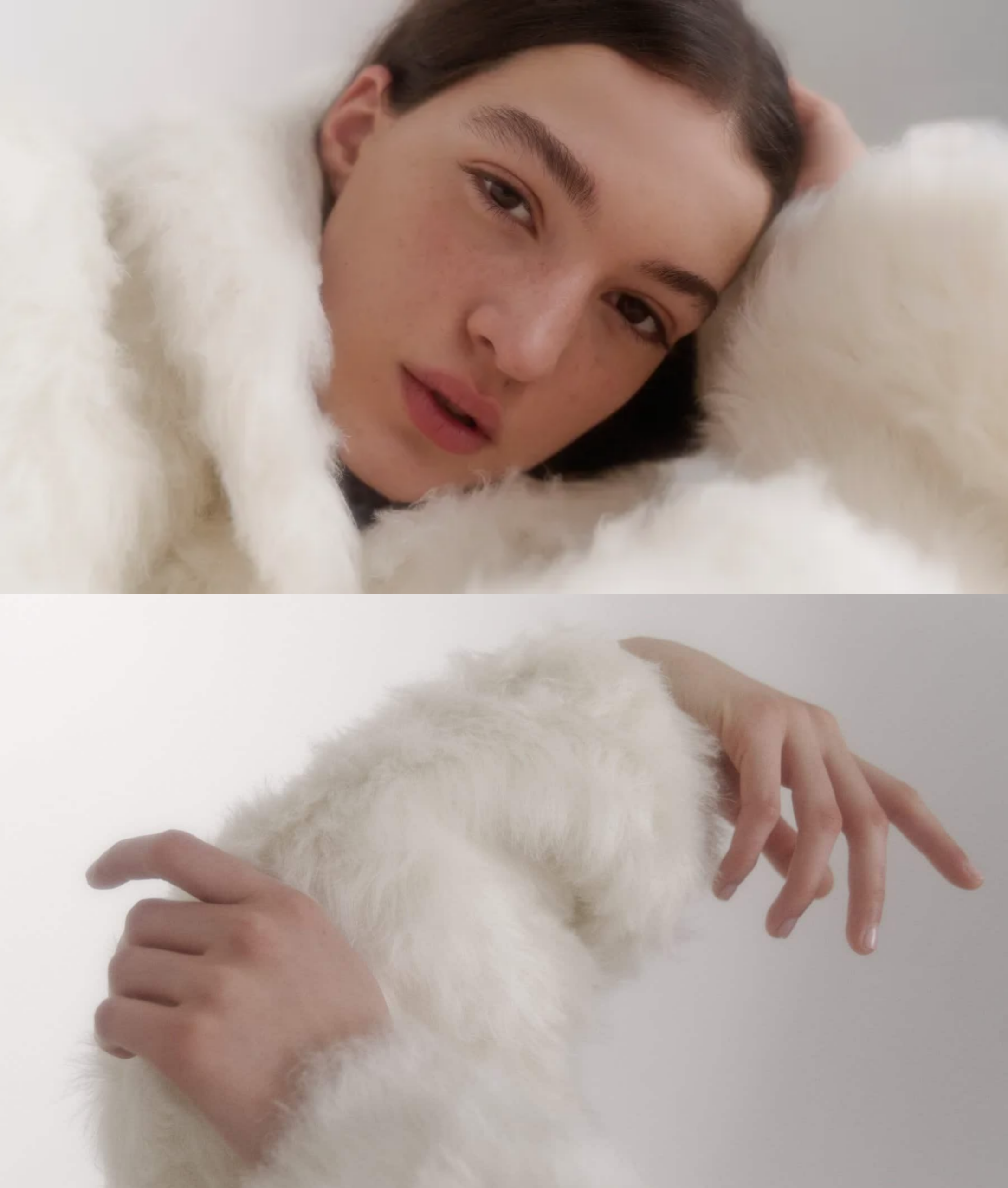
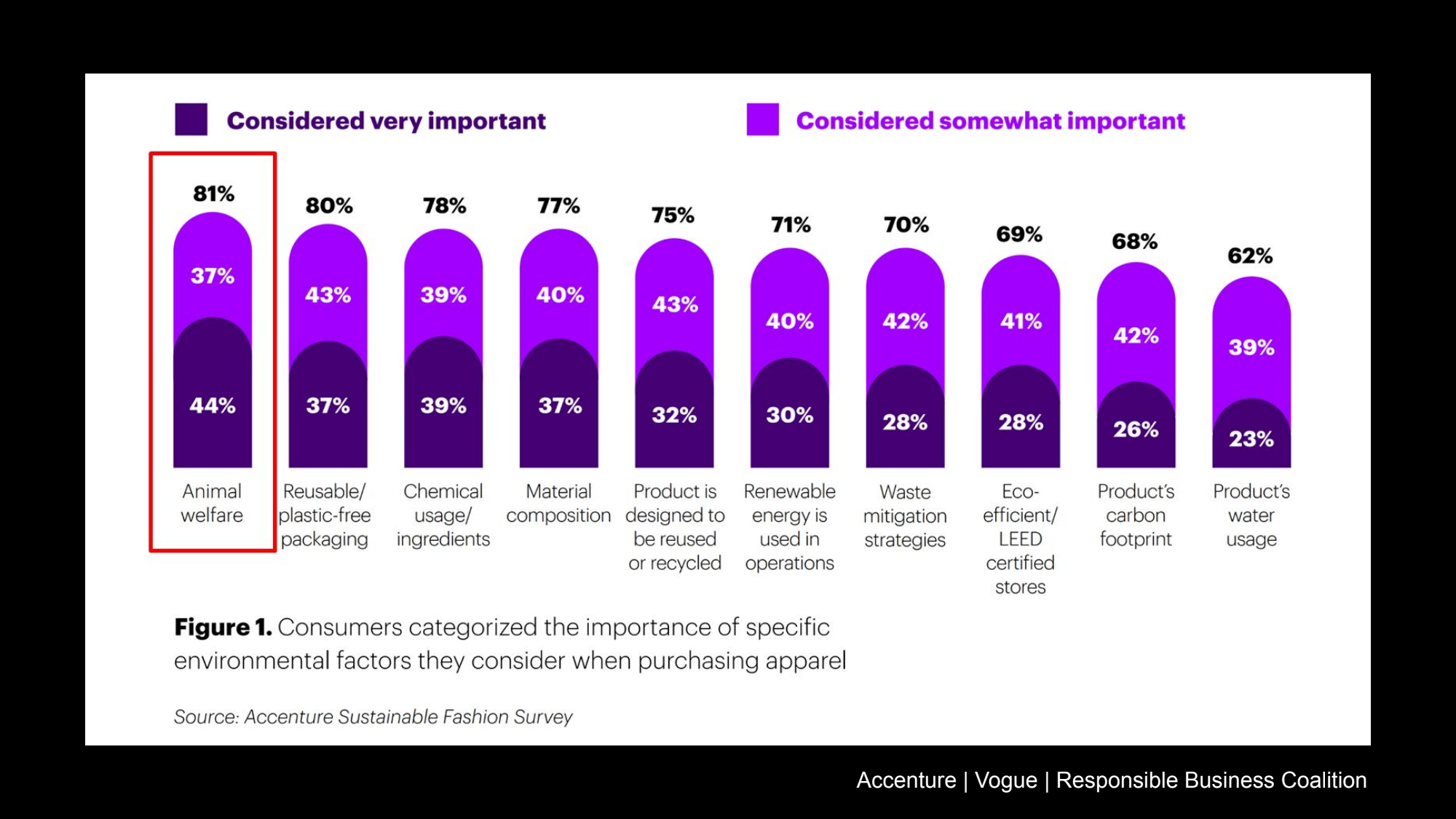
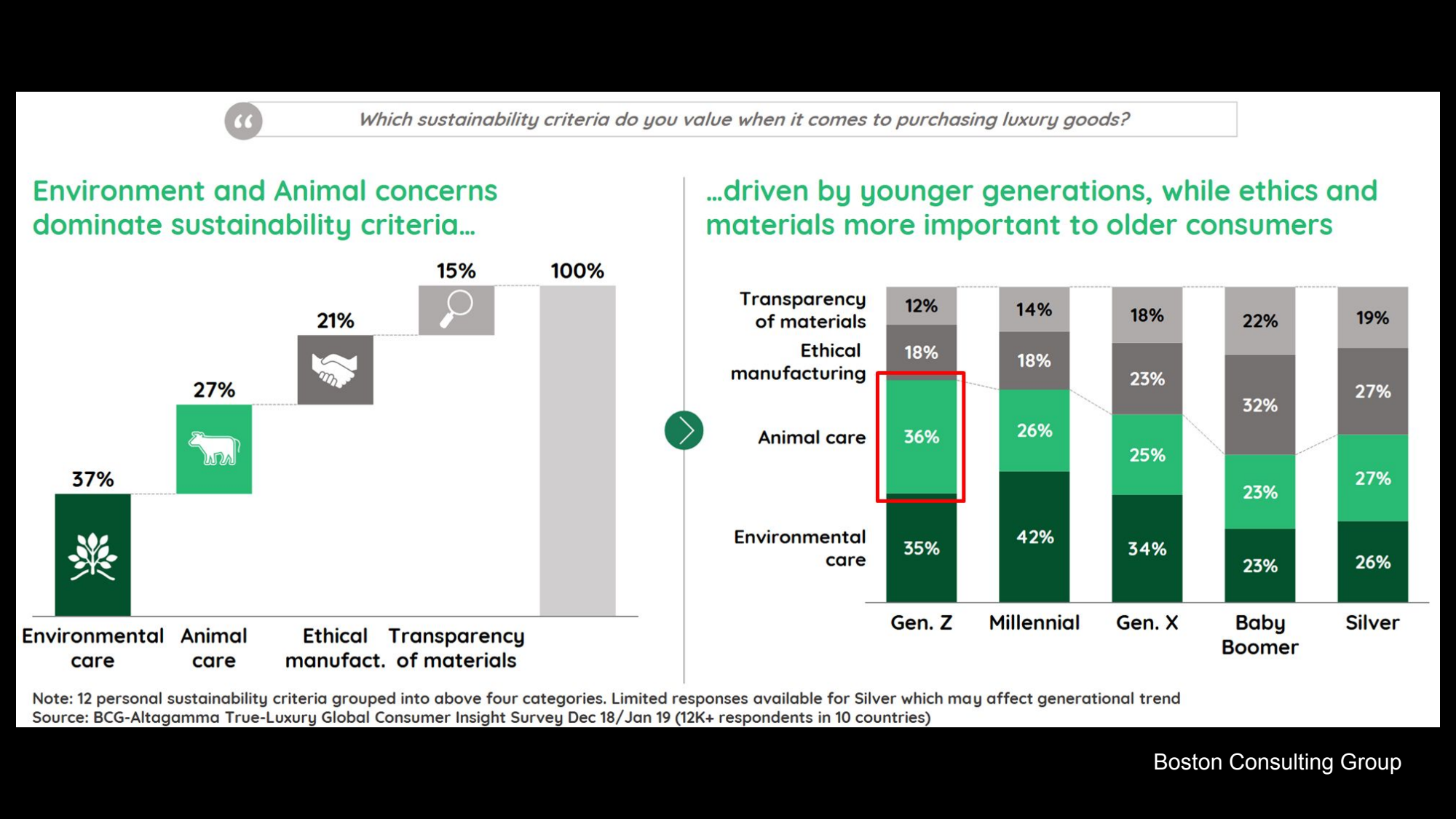
In March, following the CFDA’s December 2025 announcement that New York Fashion Week would become fur-free, the CFDA hosted a webinar on the next era of materials and fur-free fashion with Collective Fashion Justice and Humane World for Animals. This article outlines insights from the session, unpacking the importance of fur-free fashion, which materials are most responsibly used, and how to design and reimagine supply chains to effectively create with them. 

Fur-free

Fur-free Fashion: How We Got Here
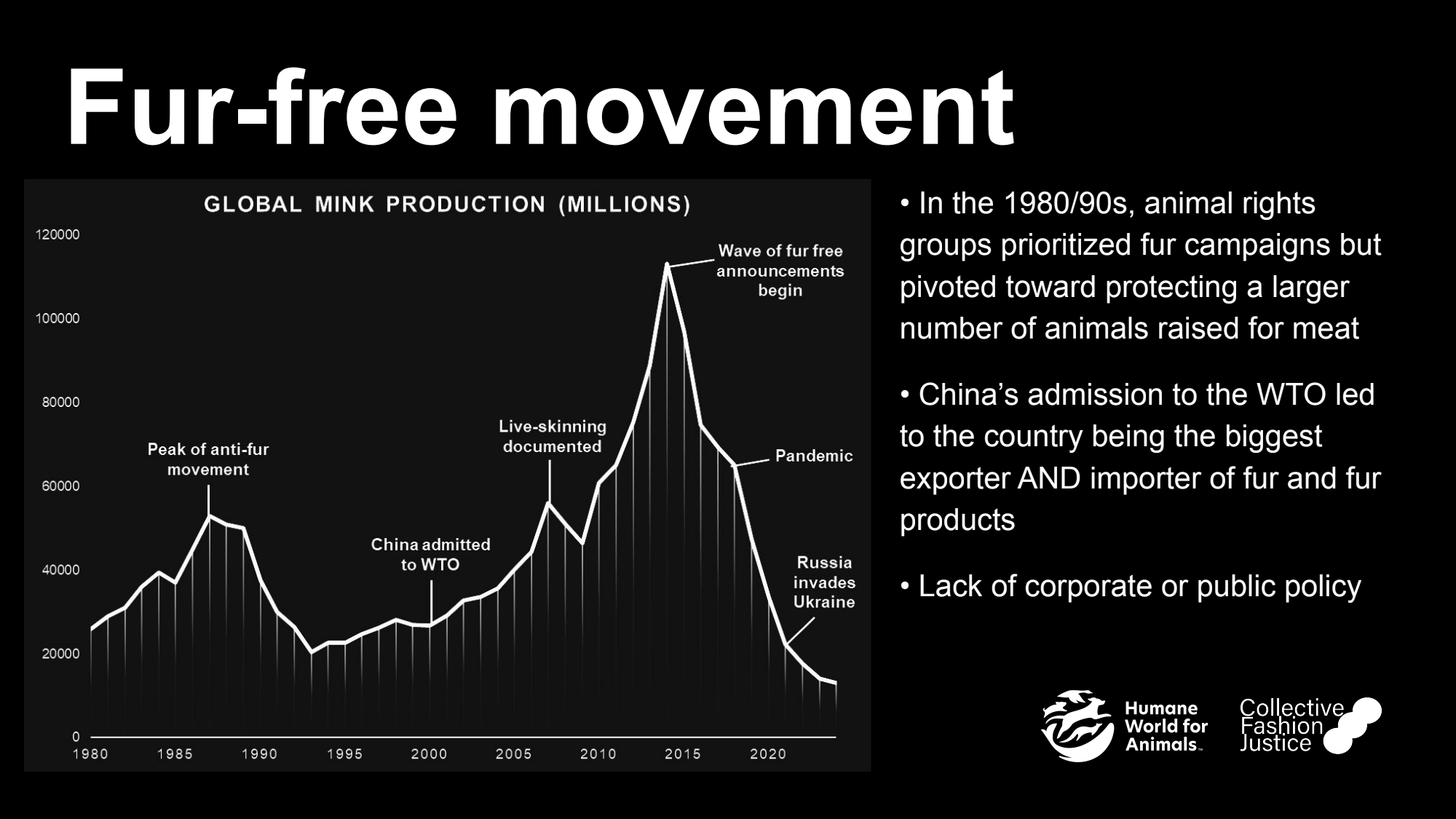


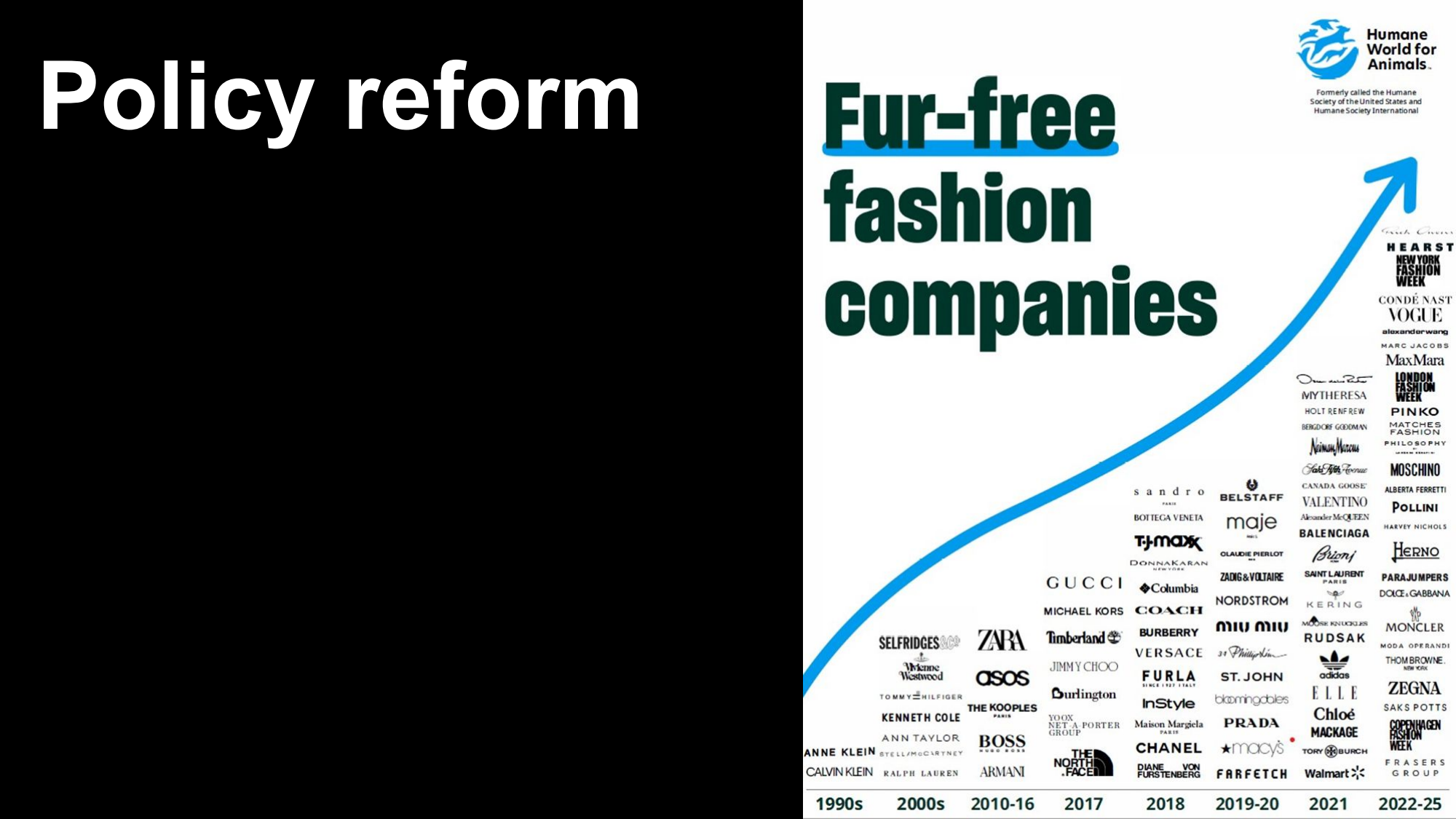
Some decades before the CFDA’s fur policy at New York Fashion Week, it was also in America that the fur-free movement first gained momentum. In the 90s, growing protests, celebrity support for animal protection, and a cultural wave of anti-fur sentiment led to some of the first fur-free policies at global fashion brands, starting with Calvin Klein. Since then, the majority of fashion designers have banned fur in support of animal lives. 

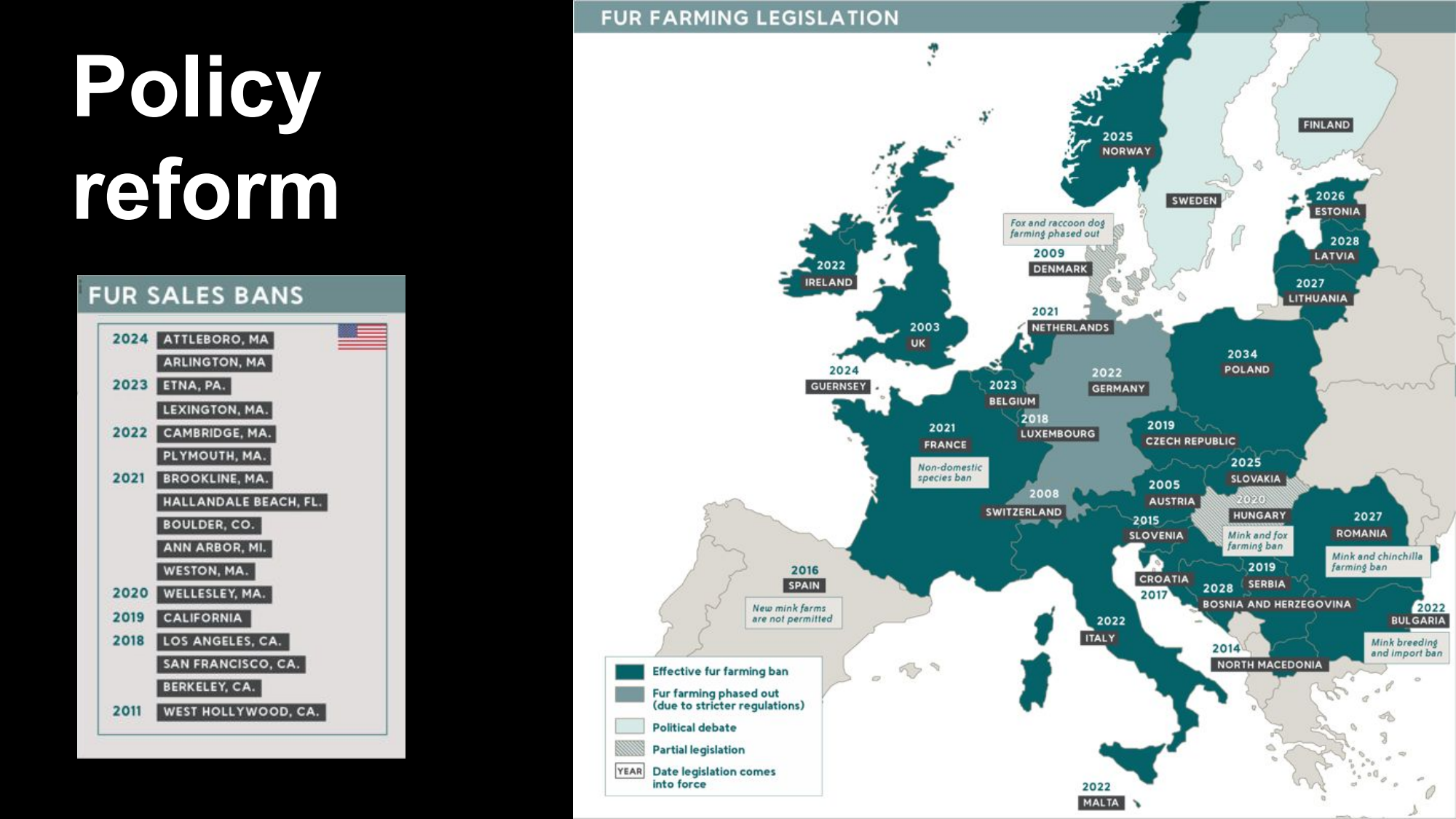
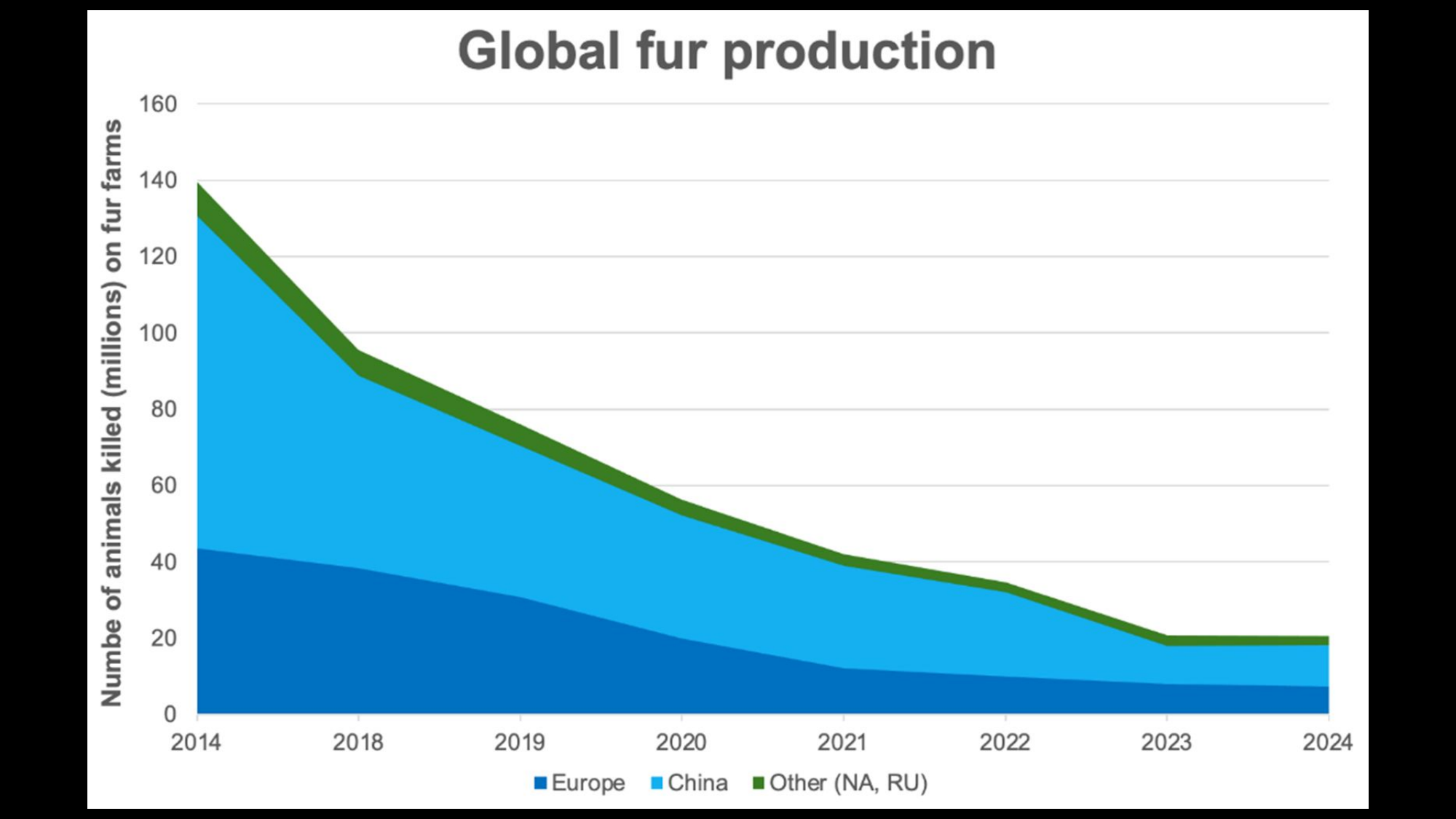
Today, almost 20 U.S. states have banned the sale of fur, and fur farming is banned or phasing out across almost as many EU member states. As a result, global fur production has dropped by an enormous 85% in the last decade. The fashion industry should be very proud of its making this change: it has saved some 120 million fur-bearing animals from being killed every year. Today, 20 million fur-bearing animals are still killed each year, caged for their entire lifetime before then. These thinking, feeling creatures deserve complete safety, which is why continued work to replace animal fur with responsible bio-material innovation is so important. 

01 / 06

The

The Aesthetic Of Fur, Created Without Harm
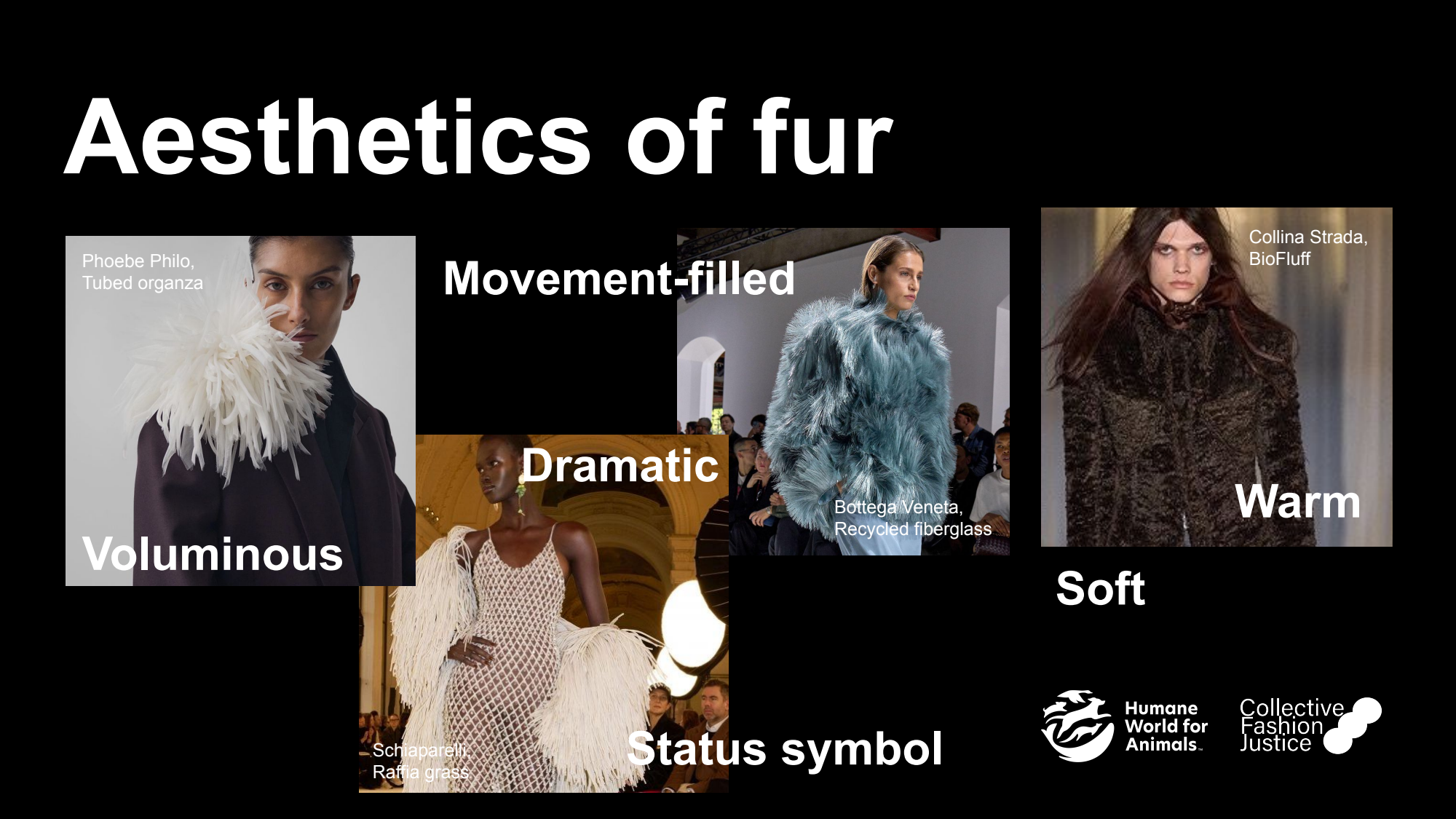
Consumers and designers alike have not used fur because it comes from an animal who was killed, but in spite of this fact. If we are to effectively replace fur, it’s essential we understand the aesthetic and performance qualities of fur that interest us. Fur moves fluidly, it is dramatic in appearance, voluminousness, soft and warm. These qualities are not unique to fur. When designers focus on what they actually seek from fur, they can effectively find materials and techniques that fulfil these creative needs, without harming animals. This more exploratory approach leads to more innovative and interesting design. 

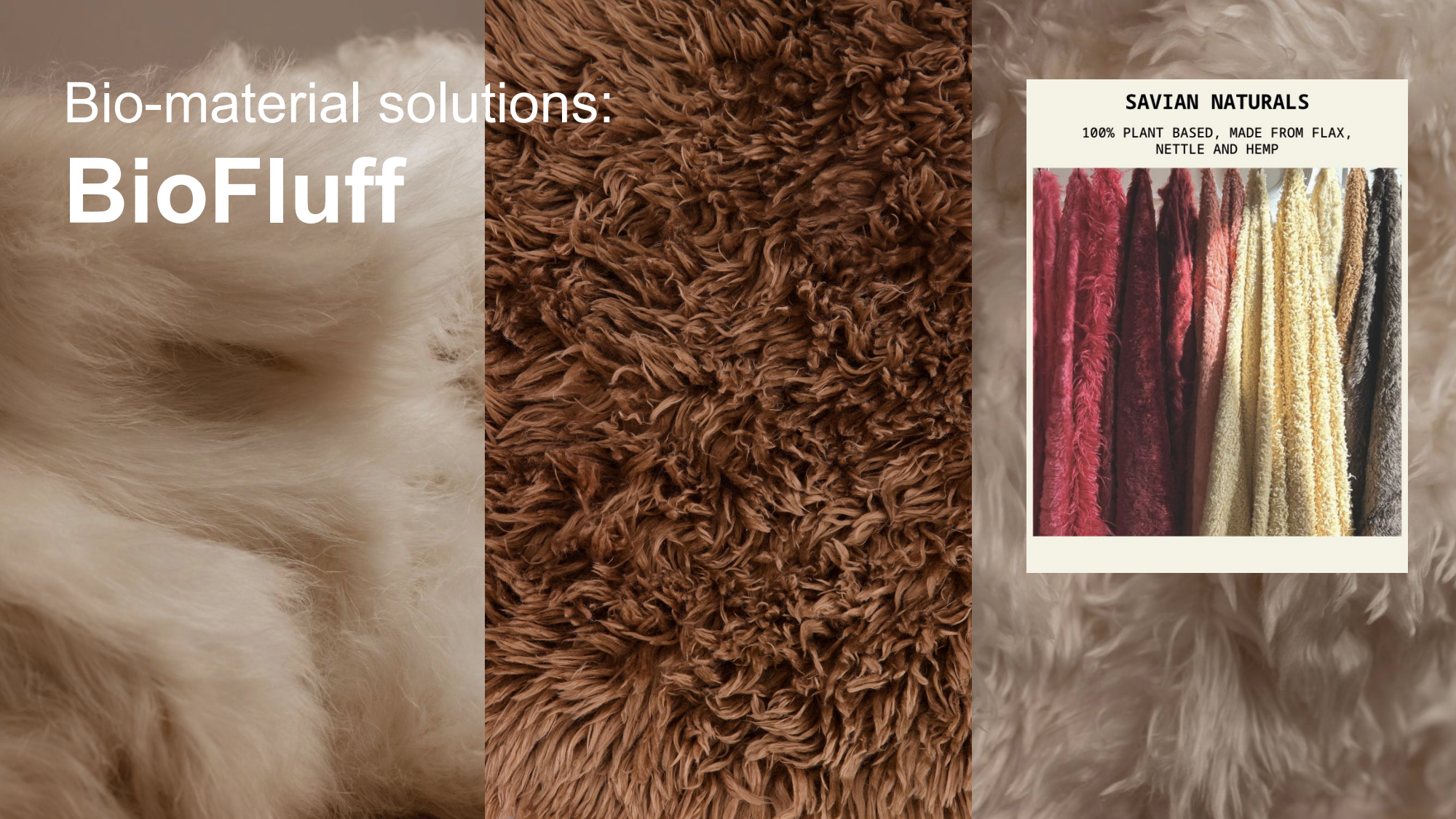
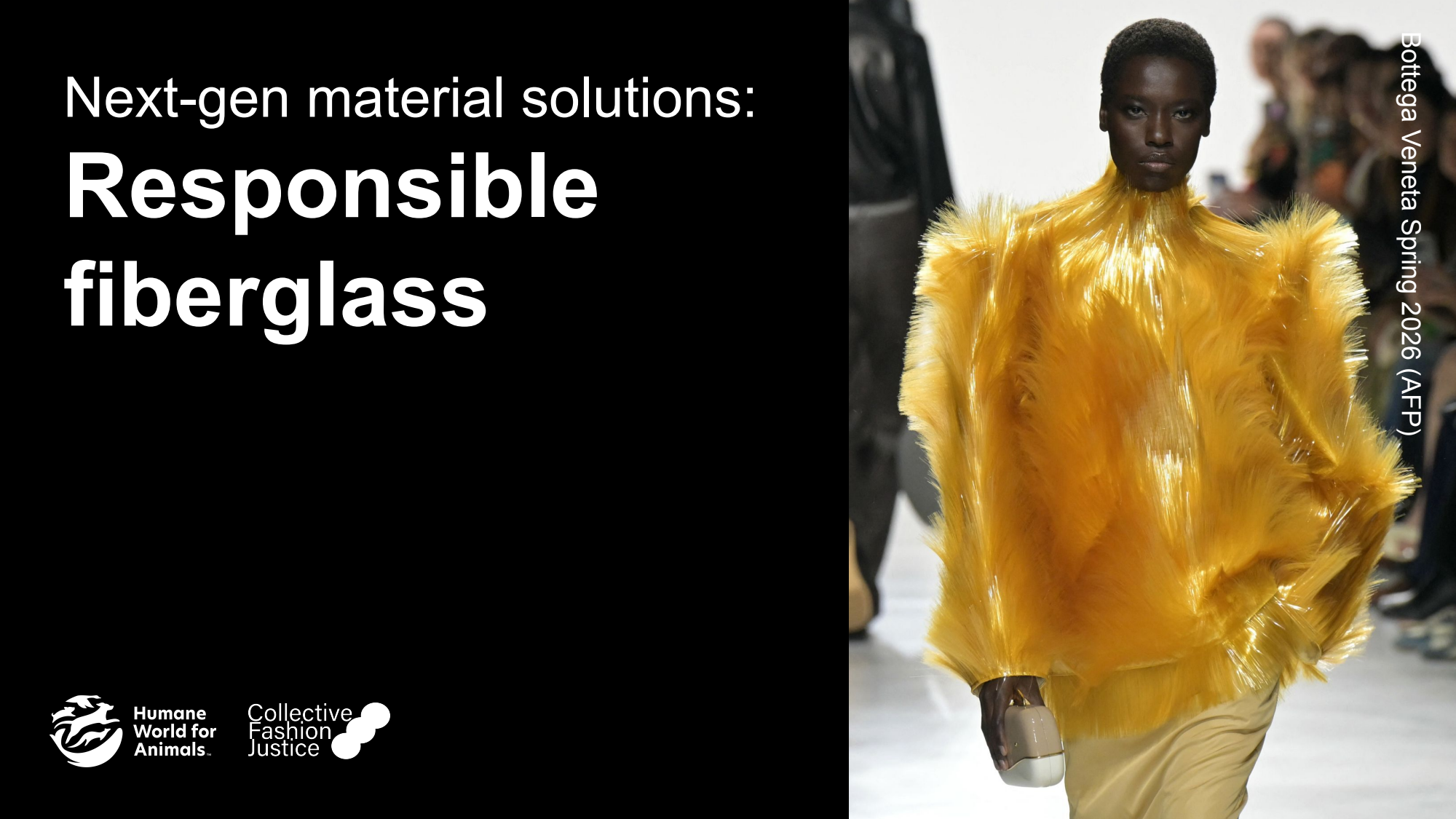
For example, on her S/S26 NYFW runway, Collina Strada featured BioFluff, a plant-based fur with similar warmth and softness to animal fur. Schiaparelli often uses raffia grass to produce the same dramatic volume the maison once used fur for, and Bottega Venetta’s S/S26 Paris runway was full of recycled fibreglass ‘fur’ which had an enchanting movement beyond that of conventional fur, because of its transient shine as it moved.

Responsible

Responsible Solutions Beyond Fur

When replacing animal fur, it is important to consider a total ethics approach, where people, animals and the planet are considered at once. This means aiming not to replace one issue of unsustainability or harm with another. For this reason, using synthetic faux fur made from fossil fuels is not something the industry should continue with, given the contribution of oil production to the climate crisis. 

Equally, replacing fur with ostrich feathers is increasingly common, but just as with fur-bearing animals, ostriches are killed in the supply chains taking their feathers, specifically for fashion. While some brands use shearling – skins from year-old sheep – in place of fur, many animal welfare issues are often associated with these skins, which are also highly methane-intensive. The most responsible way for us to replace animal fur is to look to fashion’s bio-material future. 

A

A New Era Of Bio-materials

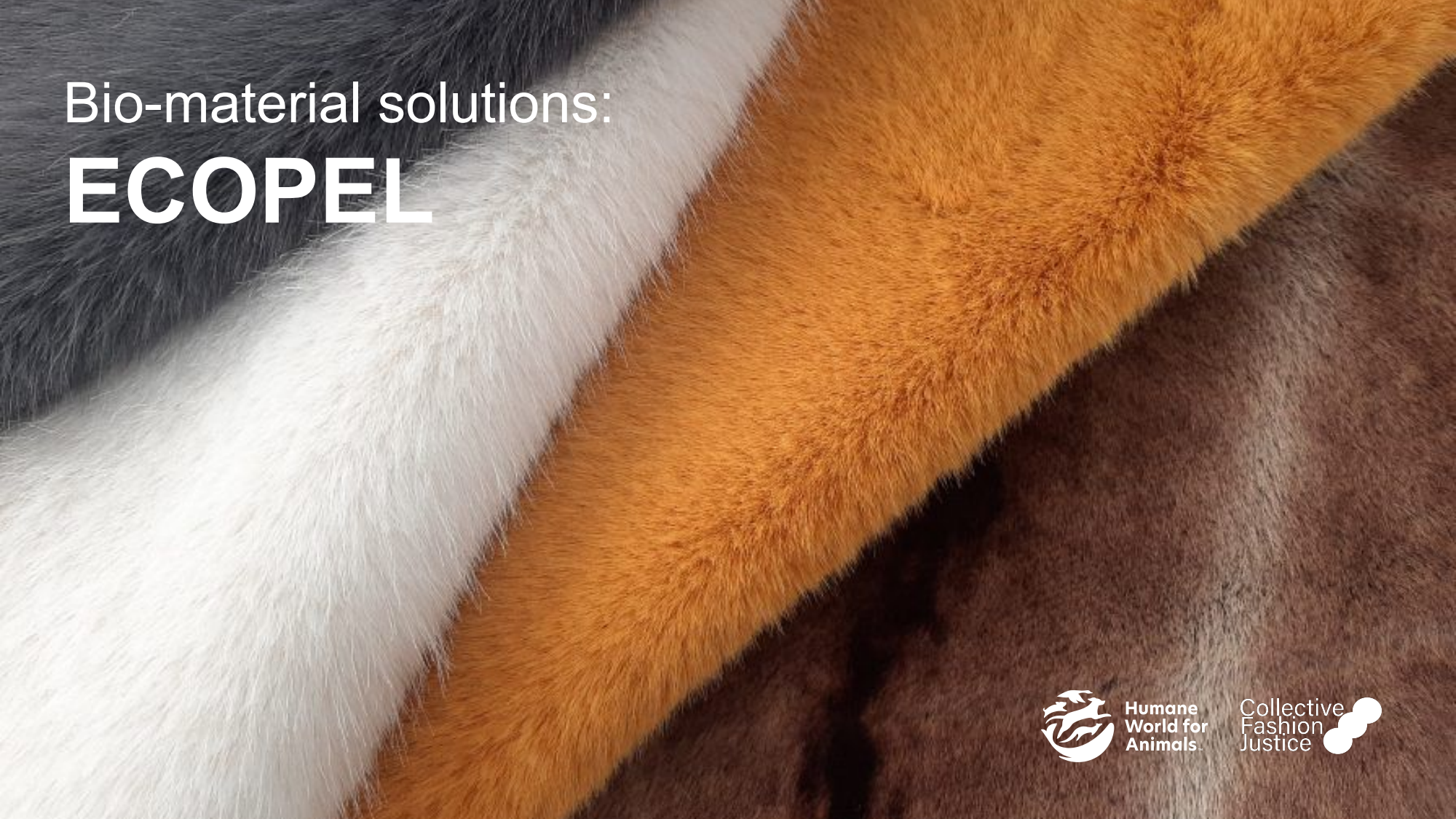
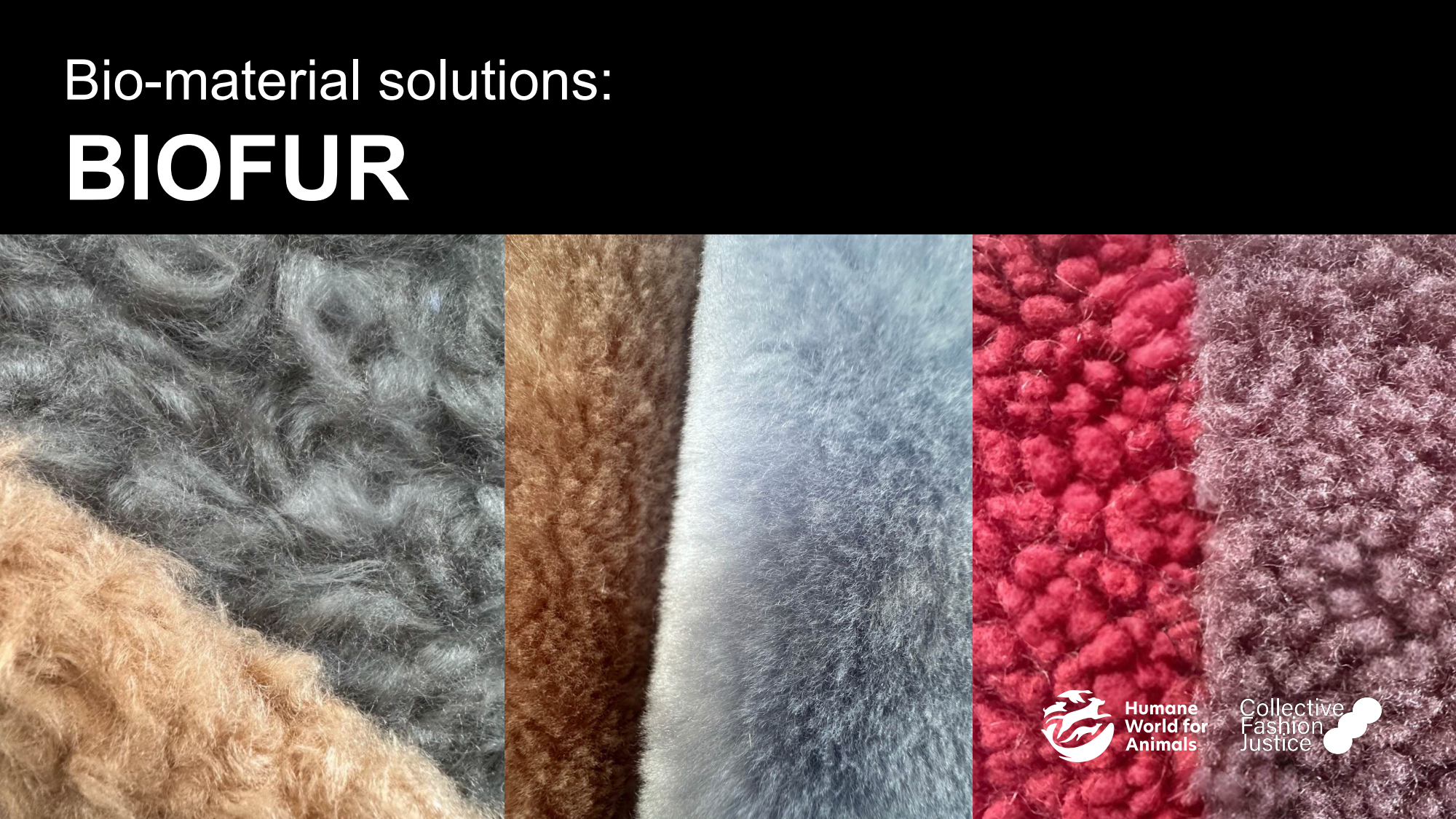
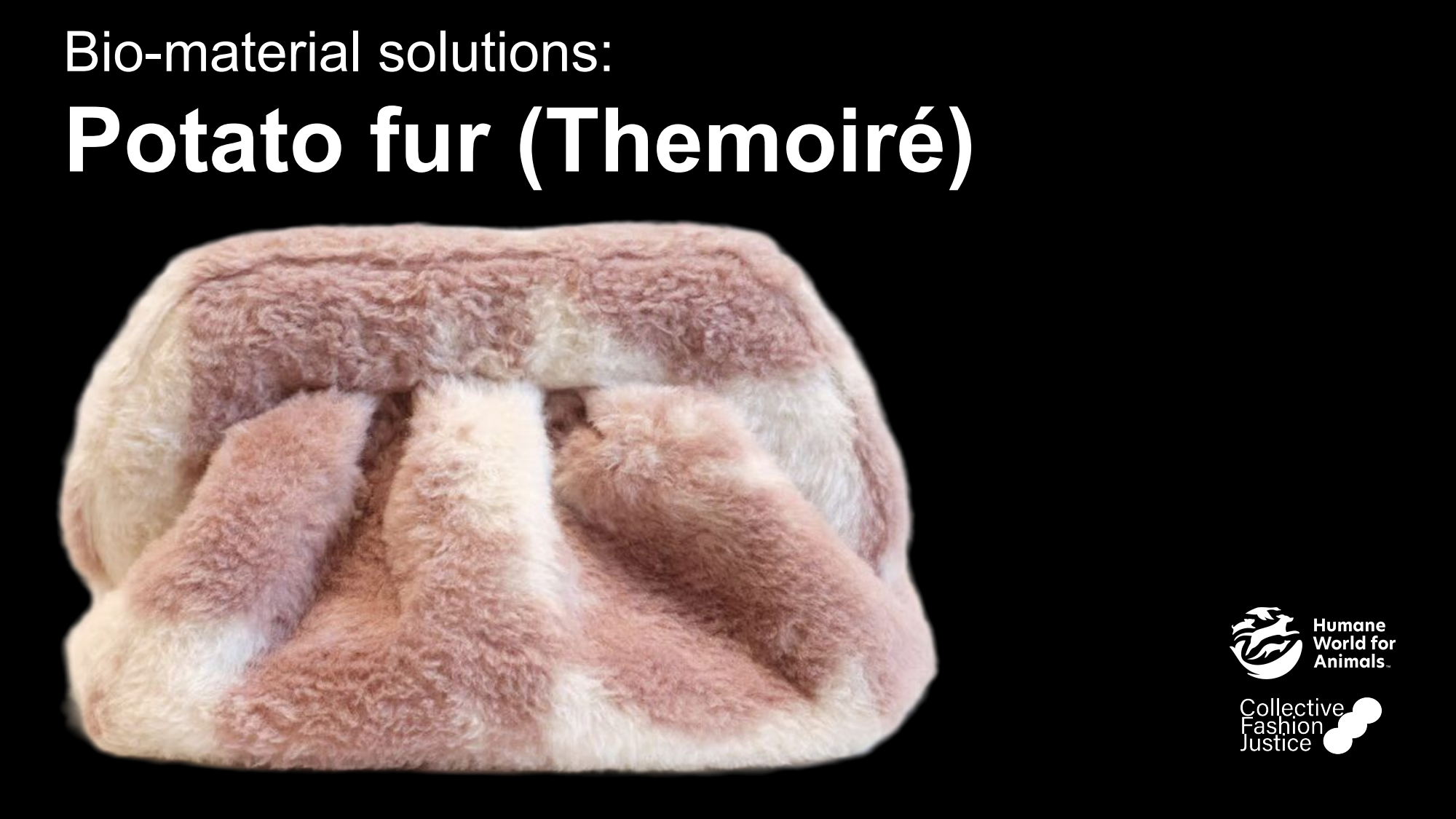
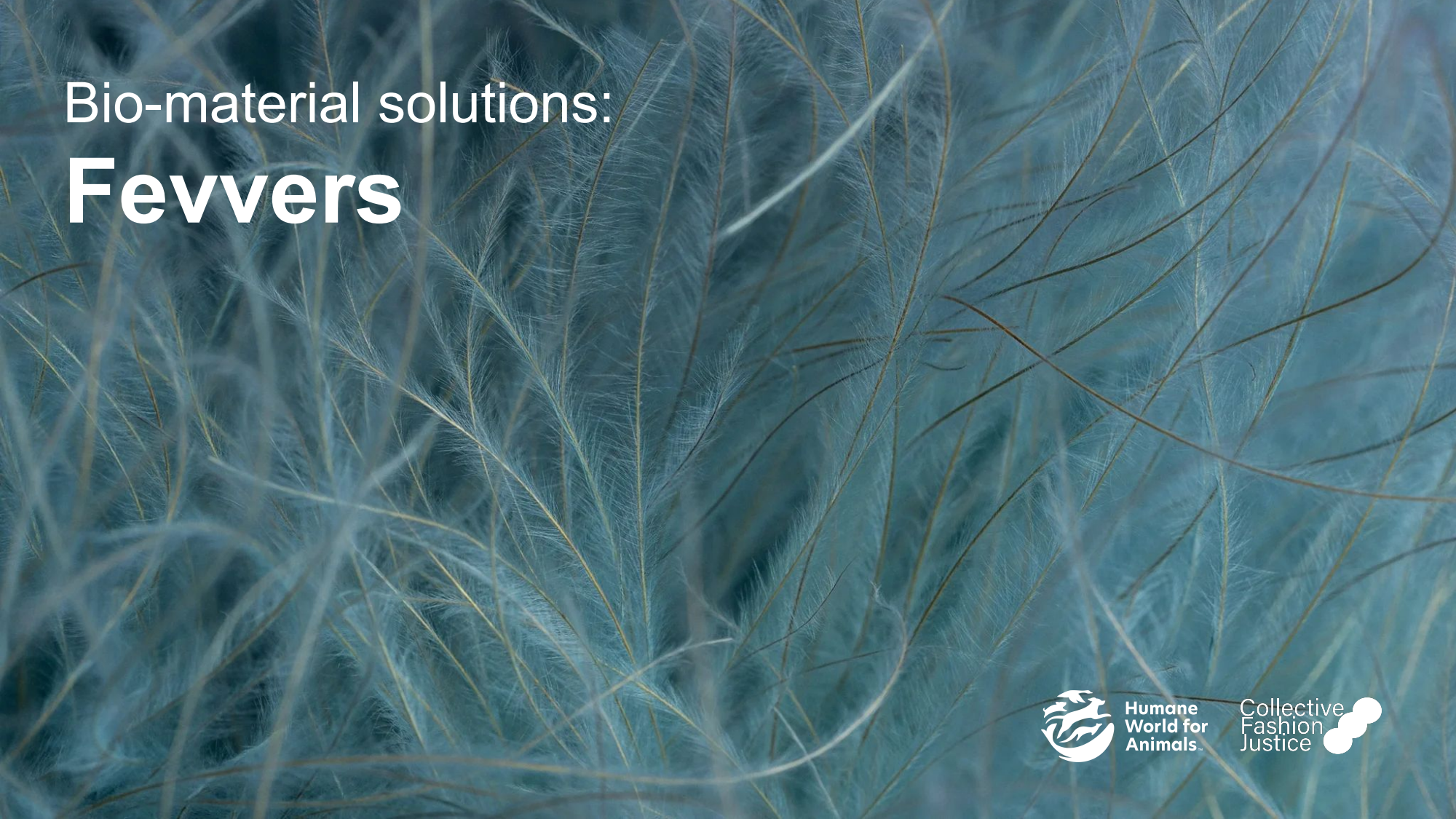
Some of the most promising bio-materials that move us beyond fur include ECOPEL, BioFluff and American-made BIOFUR. ECOPEL is one of the longest operating animal-free fur producers, working with top luxury houses. They have moved from offering synthetics, to post-consumer recycled faux fur, to partly bio-based, and now both plant-based and commercially compostable furs. Similarly, BioFluff produces a PLA faux fur, but also a range of totally plant-based furs made from hemp and nettle: most recently, these were featured on Louis Vuitton’s S/S26 runway. BIOFUR is made from plant sugars and corn, and is both industrially compostable and recyclable. 

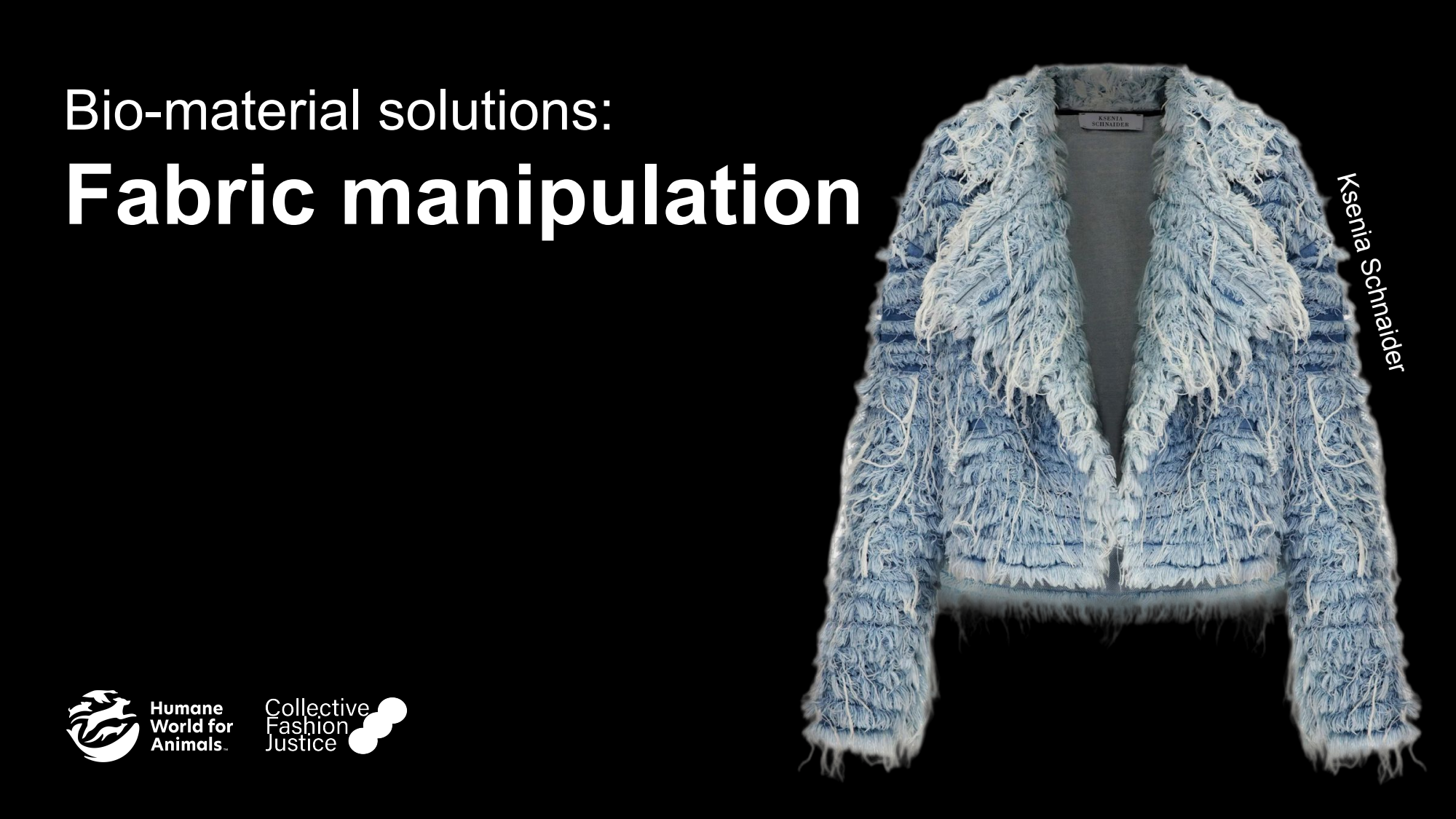
A fur-free fashion future is not only made through direct material replacements, but innovative fabric manipulation techniques. Ukrainian label Ksenia Schnaider upcycles denim, fraying it into furry coats. At Chanel’s S/S26 runway, showcased in a New York subway, a range of plant-based fabrics were frayed and stitched to move with similar movement and fantasy as fur.

01 / 07

Designing

Designing With New Materials Effectively

Designers are effective problem solvers: the first concept is almost never the final product, as product development and collaboration with manufacturers raises challenges in bridging the conceptual and physical. In prioritising a creative problem-solving approach to design, fur-free innovation becomes more effective. 

Additionally, a materials-first approach to design, where we do not expect a new material to function exactly as a traditional one, but explore the new material for its existing capacities, will help us to better use them. Innovative materials are not exact replicas for the more harmful materials they help us to move beyond, they have unique qualities that should be embraced. 

Bio-materials

Bio-materials And Supply Chain Integration


Just as important when utilising new materials, is ensuring designers take a collaborative approach to integrating these into their supply chains. Manufacturers are important partners in ensuring innovative materials are used best, also understanding how to safely trial these. For example, small trims and limited collections can be a good way to explore a new material, expanding its use once lessons are learned about how they must evolve the production process. 

The use of new bio-materials helps to expand both our creativity and our circle of compassion. This is an exciting time for the fashion industry, as we usher in a new and beautiful era of materiality that benefits people, animals and the planet alike. 


Emma Håkansson is the founding director of Collective Fashion Justice, a charity working to prioritise people, our fellow animals and the planet ahead of profit in the fashion industry. A critical friend to the fashion industry, CFJ worked alongside Humane World for Animals to develop the CFDA’s fur-free policy. 

Subscribe

Keep up-to-date with all the latest news from the Council of Fashion Designers of America.