CFDA Scholarship Fund
About
About
2026 CFDA Scholarship Fund Brief
Explore the 2026 CFDA Scholarship Fund Brief for an overview of the program, eligibility, application process, and key information for prospective applicants. Stay tuned for the 2027 Brief.
Frequently
Frequently Asked Questions
For any questions, please reach out to our team at programs@cfda.com.
Eligibility
Who is eligible to apply for the 2027 CFDA Scholarship Fund?
Eligibility varies by scholarship, but applicants must generally be currently enrolled, full-time undergraduate juniors and first-year graduate students in good academic standing during the 2026–2027 academic year.
Applicants must also have at least one semester of school remaining after recipients are selected and scholarship funds are disbursed.
What does “at least one semester remaining” mean?
If you are selected as a recipient, you must still be enrolled in an eligible academic program for at least one semester following the scholarship’s selection and disbursement period.
For example, if you are expected to graduate in Spring 2027 and the scholarship is disbursed after your graduation, you would generally not be eligible. If you are expected to graduate in Fall 2027 or later, you may be eligible, provided you meet all other requirements.
Can I apply if I am an associate-degree student?
Yes. Associate-level students may be eligible, provided they meet the specific scholarship’s class-year, enrollment, graduation-date, and other eligibility requirements.
Are graduate students eligible?
Some scholarship opportunities are open to graduate students. Eligibility varies by scholarship and may depend on your year of study and anticipated graduation date.
Do I need to be a fashion design major?
Not necessarily. Some opportunities may be open to students in related fields or programs, provided their application meets the requirements of the specific scholarship. Program examples include Fashion Business & Industry, Textiles & Materials, Jewelry & Accessories, and Fashion Communication & Media.
Always review the individual scholarship brief to determine whether your program of study qualifies.
Do I need to attend a school in New York?
No. Students attending eligible institutions across the United States are encouraged to apply when they meet the requirements of the scholarship.
However, some scholarships may include location-based internships, experiences, or programming. If selected for an opportunity that requires you to be in a specific location, you may be responsible for securing your own accommodations unless otherwise stated in the scholarship brief.
Are international students eligible?
Students who are not U.S. citizens may be eligible to apply. Eligibility is determined by the requirements of the individual scholarship and does not necessarily depend on U.S. citizenship.
Can high school students apply?
No. The CFDA Scholarship Fund is currently intended for students who are enrolled in an eligible college or university program. Students who have been accepted to a university but have not yet enrolled are not eligible to apply.
Applying
Can I apply for more than one scholarship?
Yes. Students are encouraged to apply for as many scholarships as they are eligible for. You may also be selected to receive more than one scholarship.
How do I know which scholarships I am eligible for?
Review each scholarship’s eligibility requirements and brief before applying. Consider your:
- Current degree and program
- Year of study
- Anticipated graduation date
- Enrollment status
- Academic standing
- Design discipline or area of focus
- Alignment with the scholarship’s specific brief or theme
If you meet the requirements for multiple opportunities, you are encouraged to apply to each one.
How are applications reviewed?
The CFDA first reviews applications for eligibility and completeness. Eligible applications then move forward to scholarship-specific selection committees, which are comprised of industry leaders and/or representatives from the scholarship partner.
Selection committees look for alignment with the brief, strength and clarity of design intent, thoughtful material and technical decisions, and a clear relationship between concept and execution.
Portfolio
Is there a required number of projects, looks, or garments?
There is no universal required number of projects, looks, or garments. Your portfolio should include enough work to clearly communicate your design perspective, process, and intent.
A cohesive body of work is more important than meeting a specific quantity.
Do I need to include finished garments?
No. Finished garments are not always required.
Depending on the scholarship, you may submit sketches, illustrations, technical flats, tech packs, research, and process work. If you do not have finished garments, you should still apply and use your portfolio to clearly demonstrate your design thinking and development.
Should I focus on my process or my finished work?
Your application should demonstrate how your ideas develop. Include research, experimentation, material exploration, iteration, and decision-making, along with finished work when available.
The selection committee wants insight into your creative thinking and making process, not just the final product.
Can I include more than one collection or project?
Yes, provided there is a clear through-line connecting the work. Your portfolio should feel cohesive and communicate a clear design perspective.
Can I include both menswear and womenswear?
Yes. You are not required to focus exclusively on menswear or womenswear. You may submit a combination of both when it supports your overall portfolio.
Is there a required portfolio size or orientation?
There is no universal page-size or orientation requirement for your PDF portfolio. Applicants are encouraged to use creative freedom in how they present their work. The maximum file upload on Formstack is 2 GB.
Can I include annotations?
Yes. Annotations can help communicate your process, design decisions, materials, research, and development.
What are some common application mistakes?
Some common issues include:
- Submitting sketches without annotation or context
- Presenting work that is not clearly organized or articulated
- Not using the written statement to further explain your design ideas
- Submitting difficult-to-review file formats such as PNGs
Your portfolio, written statement, and video should work together to tell a cohesive story.
Written Statement
What should I include in my written statement?
Use your written statement to explain your design concept, perspective, inspiration, process, and how you plan to bring your ideas to life.
You may also discuss how the scholarship would support your continued education and development as a designer.
How long should my written statement be?
The required length varies by scholarship. Always follow the requirements outlined in the individual scholarship brief.
Recommendation is approximately 500–750 words.
Can I discuss the same ideas in different parts of my application?
Yes. Your application components should complement one another. You do not need to make every section completely separate; instead, use each component to provide additional context and strengthen your overall application.
Video Submission
What should I discuss in my video?
The video gives the selection committee an opportunity to get to know you as a designer, hear about your unique perspective, understand your design process, and learn how you would bring your design concept to life.
How long should my video be?
Videos should be 60–90 seconds. Always refer to the individual scholarship brief for the requirements of the opportunity you are applying to.
Does my video need to be professionally produced?
No. High production value is not required. A phone recording is acceptable. The focus should be on clearly communicating your perspective, process, and ideas.
Scholarship-Specific Opportunities
Do I need to design for a specific season?
Unless otherwise stated in the individual scholarship brief, applicants have creative freedom in determining what work to include in their portfolio.
Are travel and housing covered?
This varies by scholarship. Some opportunities may include internships or programming that require recipients to travel. Applicants should review the individual scholarship brief for information regarding travel, housing, and other associated costs.
Scholarship Funds
What can scholarship funds be used for?
Scholarship funds may be used toward eligible educational expenses, including tuition, room and board, and other school-related costs. Depending on the scholarship and the student’s circumstances, remaining funds may support expenses such as thesis or capstone projects, materials, and books.
How are scholarship funds distributed?
Scholarship funds are generally sent directly to the student’s school. Any remaining eligible funds after applicable school expenses have been paid may be provided to the student for eligible educational expenses.
When will scholarship funds be distributed?
The timing of scholarship disbursement varies and will be communicated to selected recipients.
Preparing Your Application
Can I see examples of previous recipients’ portfolios?
Yes. Previous recipient examples may be available as a resource to help applicants understand how students have presented their work.
Will there be information sessions or office hours?
The CFDA may offer information sessions and office hours during the application period. These opportunities are intended to help prospective applicants understand the scholarship offerings and application requirements.
Details for the 2027 application cycle will be shared as they become available.
When is the 2027 application deadline?
The 2027 CFDA Scholarship Fund application period is expected to take place during the 2026–2027 academic year, with application deadlines occurring in March and April 2027, depending on the individual scholarship.
Please refer to each scholarship’s application page and brief for the exact deadline.

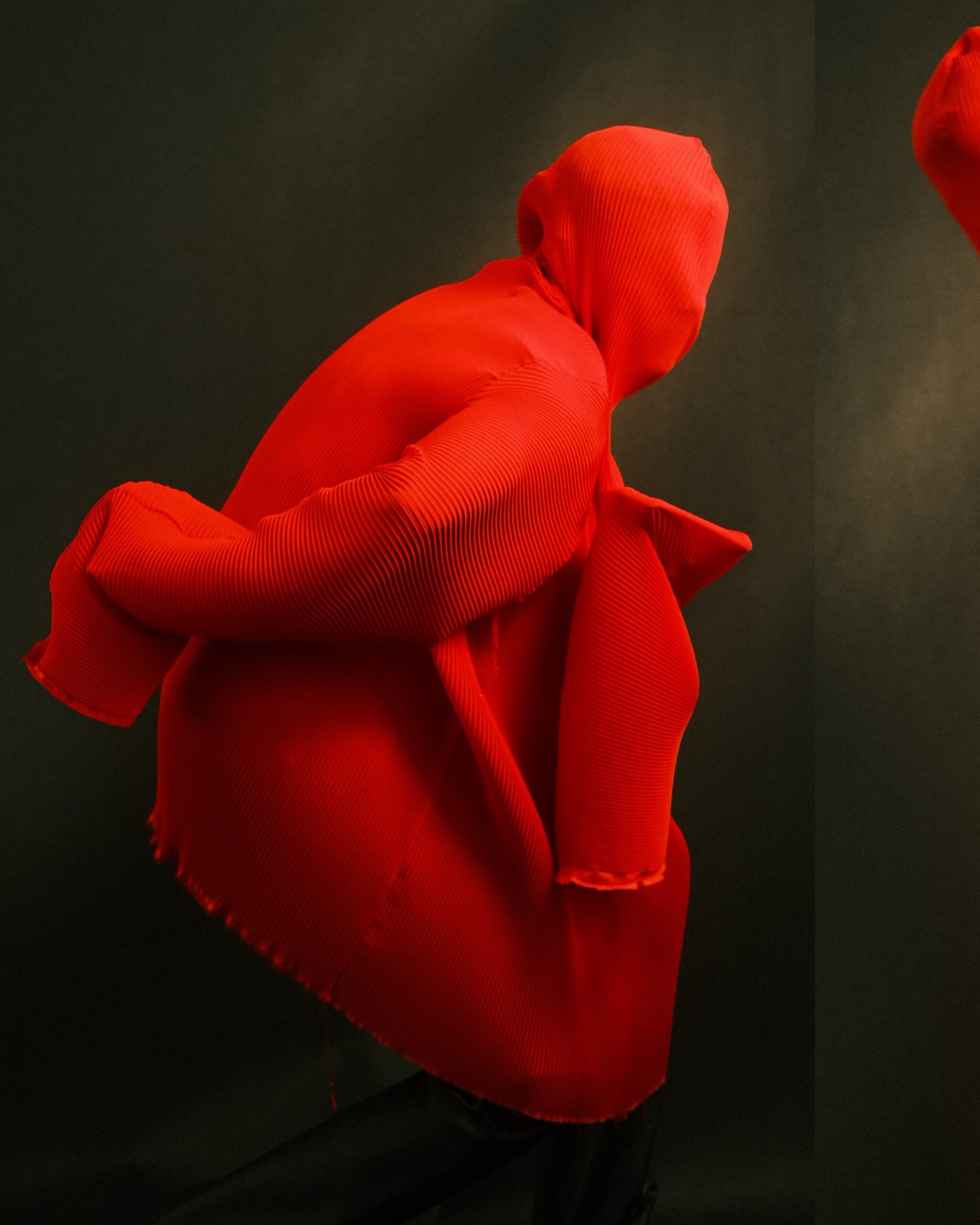
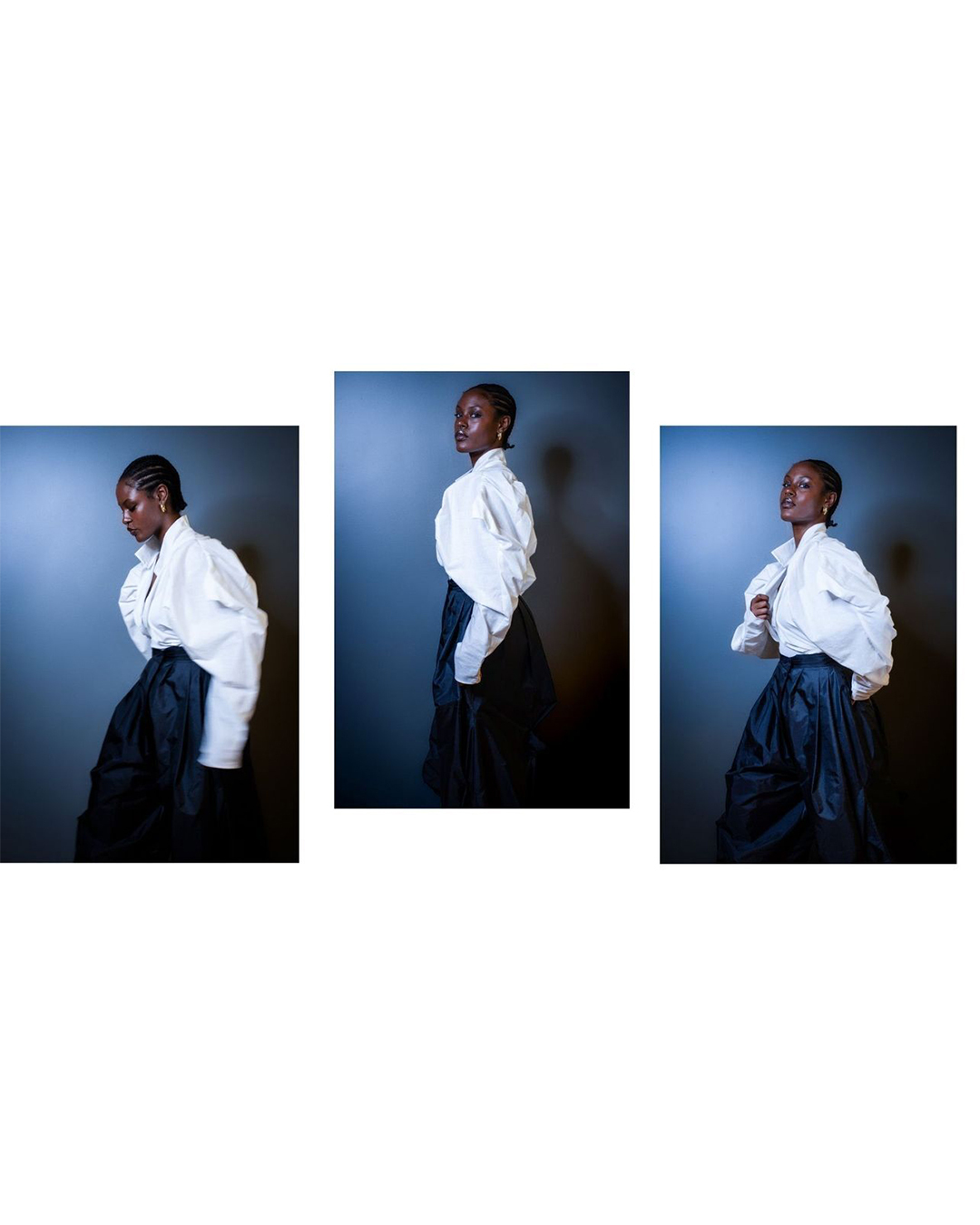
Image courtesy of Nara Shin, 2026 Melvin and Monique Rodriguez Family Foundation Recipient
2026
2026 CFDA Scholarship Fund Recipients
Anzeka Rysava
The Carolina Herrera Women in Design Scholarship
Giang Luu
The Carolina Herrera Women in Design Scholarship
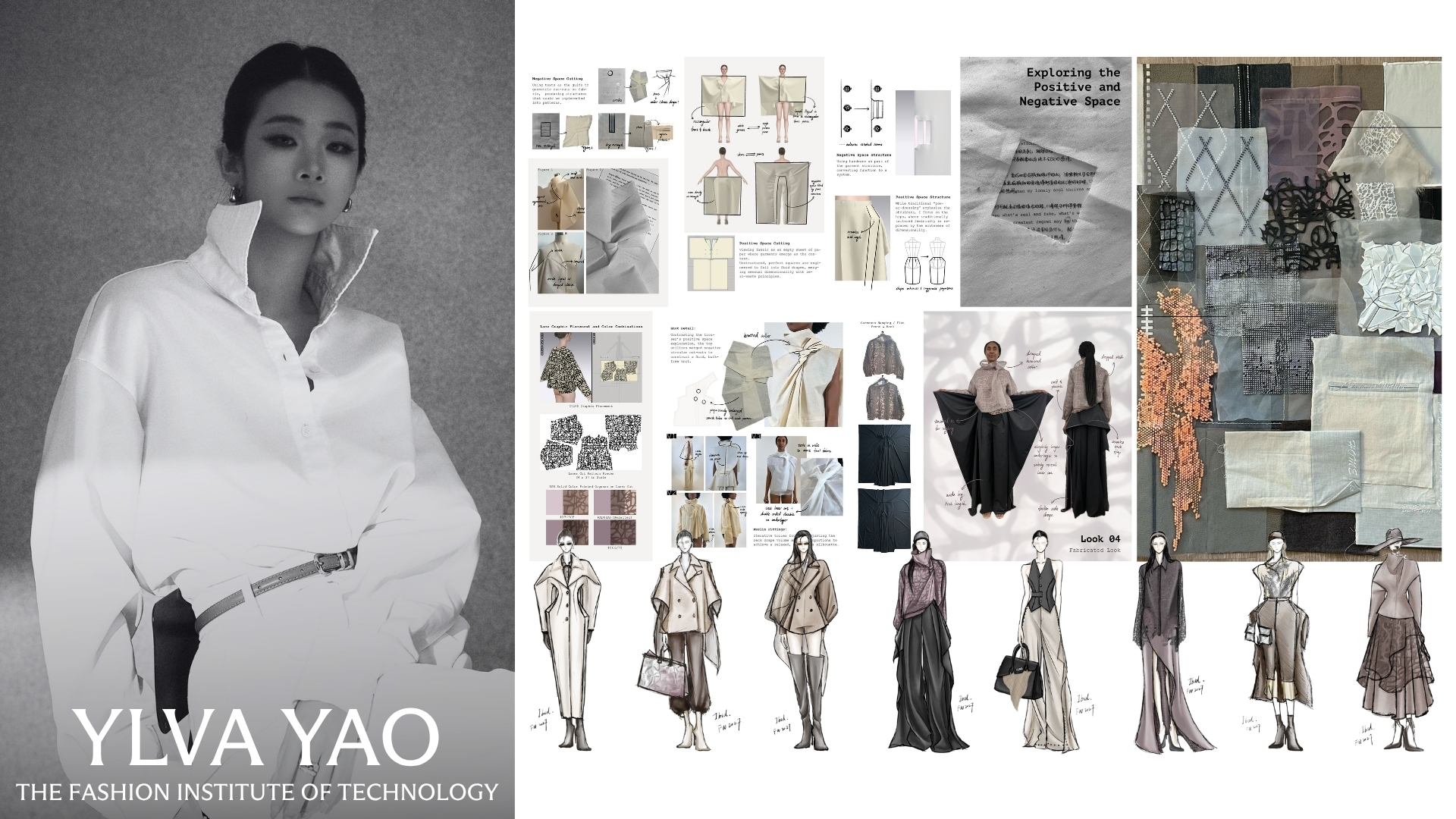
Ylva Yao
The Geoffrey Beene Design Scholar Award
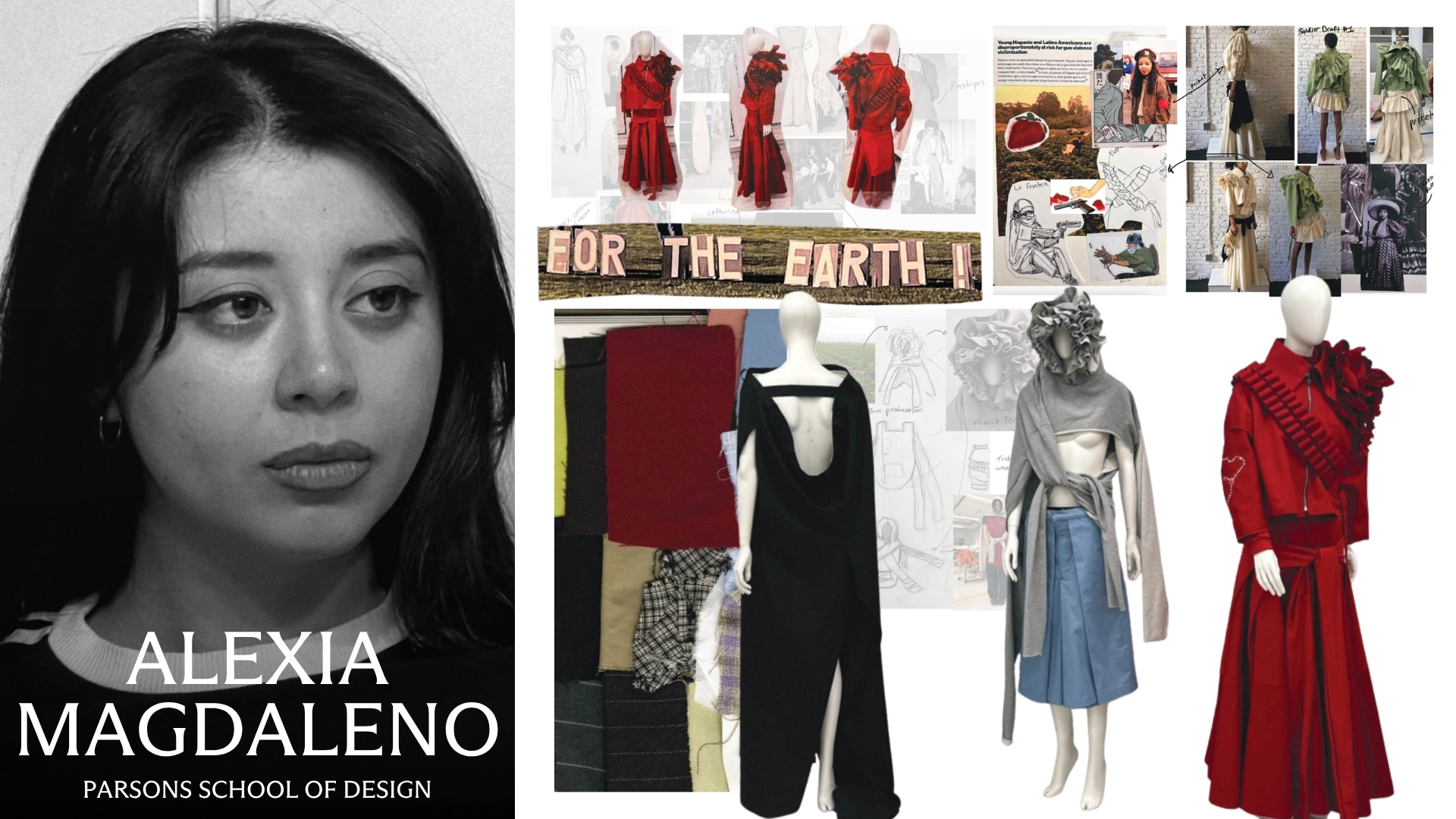
Alexia Magdaleno
The Liz Claiborne Honorarium
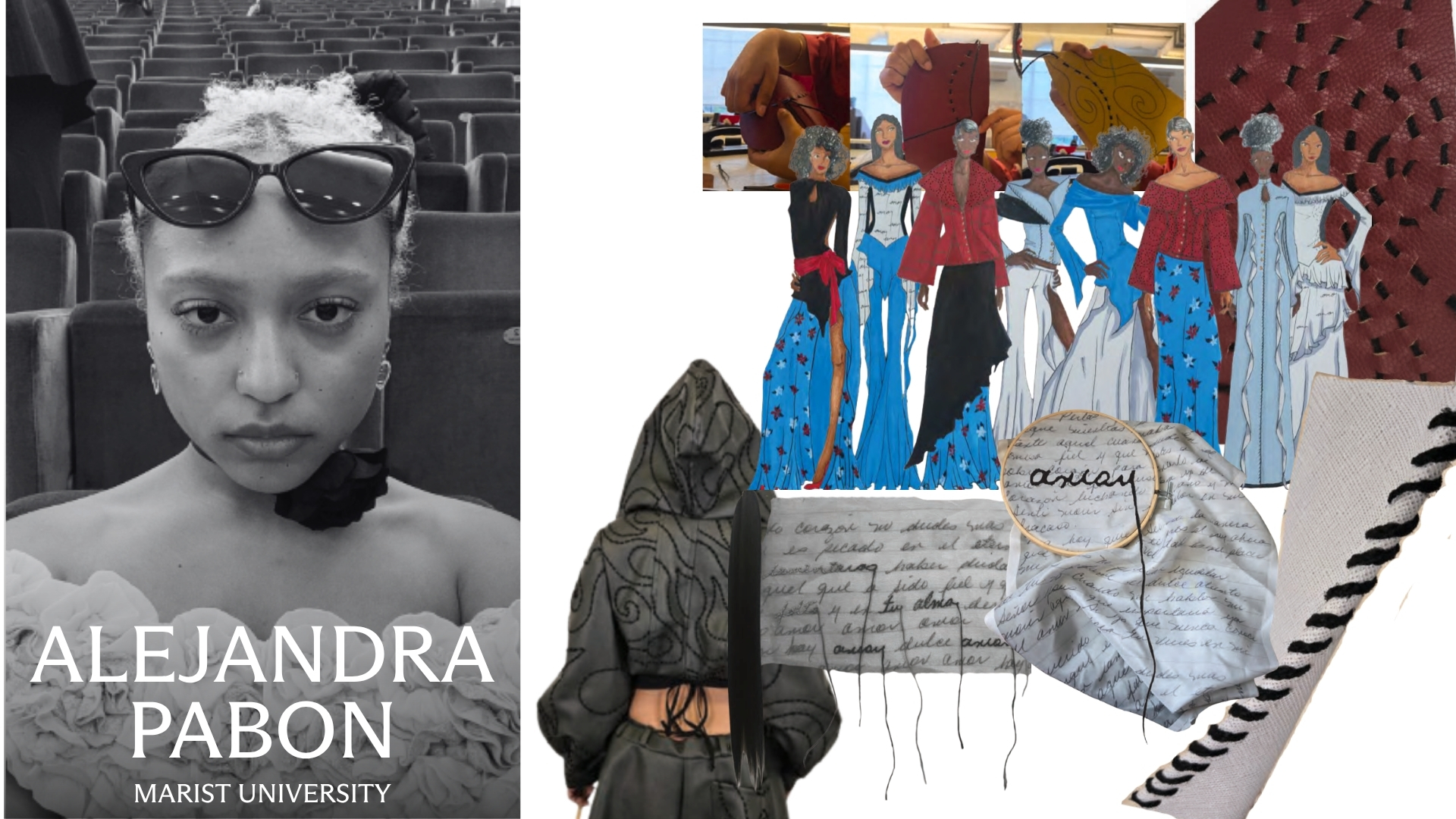
Alejandra Pabon
The Melvin and Monique Rodriguez Family Foundation Scholarship
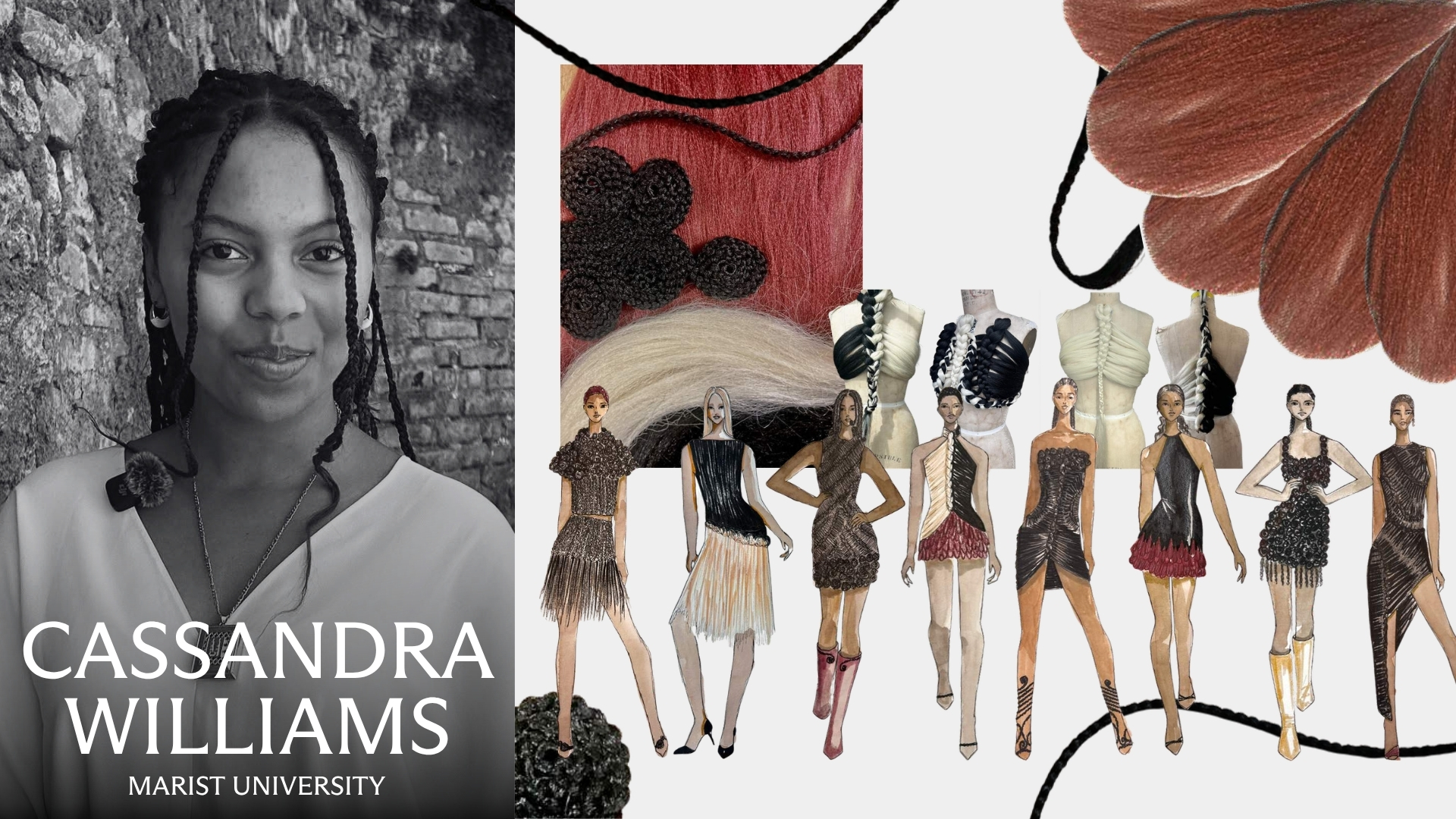
Cassandra Williams
The Melvin and Monique Rodriguez Family Foundation Scholarship
Nara Shin
The Melvin and Monique Rodriguez Family Foundation Scholarship
Zeri Lopez
The Melvin and Monique Rodriguez Family Foundation Scholarship
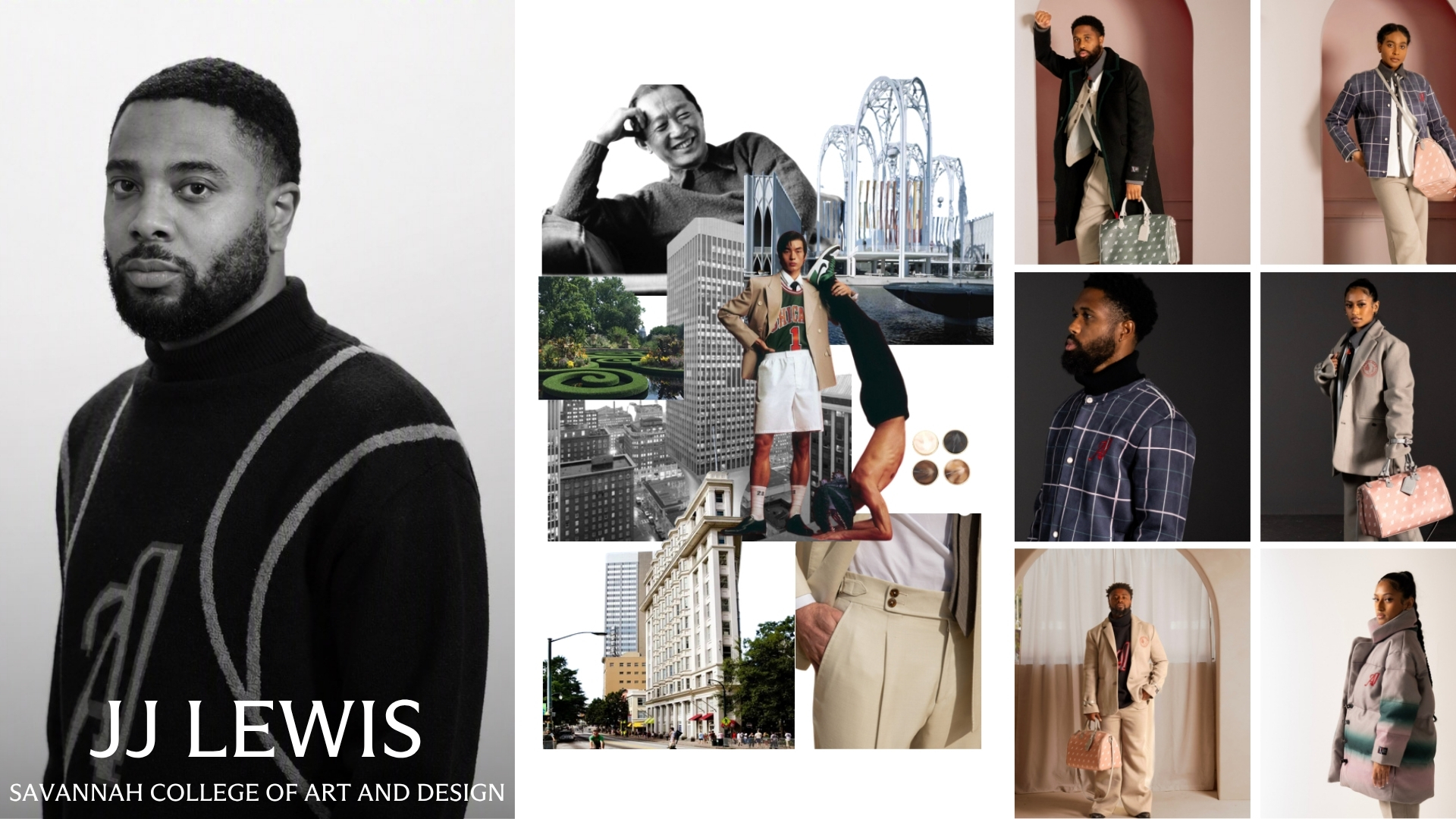
JJ Lewis
The Melvin and Monique Rodriguez Family Foundation Scholarship
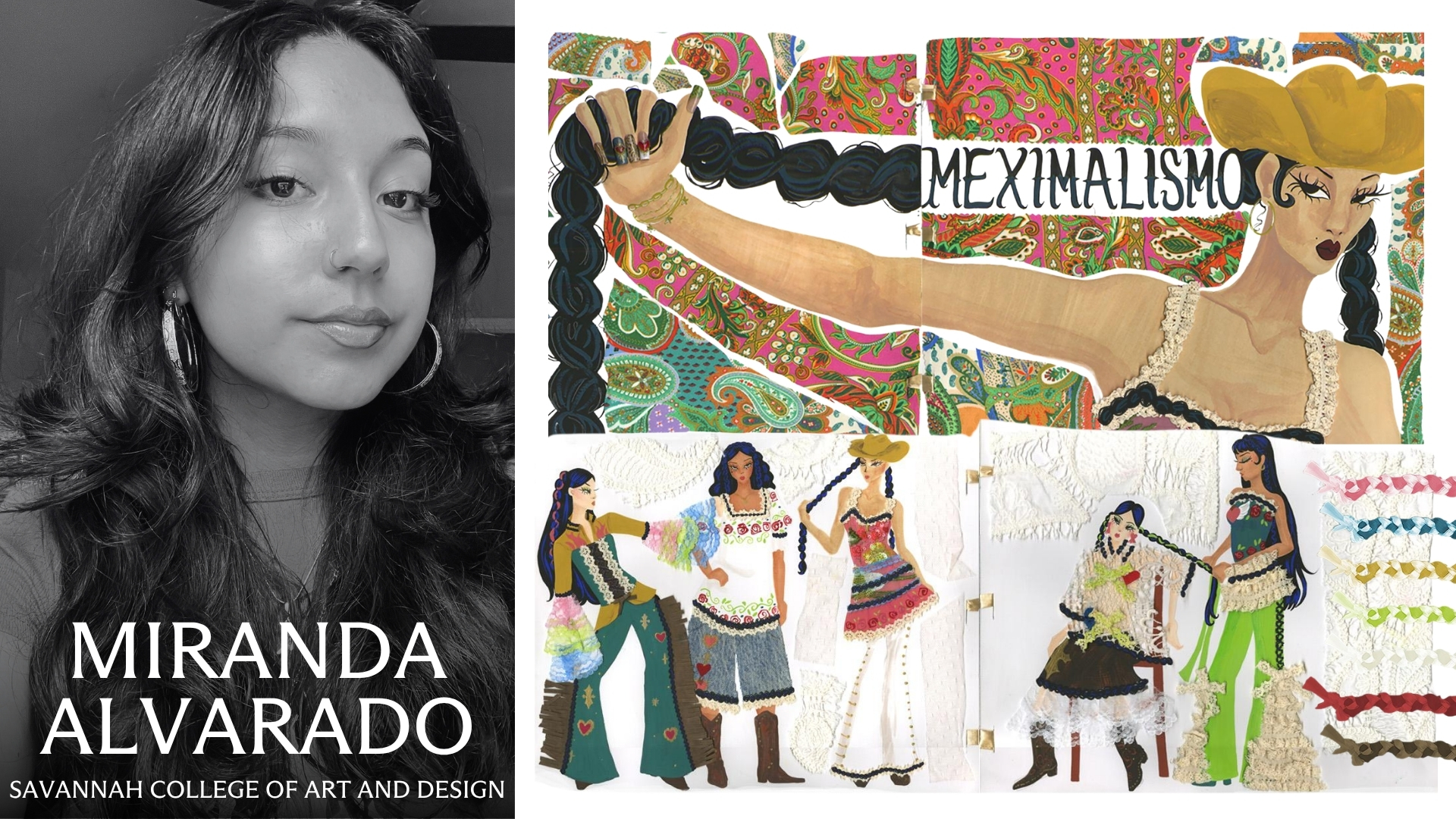
Miranda Alvarado
The Melvin and Monique Rodriguez Family Foundation Scholarship
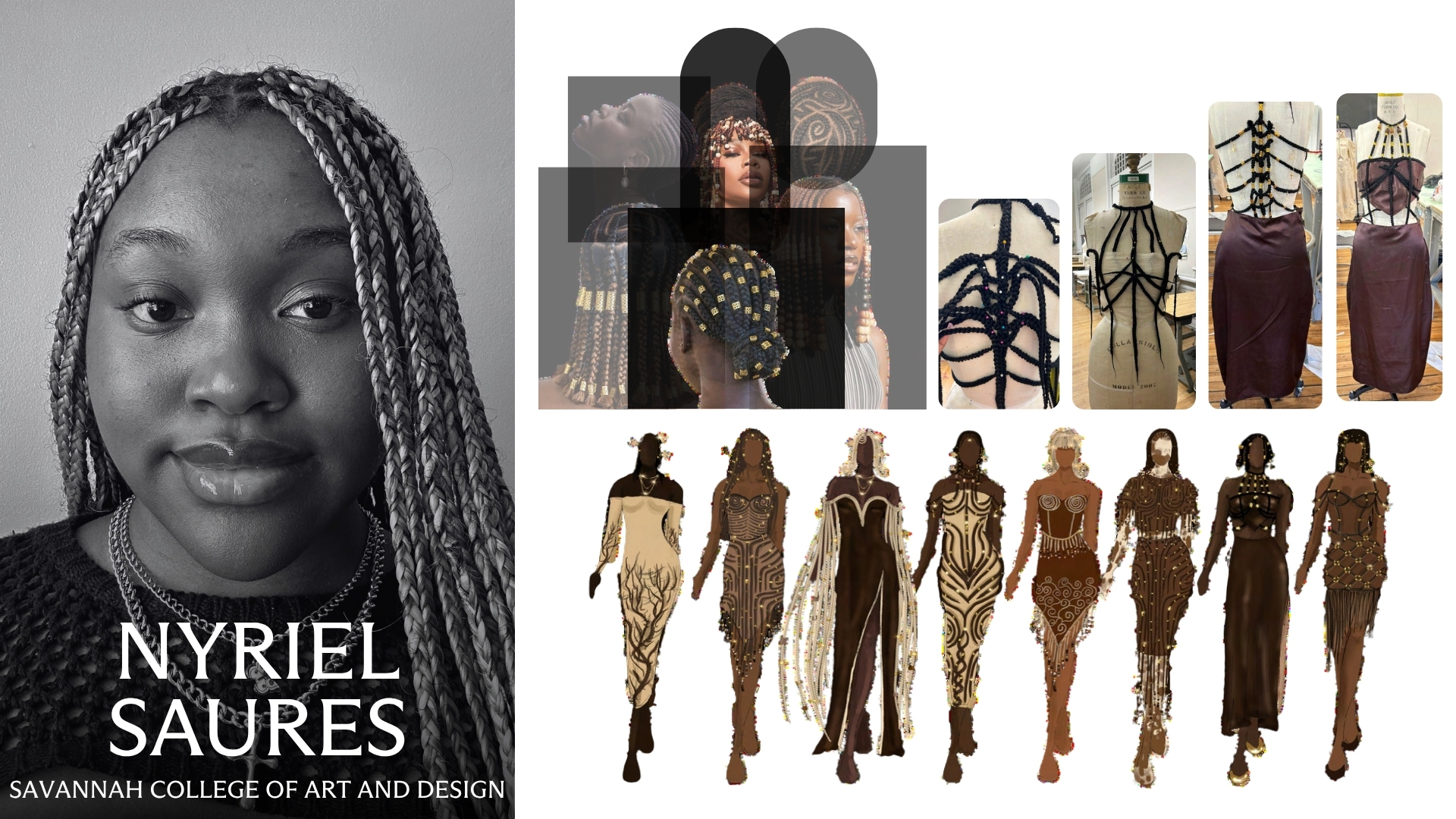
Nyriel Saures
The Melvin and Monique Rodriguez Family Foundation Scholarship
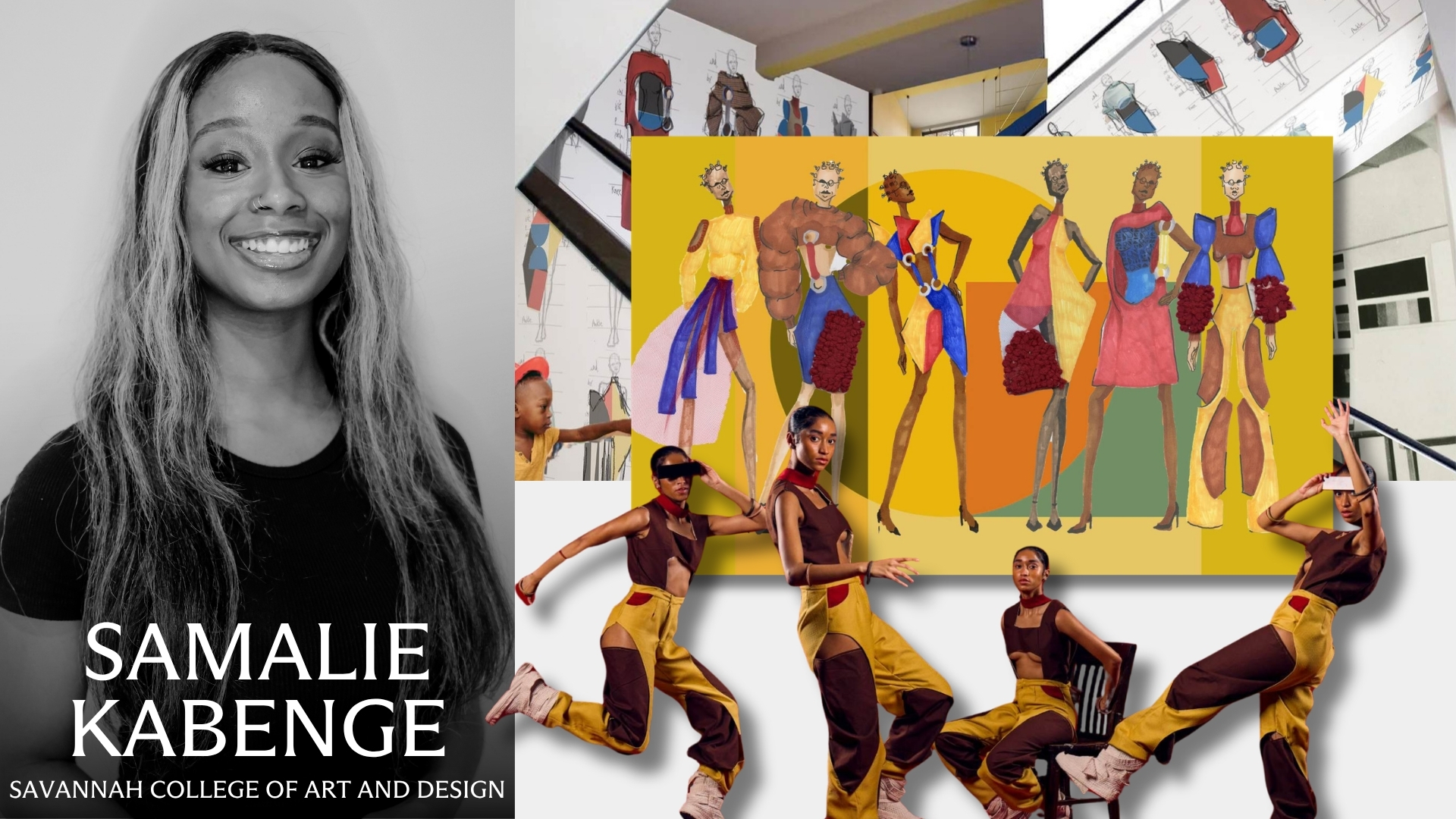
Samalie Kabenge
The Melvin and Monique Rodriguez Family Foundation Scholarship
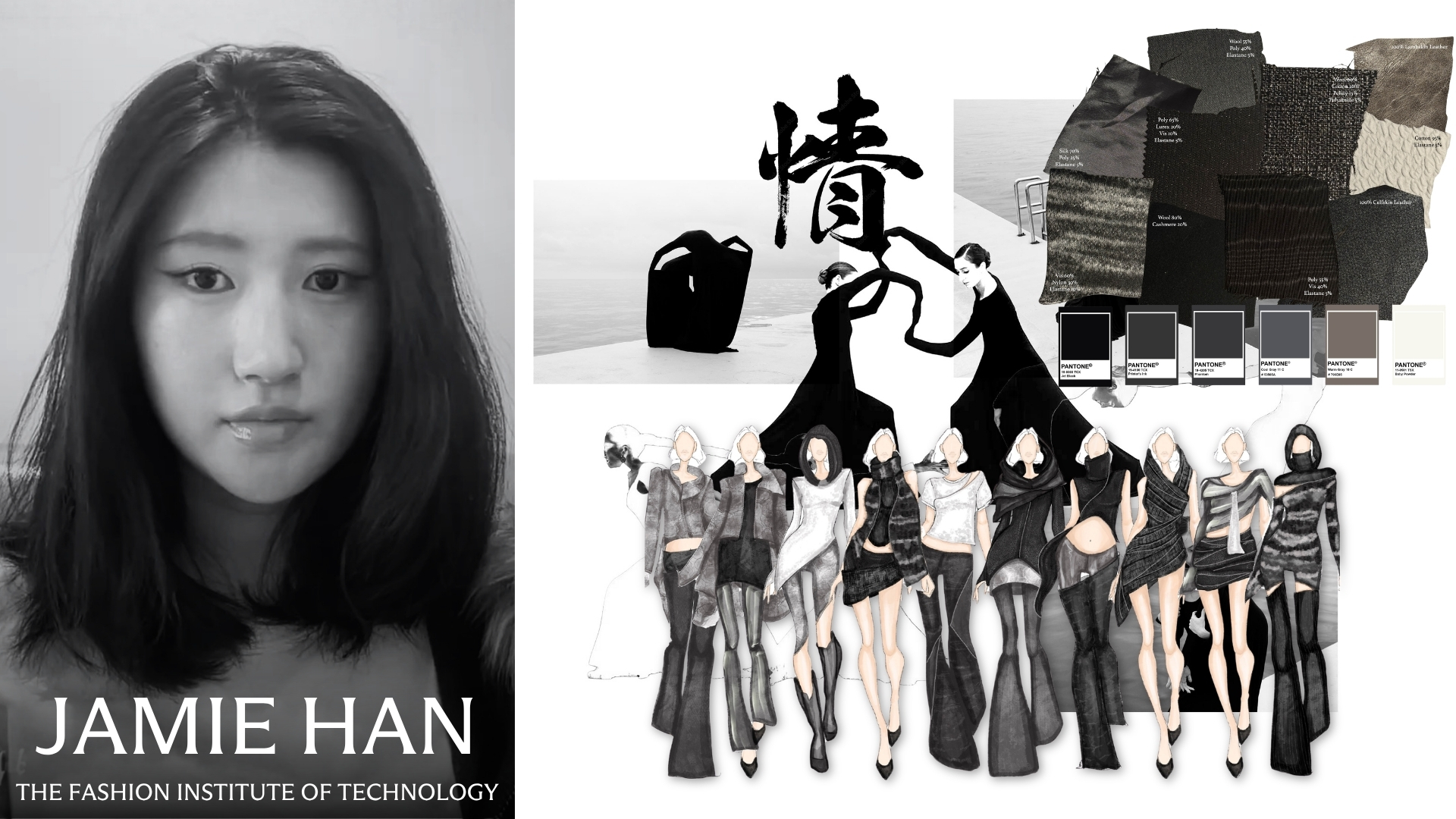
Jamie Han
The Melvin and Monique Rodriguez Family Foundation Scholarship
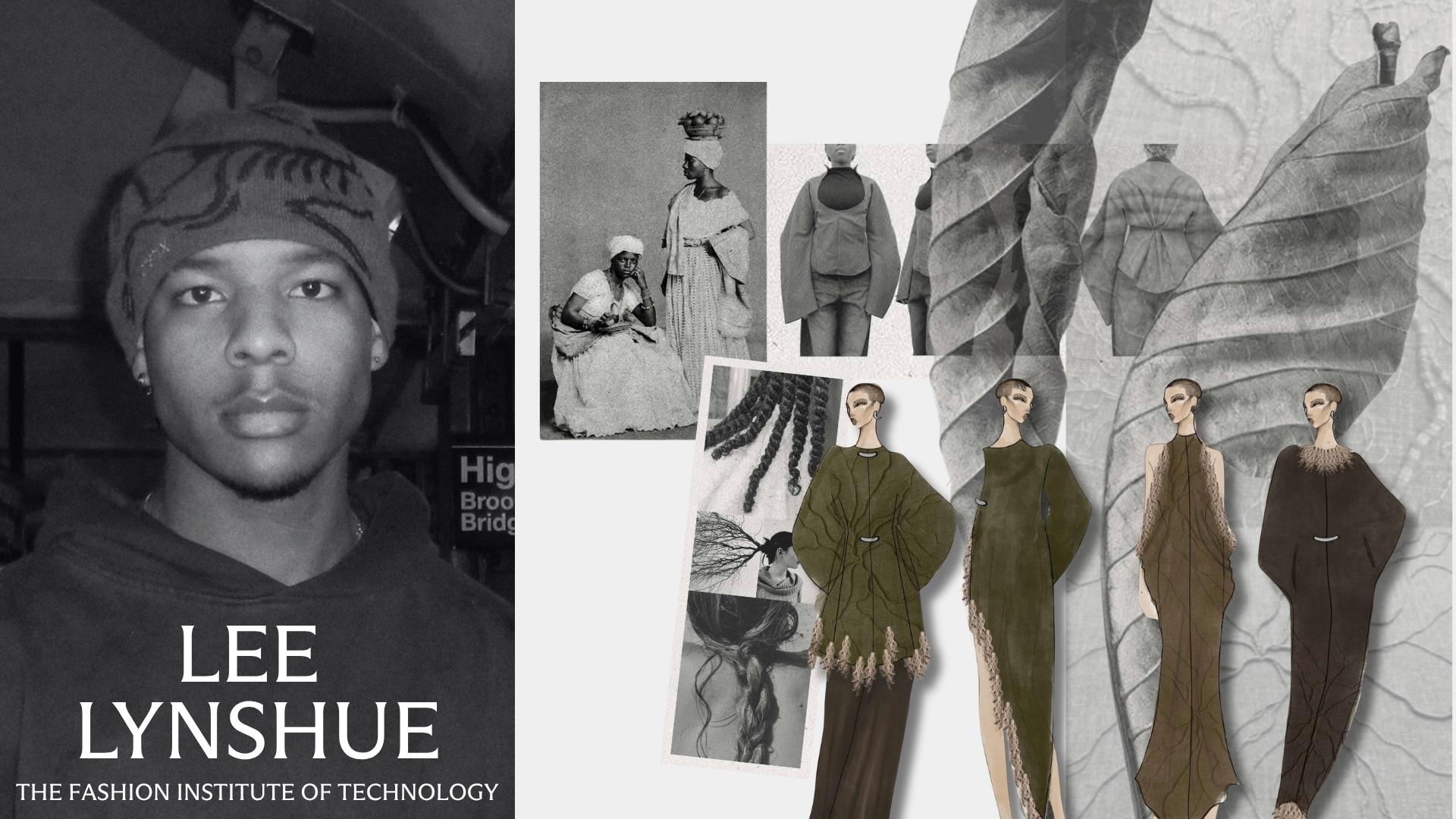
Lee Lynshue
The Melvin and Monique Rodriguez Family Foundation Scholarship
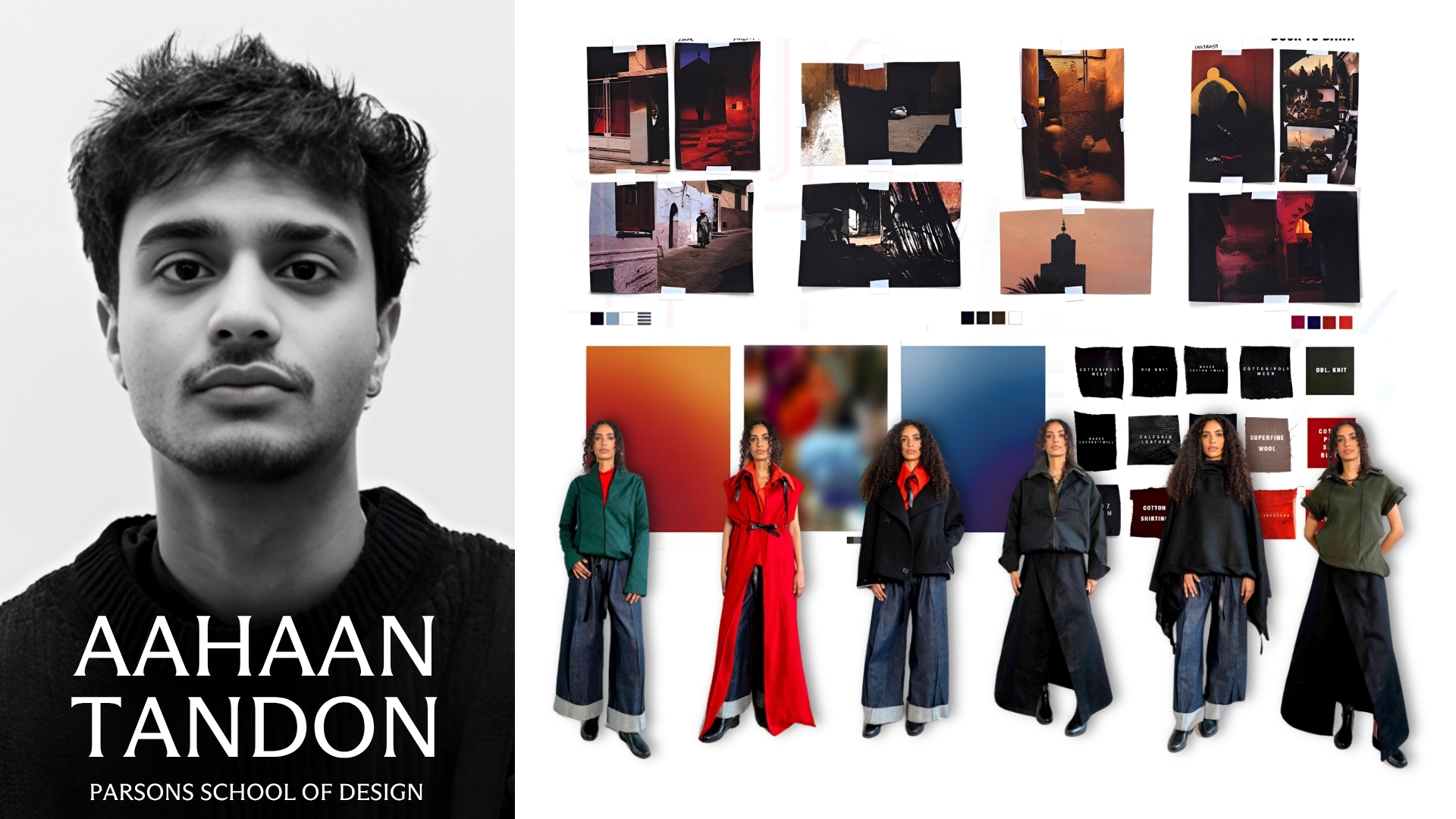
Aahaan Tandon
The PVH Foundation Runway Ahead Scholarship
Ahmrii Johnson
The PVH Foundation Runway Ahead Scholarship
Grace Gui
The PVH Foundation Runway Ahead Scholarship
Jennifer Yan
The PVH Foundation Runway Ahead Scholarship
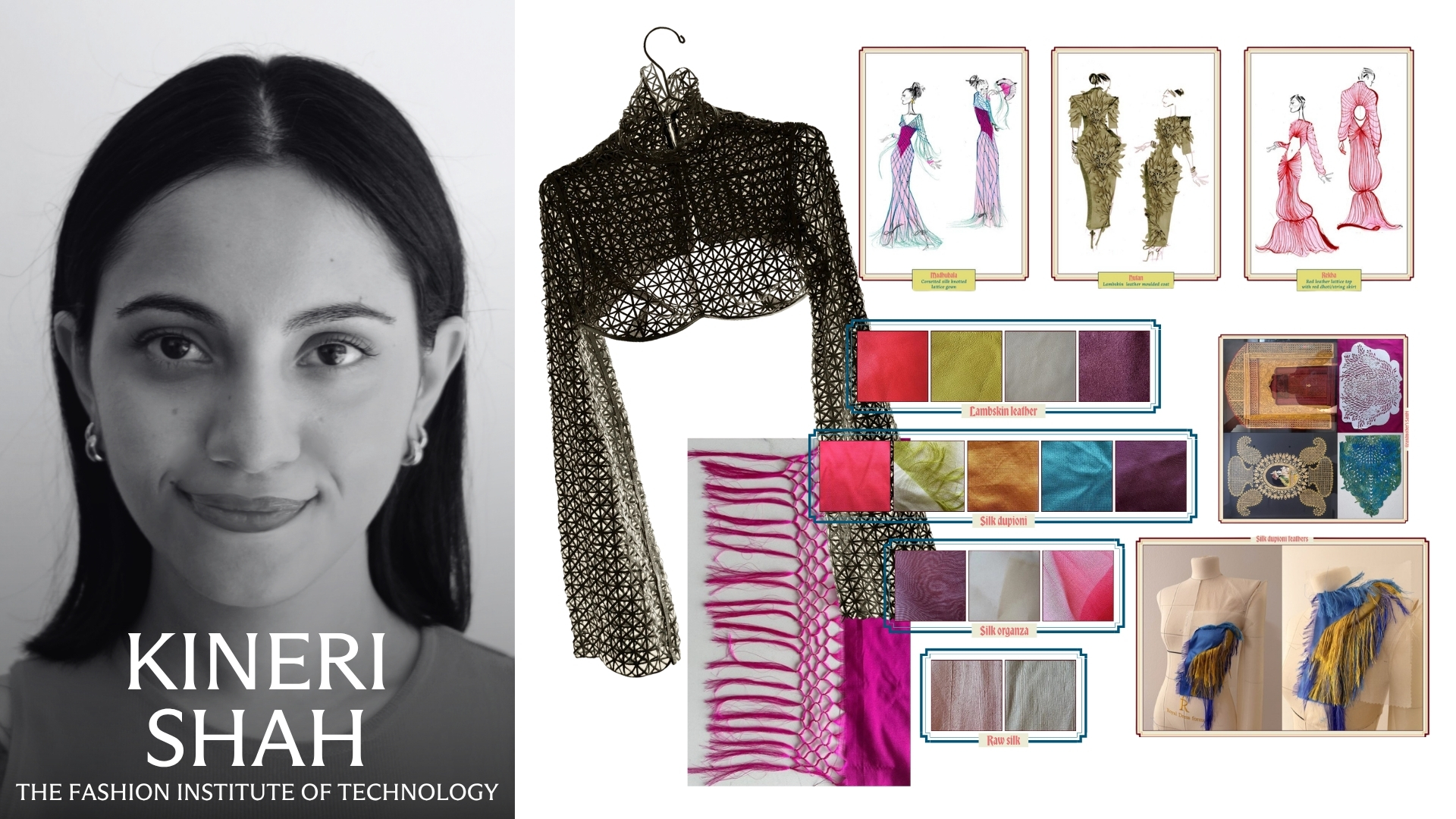
Kineri Shah
The Saint Laurent Scholarship
Alvin Wang
The Tiffany & Co. Jewelry Design Scholar Award
Jane Lee
The Veronica Beard Creative Futures Scholarship
Madison Valenta
The Veronica Beard Creative Futures Scholarship
Chris Ortiz
The Veronica Beard Creative Futures Scholarship
Summer Kubota
The Veronica Beard Creative Futures Scholarship






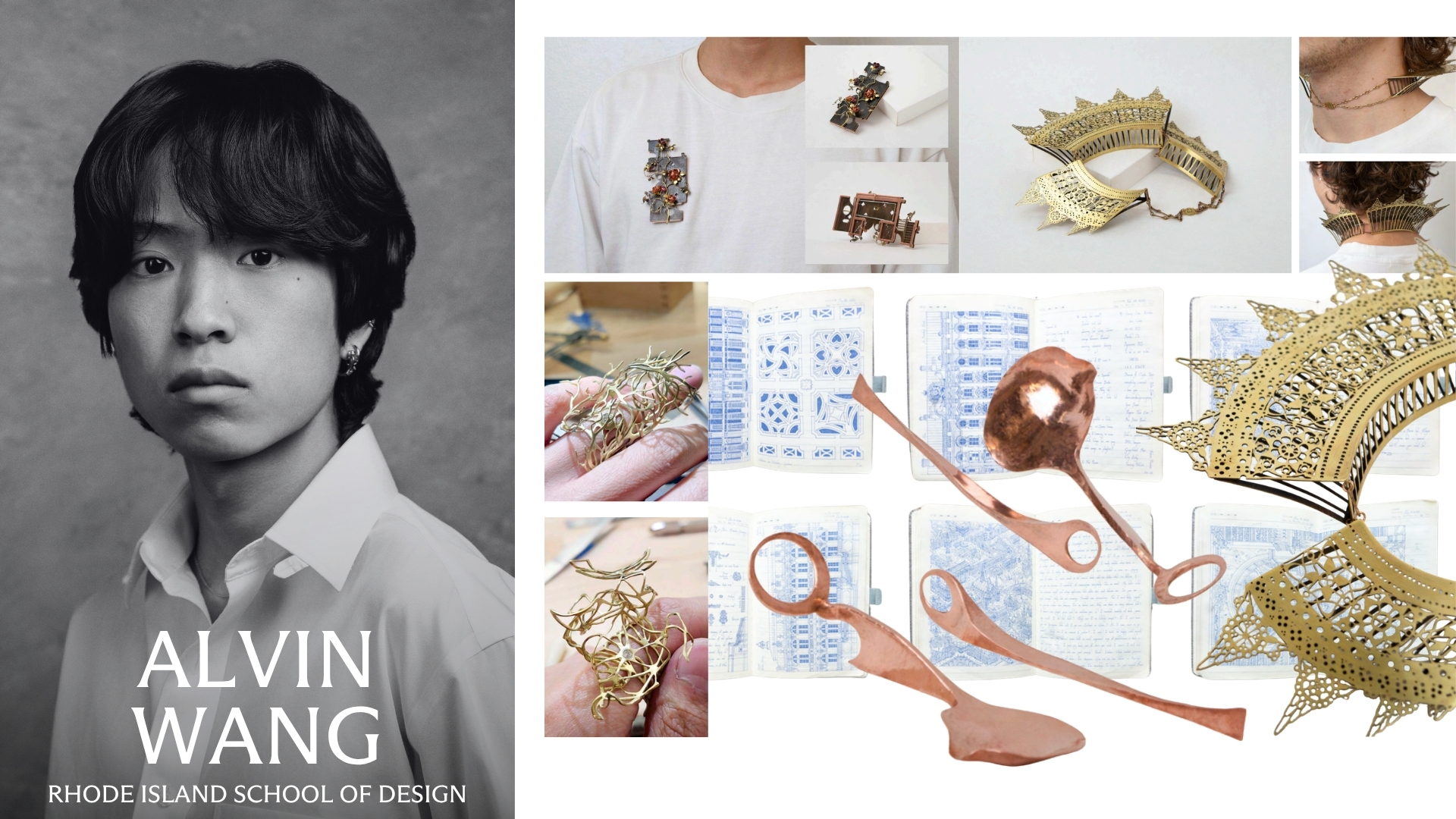


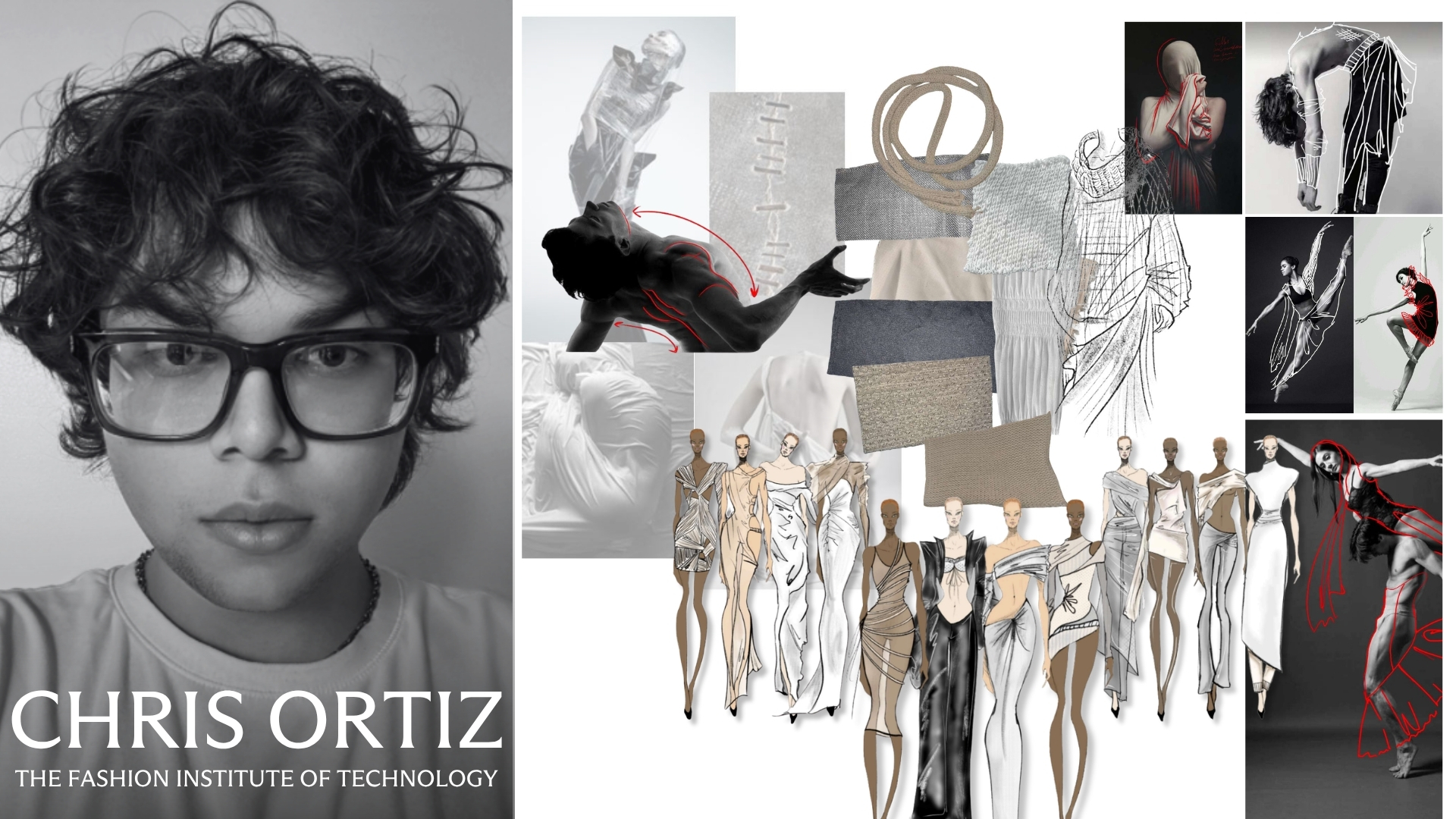

/
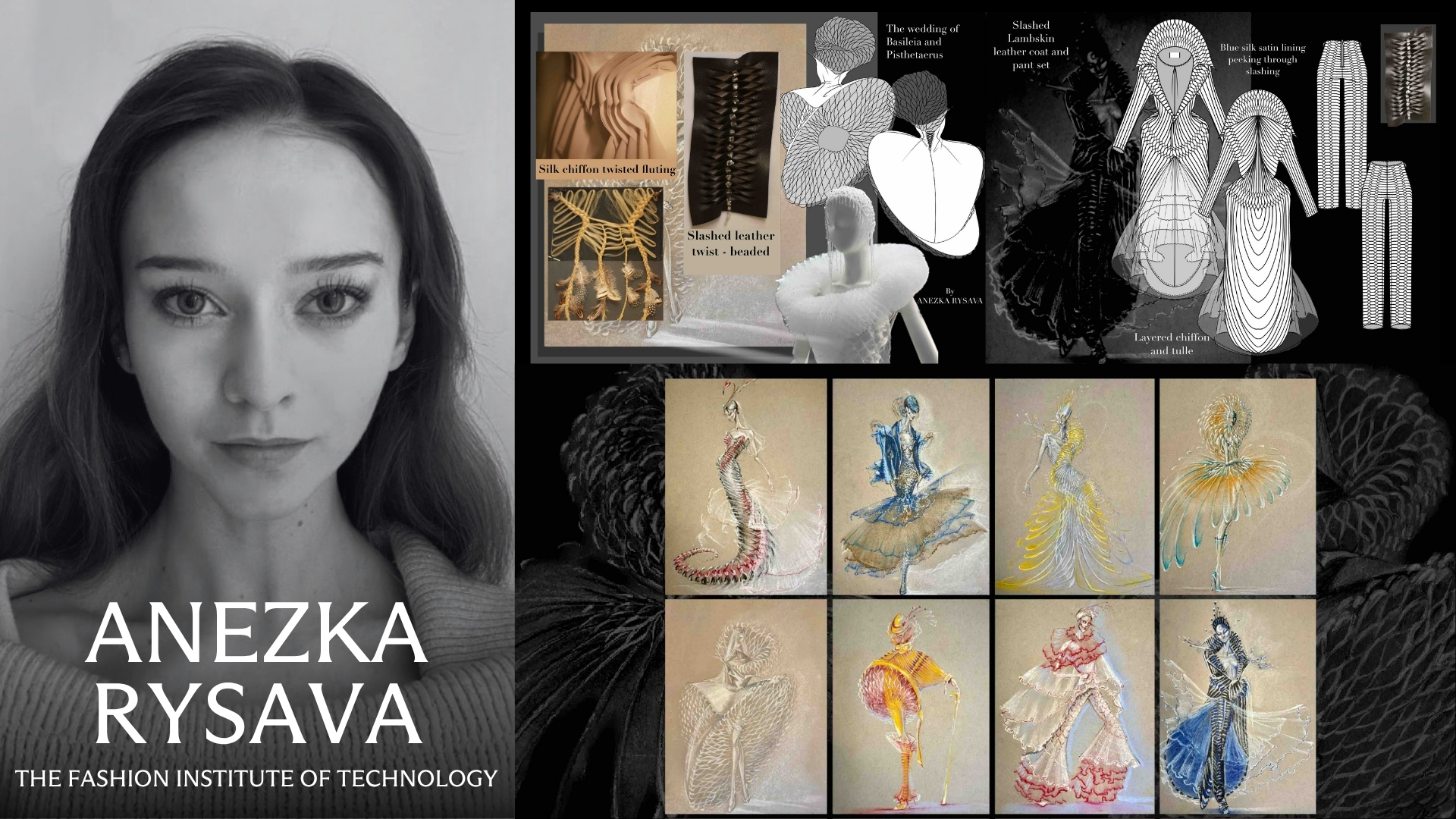
Anzeka Rysava, recipient of the Carolina Herrera Women in Design Scholarship - Luxury Craftsmanship.
News
News

Veronica Beard, Beyond the Classroom: What Our Creative Futures Scholars Learned This Summer

Celebrating the 2026 Veronica Beard x CFDA Creative Futures Scholars
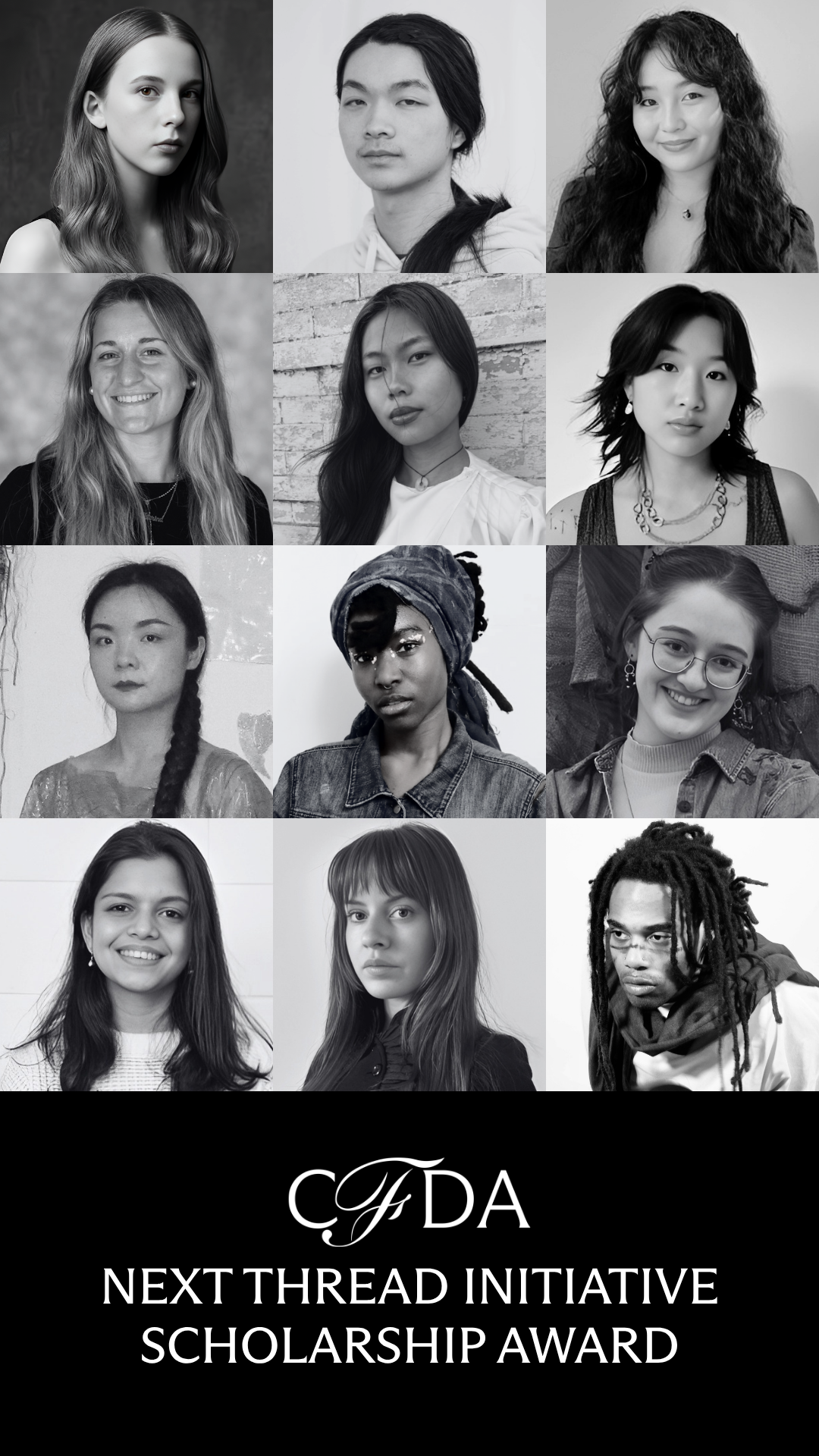
Meet the Inaugural CFDA x Bezos Earth Fund Next Thread Scholarship Recipients
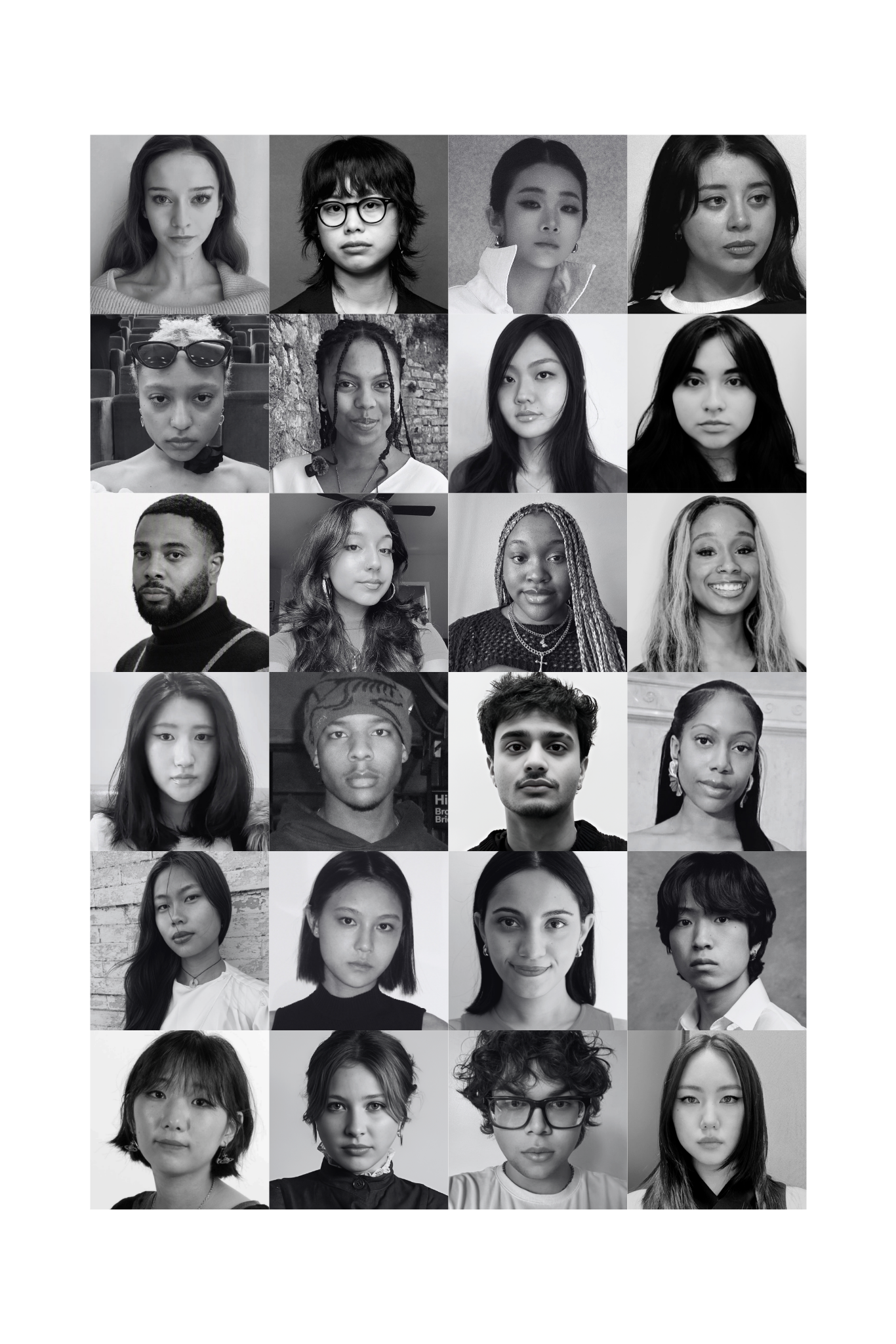
Meet the 2026 CFDA Scholarship Fund Recipients
The CFDA Launches the 2026 CFDA Scholarship Fund Application
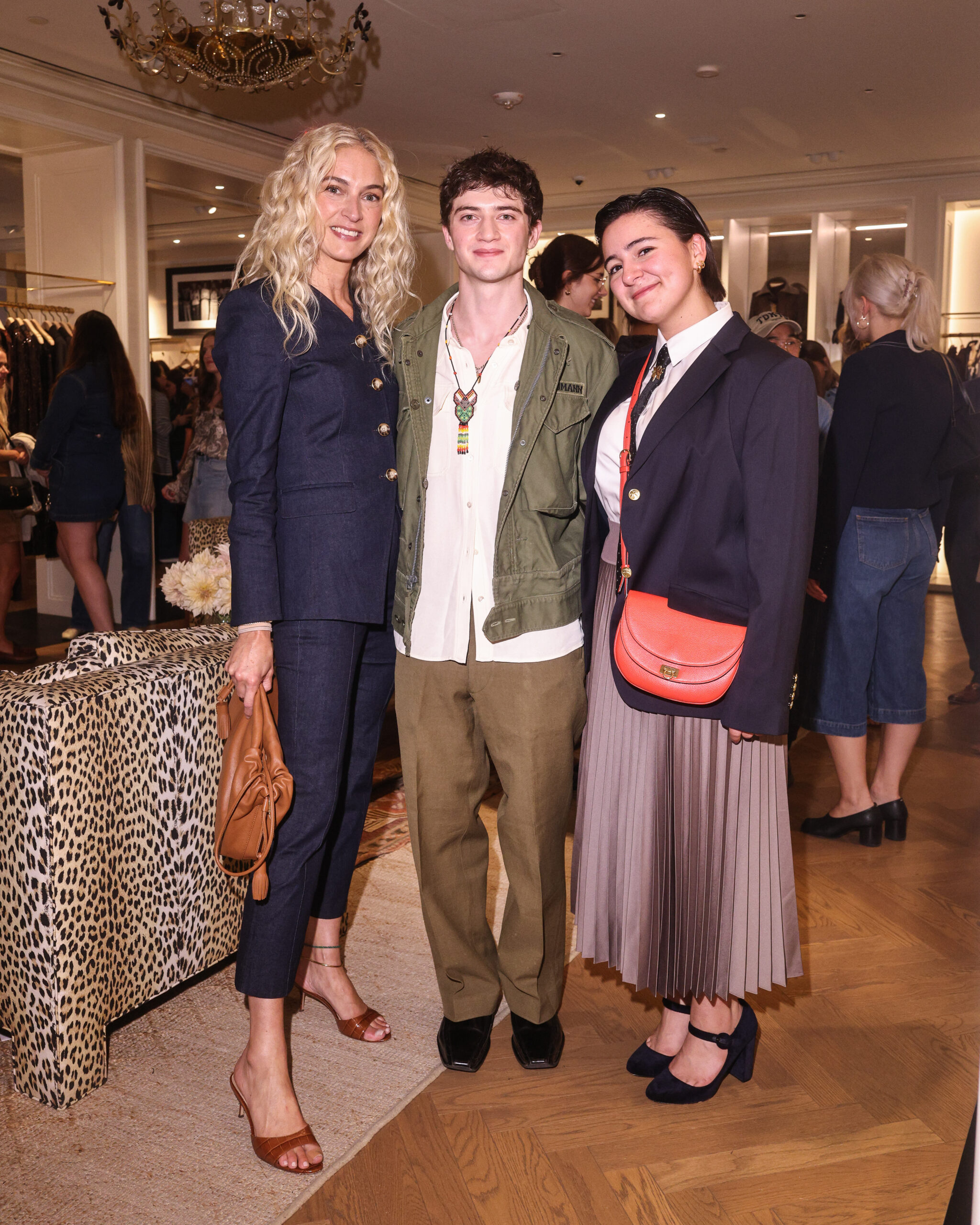
Celebrating the Veronica Beard x CFDA Creative Futures Scholars
Beyond
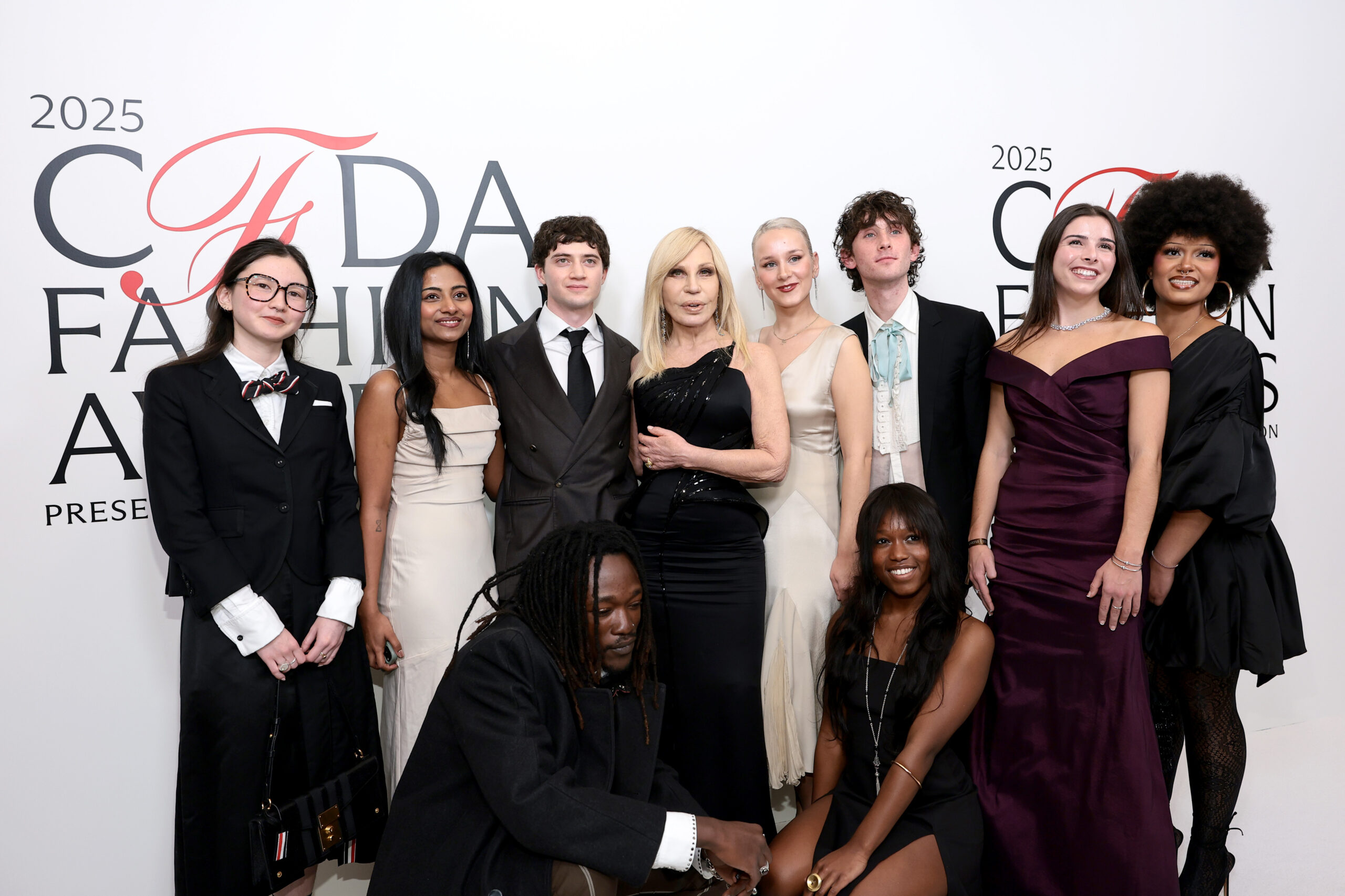
Beyond the Financial Award
Notable
Notable past recipients include:
Uyen Tran
Tômtex (2020)
Jacques Agbobly
Agbobly (2019)
Peter Do
Peter Do (2013)
Michelle Ochs
Et Ochs & Hervé Léger (2006)
Chris Benz
Chris Benz (2003)
Jack McCollough
Loewe (2001)
Peter Som
Peter Som (1996)