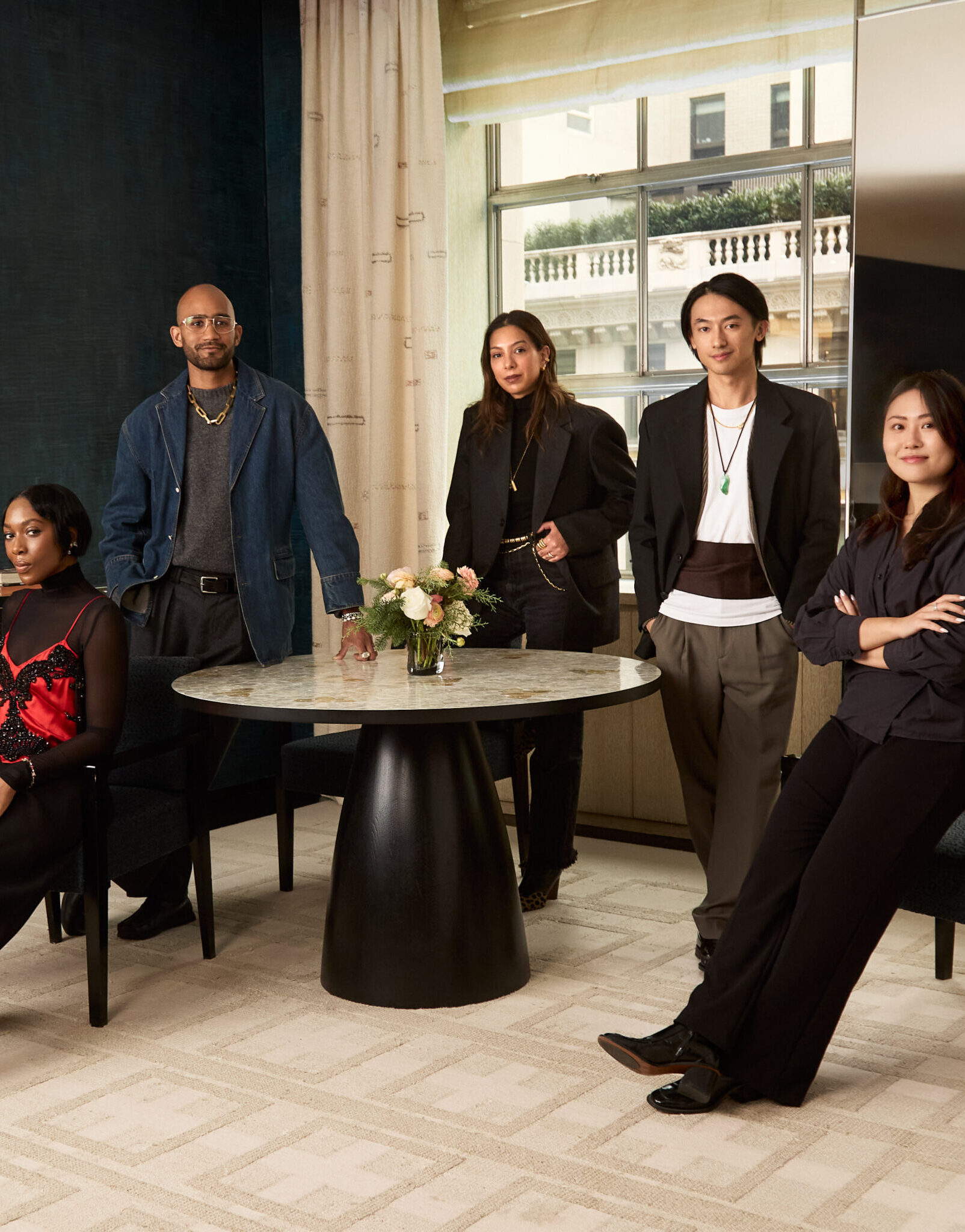
Words With (Fashion) Friends: Ade Samuel
November 16, 2026
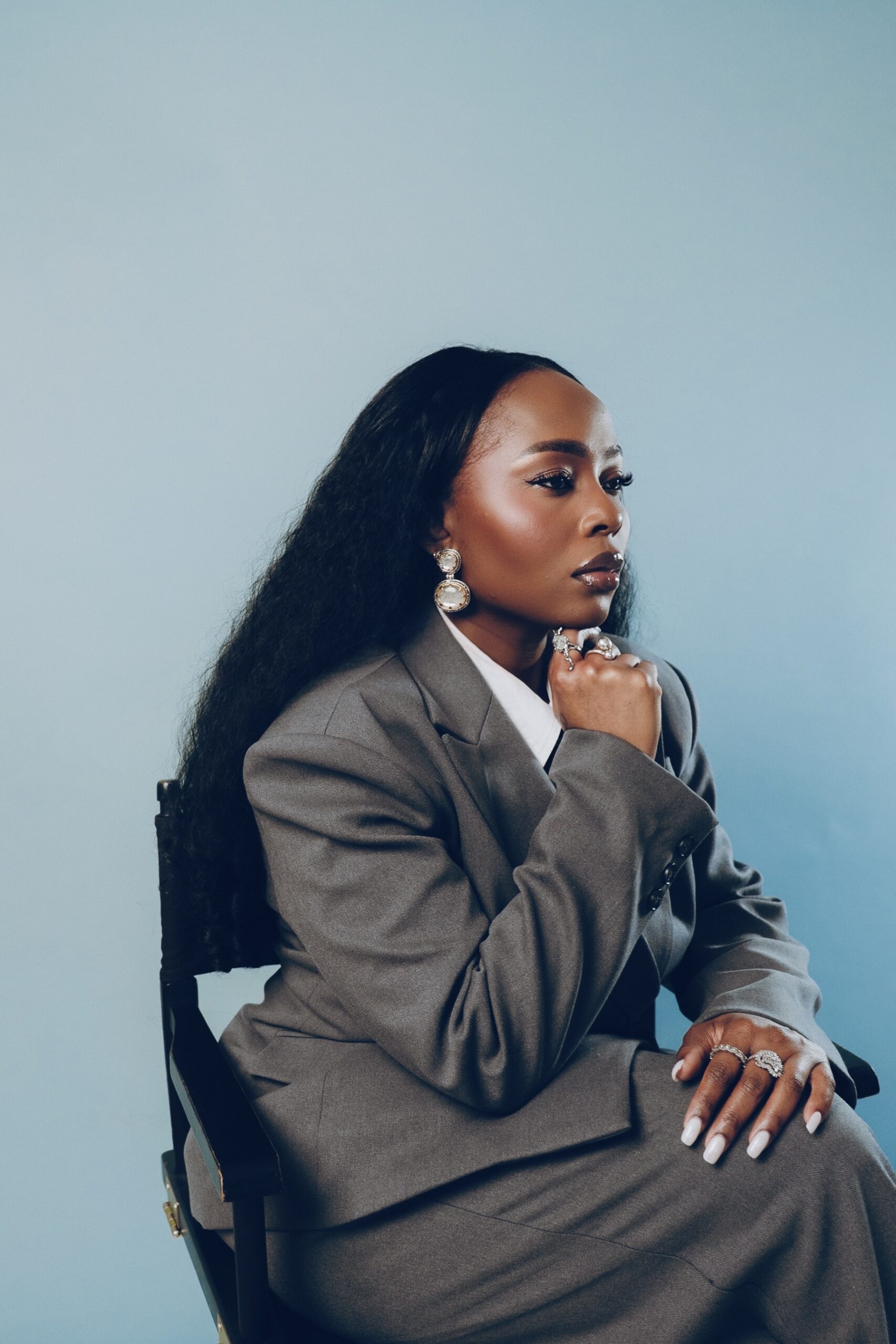
Ade Samuel has spent her career shaping the visual identities of some of the most influential names in entertainment, from Michael B. Jordan and Yara Shahidi to Kelly Rowland and Miley Cyrus.
Now, the stylist and creative director is bringing her discerning eye and instinct for discovering talent to the publishing world with OJU, a new independent magazine dedicated to the intersection of fashion, art, music, and film.
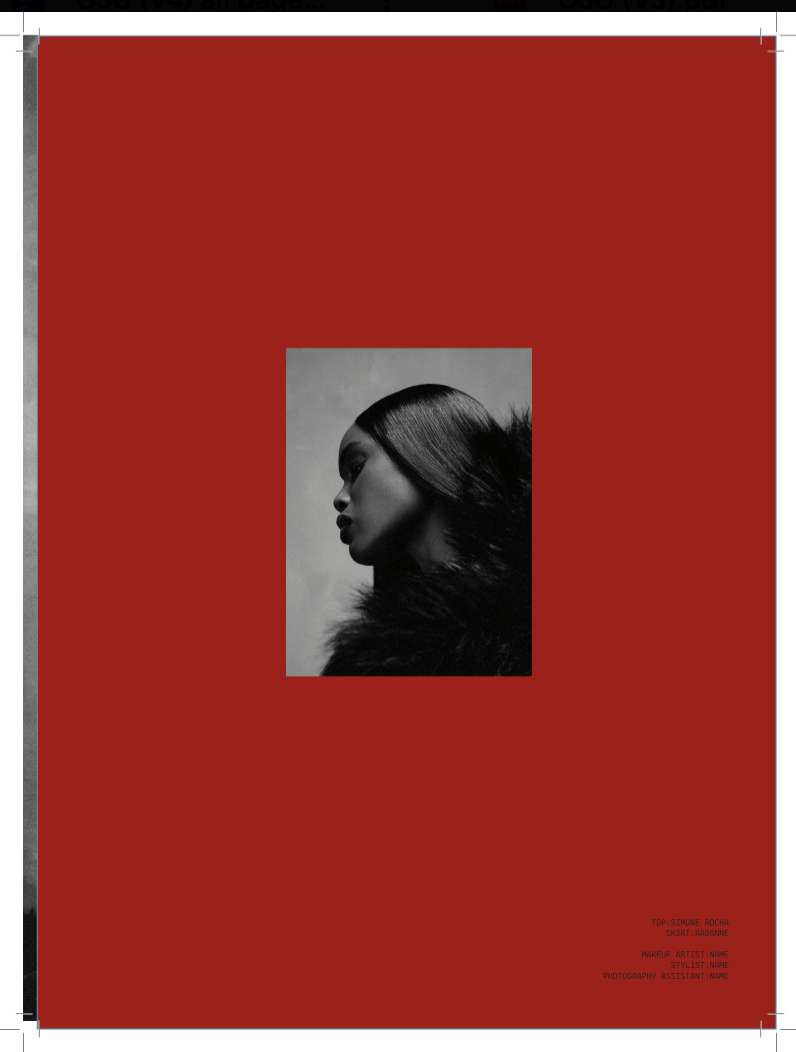
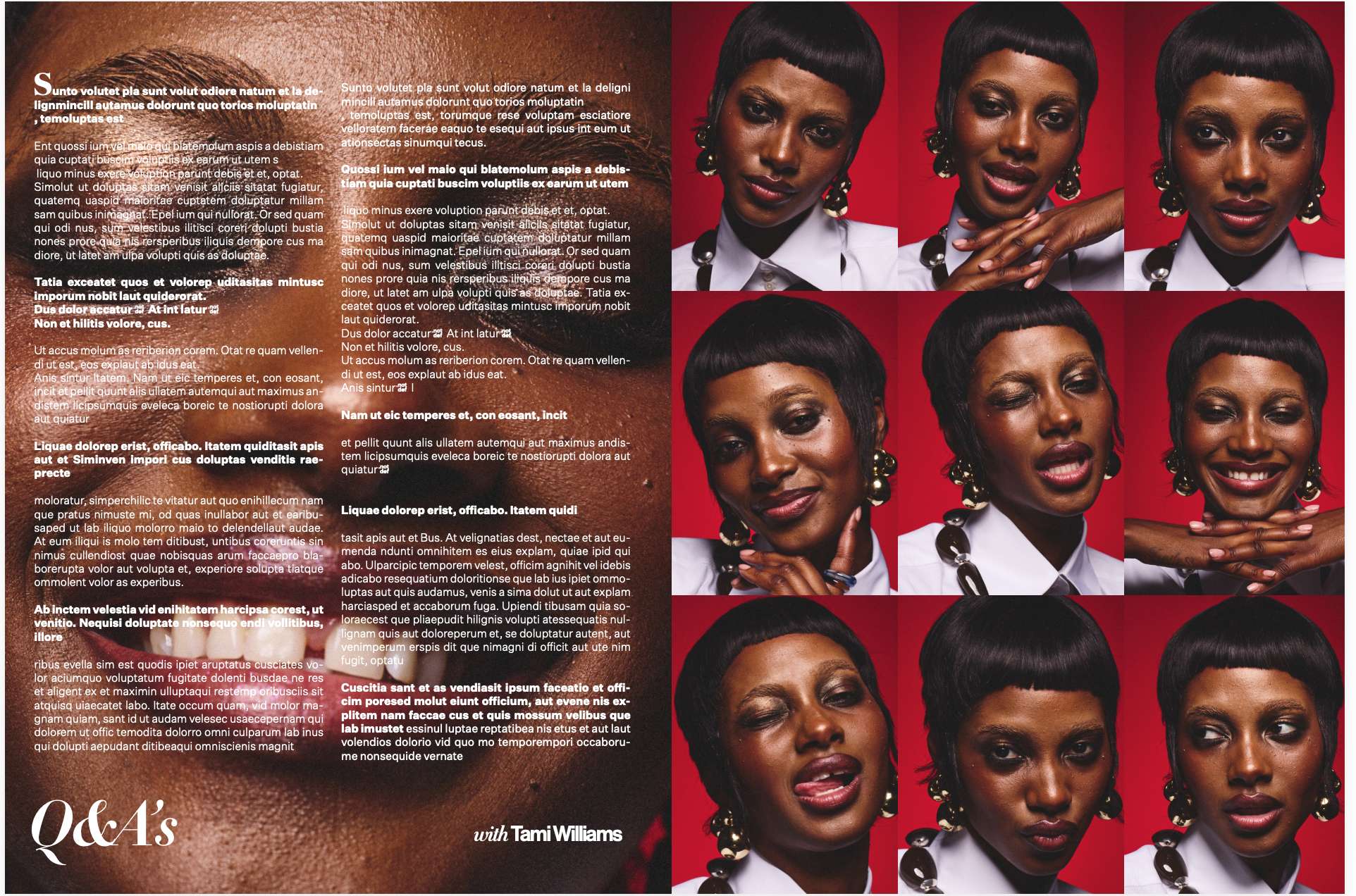
Derived from the Yoruba word for “eye” or “face,” OJU reflects Samuel’s ambition to spotlight emerging voices, explore untold stories, and document culture as it unfolds. Rooted in a diasporic perspective with a global outlook, the publication will debut in December with three collectible covers featuring Priah Ferguson, Tanerélle, and Tami Williams.
For Samuel, OJU represents a natural evolution of her creative journey and a new platform for the next generation of cultural voices.
CFDA.com caught up with Samuel to discuss her vision for the magazine, the importance of independent storytelling, and what it means to recognize creativity before the rest of the world catches on.
When and how did you discover your love for fashion and styling?
I think growing up in New York City had everything to do with it. I was such a pop culture girl. I loved music videos, movies, magazines, all of it. I would save my money just to buy the latest fashion magazines, and whenever I went into different neighborhoods, I was fascinated by how differently people dressed. You could see so much personality in the way someone layered their clothes, mixed colors, or put together a look. Then, I would spend time with my grandmother, who was a seamstress and created such elaborate and unique designs for her clients. She taught me so much about pattern-making and fabrication.
However, it wasn’t until I started working in the fashion industry that I got to see and understand what went into creating fashion and editorials. I was blessed to work with different creatives to bring their visual ideas to life, whether for a red carpet premiere, a movie, or even a music video. What I loved most, though, was the reaction I got when I styled celebrities. Seeing a person look in the mirror and genuinely love how they looked, or feel confident wearing something they might never have chosen for themselves, was such a great feeling. I remember thinking, wait, I can actually do this for a living? That’s when it all started to make sense to me.
Looking back on your career, what have been some of the highlights? What challenges have you encountered?
I think some of my biggest highlights have been styling incredible talent and watching those looks take on a life of their own. I remember creating looks that went viral, sparked conversations, and even challenged how people thought about styling. Sometimes it was one unexpected choice that got people talking, and I was always fascinated by that. Those memories are really special to me because I knew how much thought went in many looks before a client hit the red carpet. But I also think about the relationships I built along the way, the people who trusted my eye, and the creative expressions I was able to share. Those experiences will always be dear to me.
When I transitioned into Hollywood red-carpet styling, it was a very different environment from the fashion world I had experienced in New York. There were incredible Black women who had already made such an impact on fashion, especially through music and entertainment, but when it came to dressing actors and actresses for major Hollywood red carpets, I didn’t see many women who looked like me being given those opportunities or that level of recognition. It was a space that felt incredibly difficult to break into, and even once I was there, I constantly felt like I had to prove myself. I remember the rejection, the challenges of getting designers to loan clothes for Black talent, and sometimes just feeling that my ability was being questioned before anyone had really seen what I could do. I was creating work I was proud of, but behind the scenes, it could be exhausting. Over time, I started asking myself whether I wanted to continue working in environments where I had to fight so hard just to be respected. That played a part in my decision to step away from that side of the industry and reconsider where I wanted to put my creative energy.
What advice do you have for those who want to work in fashion?
I would say stay curious, be willing to learn, and don’t be afraid to start somewhere. Fashion has changed so much, and with social media, there’s an incredible amount of access and inspiration at our fingertips. But I think it’s important to experience the industry beyond a screen. Get hands-on experience, build genuine relationships, and learn as much as you can from the people around you. Also, don’t feel pressured to have everything figured out or to follow one particular path. There are so many ways to work in fashion today. Find what genuinely interests you, develop your own perspective, and be open to where that might take you.
Tell us about OJU and the ethos behind it.
OJU is an independent print and digital magazine I founded with a focus on global culture. We call it THE EYE OF GLOBAL CULTURE, and the name OJU actually means “eye” in Yoruba. I wanted to create a magazine that reflects how I naturally experience the world, where fashion, music, art, and culture are constantly influencing one another.
We explore those connections through three pillars: SOUND, VISION, and THOUGHT.
For me, it’s about being curious, discovering incredible creative voices, and understanding the people, ideas, and cultural experiences behind their work.
Our ethos is really simple: Discovery that leads to understanding. I love the idea of someone picking up OJU and being introduced to an artist, musician, designer, or perspective they might not have encountered otherwise. We’re especially interested in celebrating creative talent across Africa and its diaspora while staying engaged with the larger global conversation. I want the magazine to feel visually exciting, thoughtful, and accessible, but also give people something to spend time with. There’s so much we’re exposed to every day, and I think there’s real value in taking a closer look, asking questions, and developing an appreciation for what we discover.
What inspired you to start a magazine?
I’ve always had a love for magazines. I loved discovering new designers, photographers, artists, and creatives. Then I ended up working at a magazines like W, CR Fashion Book and Teen Vogue, assisting incredible editors and stylists, and eventually building a career where I was styling covers and editorials for publications like Paper, Ebony, GQ and Essence. I also had the opportunity to return to Teen Vogue in 2023 as the creative director for the “Africa’s New Wave” covers, photographed by Stephen Tayo which was such a full-circle moment for me. So I’ve experienced magazines from so many different sides, and I think that’s always stayed with me. I love the process of discovering talent, developing an idea, and seeing how photography, fashion, and writing can come together to tell a story.
But transparently, I was also at a point in my career where I knew I wanted to pivot creatively. I had spent years styling, and while I loved that work, I didn’t want it to be the only thing I did for the rest of my career. I was watching the industry change, especially with the rise of digital media, social platforms, and how quickly we were consuming everything. And I kept thinking about what I wanted to contribute to that conversation. I wanted to create something that felt personal to me, where I could have a greater role in shaping the stories, discovering new voices, and exploring my interests beyond fashion. It’s interesting because at a time when everything is becoming increasingly digital, I found myself wanting to create something tangible again. OJU became that opportunity for me. It wasn’t about walking away from styling; it was about giving myself the freedom to evolve and build something of my own.
What void, in your view, does OJU fill in the print world?
I think there’s room for more perspectives in publishing, especially from people who have experienced different cultures and creative communities firsthand. There are so many incredible magazines out there, and I’ve been fortunate enough to work with and learn from some of them. But equally, I know how much talent and interesting stories exist beyond the names and places we constantly see being covered. I wanted OJU to be a space where we could introduce readers to those voices and give their work the attention it deserves.
I’m especially passionate about the creativity coming from Africa and the diaspora, but I don’t want OJU to be limited to one identity. It’s about global culture and recognizing how connected we all are through art, fashion, music, and ideas. I think what makes a magazine interesting is its point of view, and that’s what I hope OJU contributes. A fresh perspective, a genuine sense of curiosity, and stories that make people want to discover more.
What’s next for you?
Right now, I’m really focused on building OJU and seeing how far we can take it. Launching an independent magazine has been an entirely new experience for me, and I’ve loved learning all the different sides of publishing, from developing stories and working with writers to collaborating with photographers and artists. It’s challenging, but it’s also been incredibly rewarding to create something from the ground up.
Beyond the magazine, I definitely want to continue exploring different areas of visual storytelling. I’d love to direct films, work on more visual projects, and continue finding ways to bring my ideas to life through different mediums. Styling will always be part of who I am, but I think one of the biggest things I’ve learned over the years is that you don’t have to stay in one lane simply because that’s where people know you. I’m really enjoying this chapter of my career, and I’m excited about the possibilities ahead.
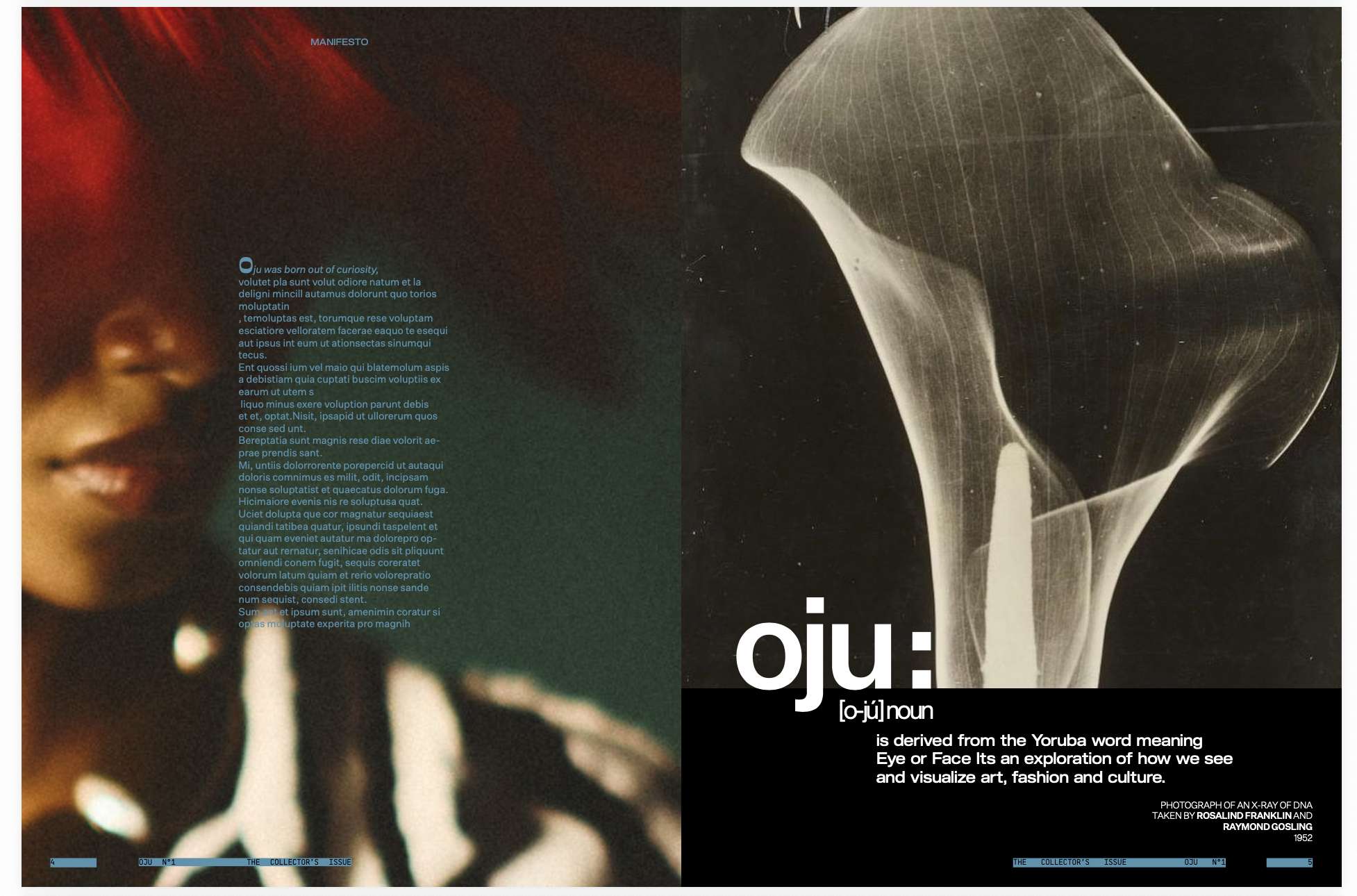
Photos courtesy of Ade Samuel & OJU Magazine.