Skip to content
Black History Month

The Origin of Cool: Innovation Without Margins

February 23, 2026

Melquan Ganzy
Carol Tulloch’s “The Birth of Cool” explores how Black style informs identity and moves across borders as a shared visual language rooted in history.

Cool is not a trend. It is inherited, interpreted, and carried forward, from 1960s portraits of Malick Sidibé, now on view in “Ideas of Africa: Portraiture and Political Imagination” at Museum of Modern Art in New York, to the everyday styling that continues to shape global fashion.

Kimberly Jenkins, Founder of the Fashion and Race Database, noted that “fashion has long benefited from Black genius while minimizing its architects. Figures like André Leon Talley expanded fashion’s intellectual and cultural scope, yet their influence is often sidelined. Black presence in fashion represents innovation and authorship across design, publishing, styling, photography, education, and curatorial work.”

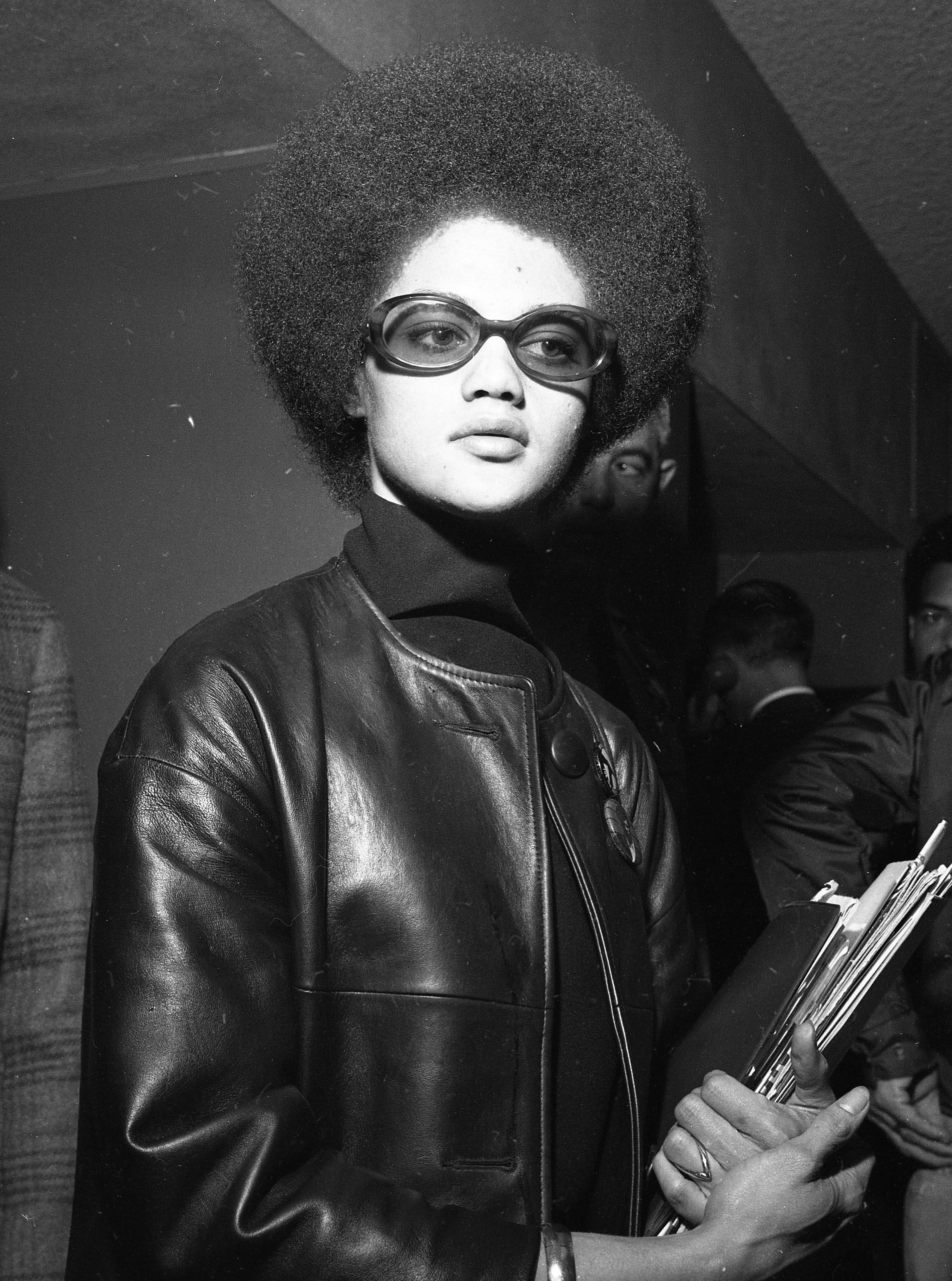
Black Panther Kathleen Cleaver, the wife of Black Panther minister of information Eldridge Cleaver, in Oakland, 1968.
Global fashion has long been shaped by Black aesthetics across the African diaspora.

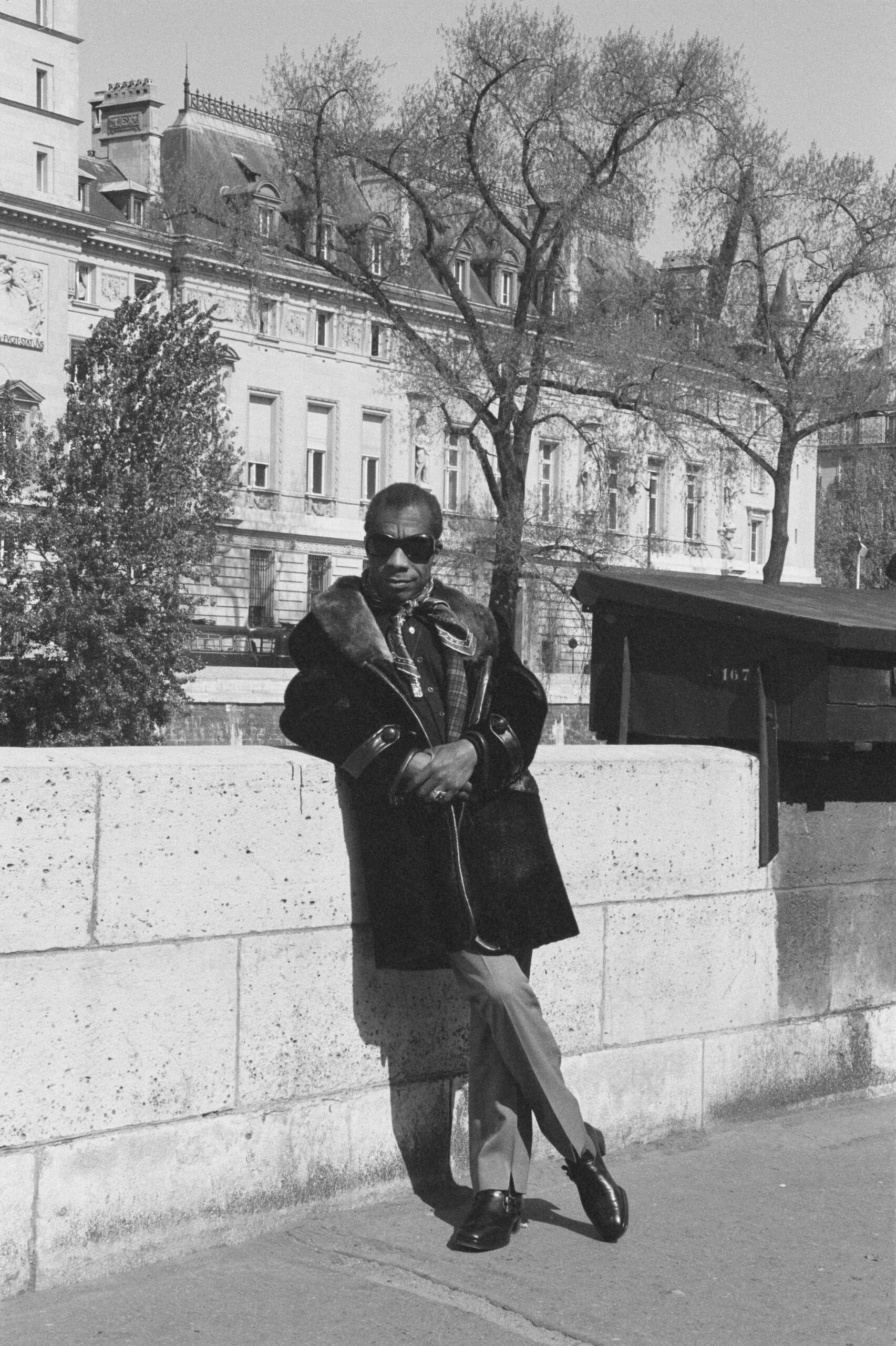
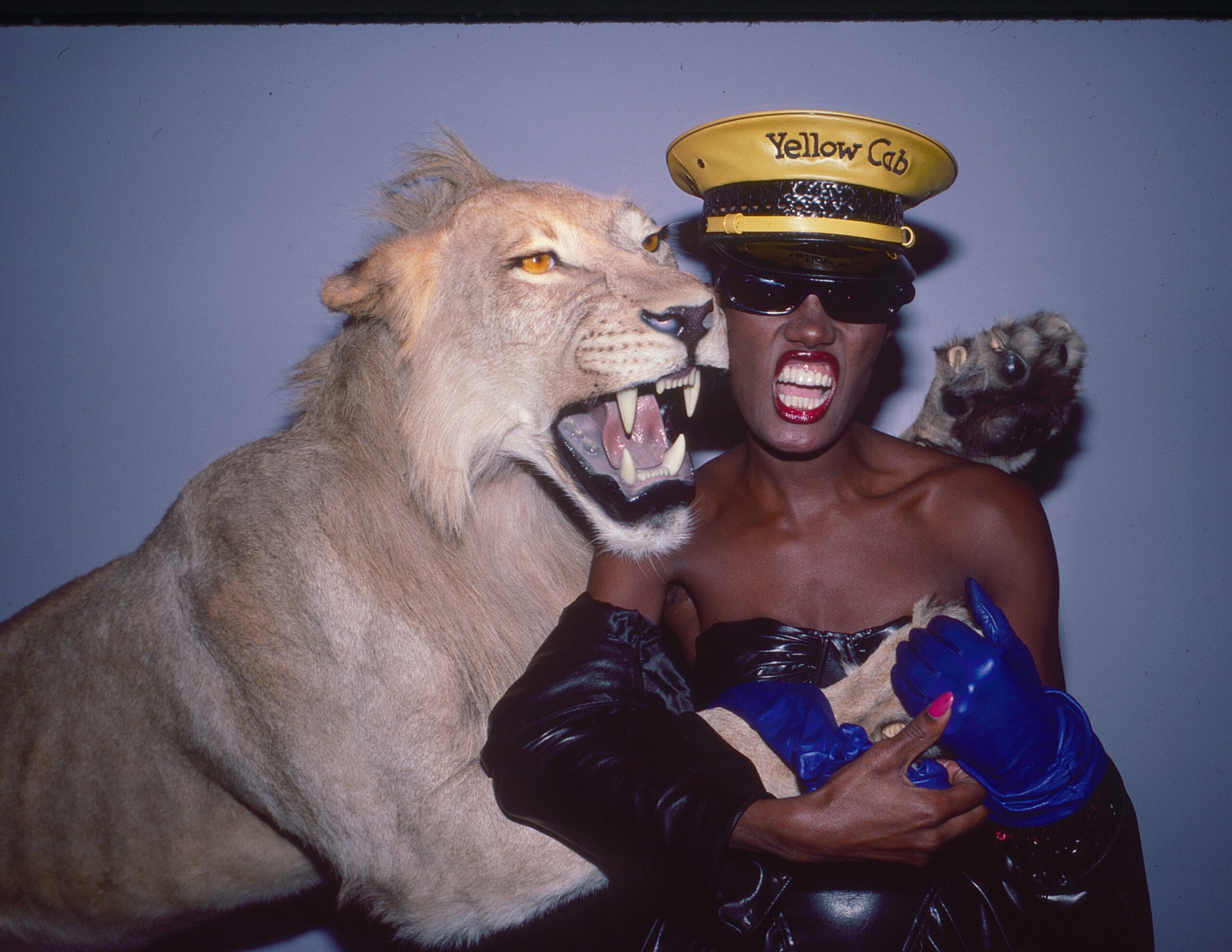
In America, cool has always carried rebellion. It pushes past expectations and refuses confinement. It is standing for something and refusing to fall for anything like Kathleen Cleaver. It is the intellectual sharpness of James Baldwin and the steady composure of Barack Obama, presence as power, restraint as statement. It is the bold refusal to shrink, the confidence to stand fully as oneself, as Grace Jones, the avant-garde icon, has long embodied.

Grace Jones poses with a lion at the Area nightclub in 1984.
As Jenkins put it, “Cool is composure under heat, the ability to confront adversity without surrendering self. Throughout the 20th century, Black Americans used style — sunglasses, leather, hats, denim, sequins, bold color, as visible declarations of pride and power.”

Cool is not accidental. It has never been confined to one particular Black person or to a single space, whether hip-hop, ballroom, or any arena pioneered by Black people. We are not monolithic, and we were never created to perform a single script. Too often, our expression has been projected onto, misunderstood, reduced, and commodified, rewarded when it fits a narrow frame and questioned when it expands beyond it. Yet Black presence itself is an act of resilience, authorship, and global impact.

Around the world, we have elevated fashion into a storytelling tool, one that communicates healing, joy, and imagination. Our style is not spectacle. It is self-definition. It is discipline. It is a legacy. And it continues to shape the world not because it is consumed, but because it is created, protected, and carried forward by us.

Kendall Bessent Black History Month

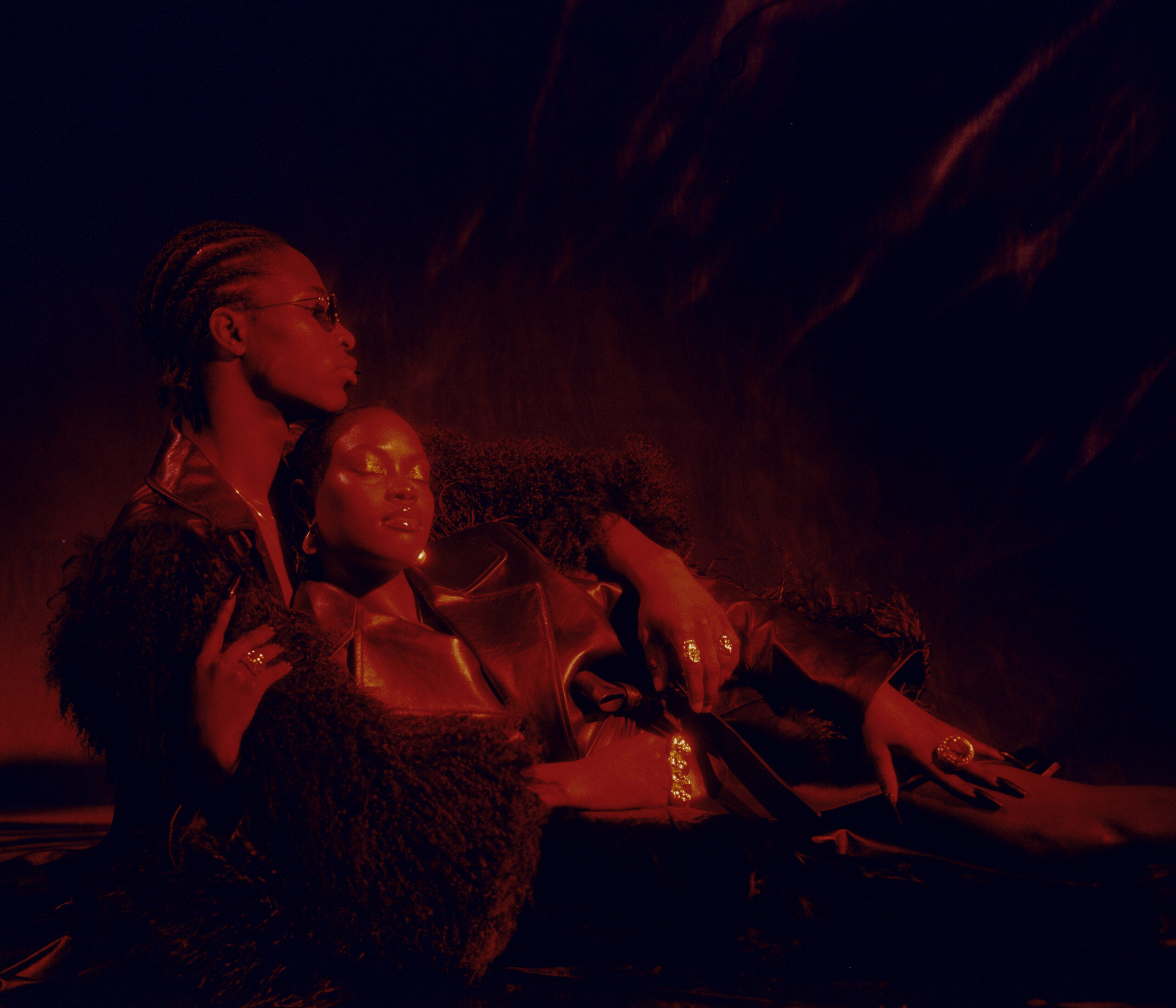
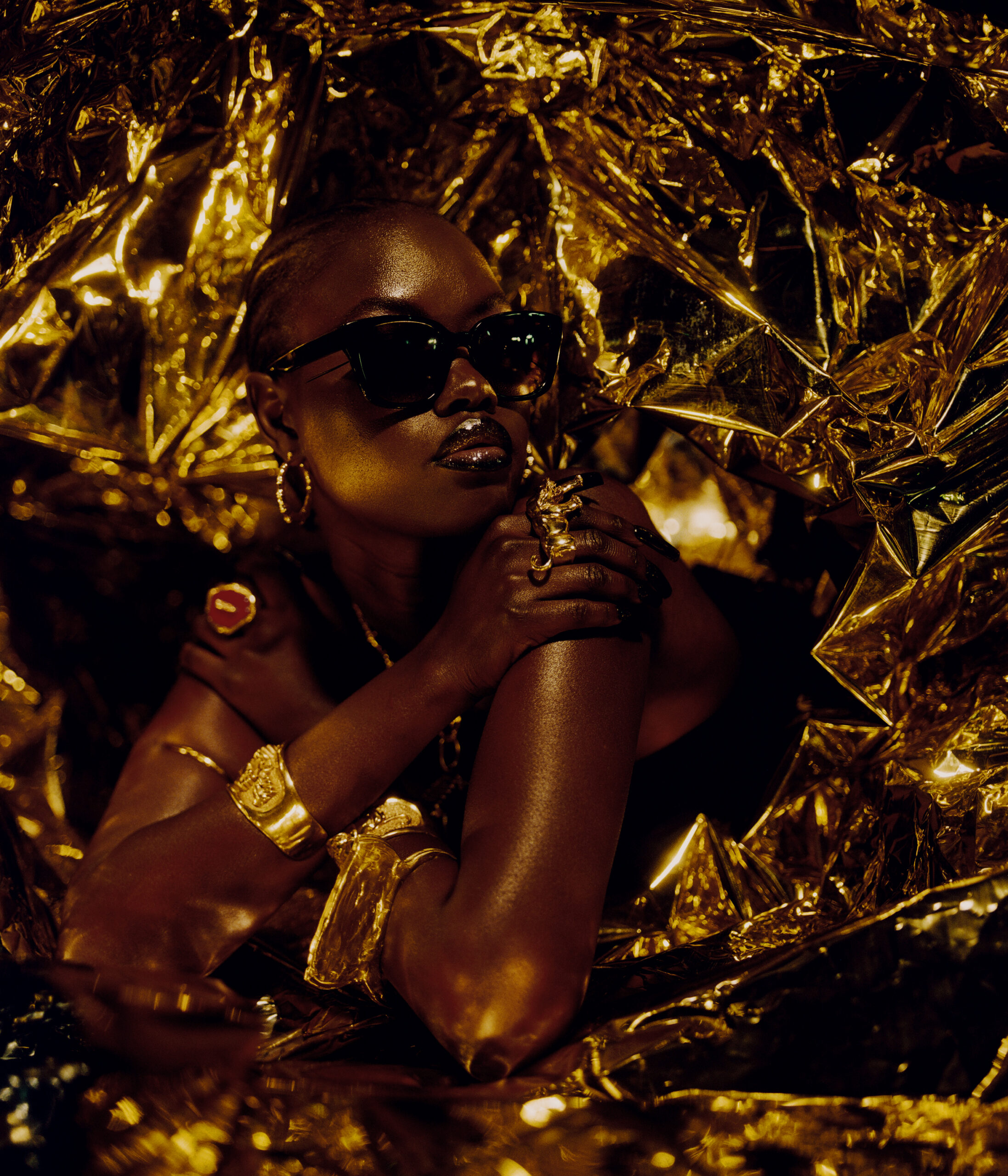
When we think of cool and style in modern fashion, Kendall Bessent’s work in Black Fashion Fair, founded by Antoine Gregory, reflects its mission to preserve Black fashion legacy. Styled by MJ, the model in sunglasses and leather jackets serves as both shield and statement, an expression of composure and self definition.

Main photo: American Writer James Baldwin in Paris (Sophie Bassouls/Sygma via Getty Images)

Additional photos: Kathleen Cleaver by Art Frisch/The San Francisco Chronicle via Getty Images; Grace Jones by Sonia Moskowitz/Getty Images

Kimberly Jenkins

Subscribe

Keep up-to-date with all the latest news from the Council of Fashion Designers of America.