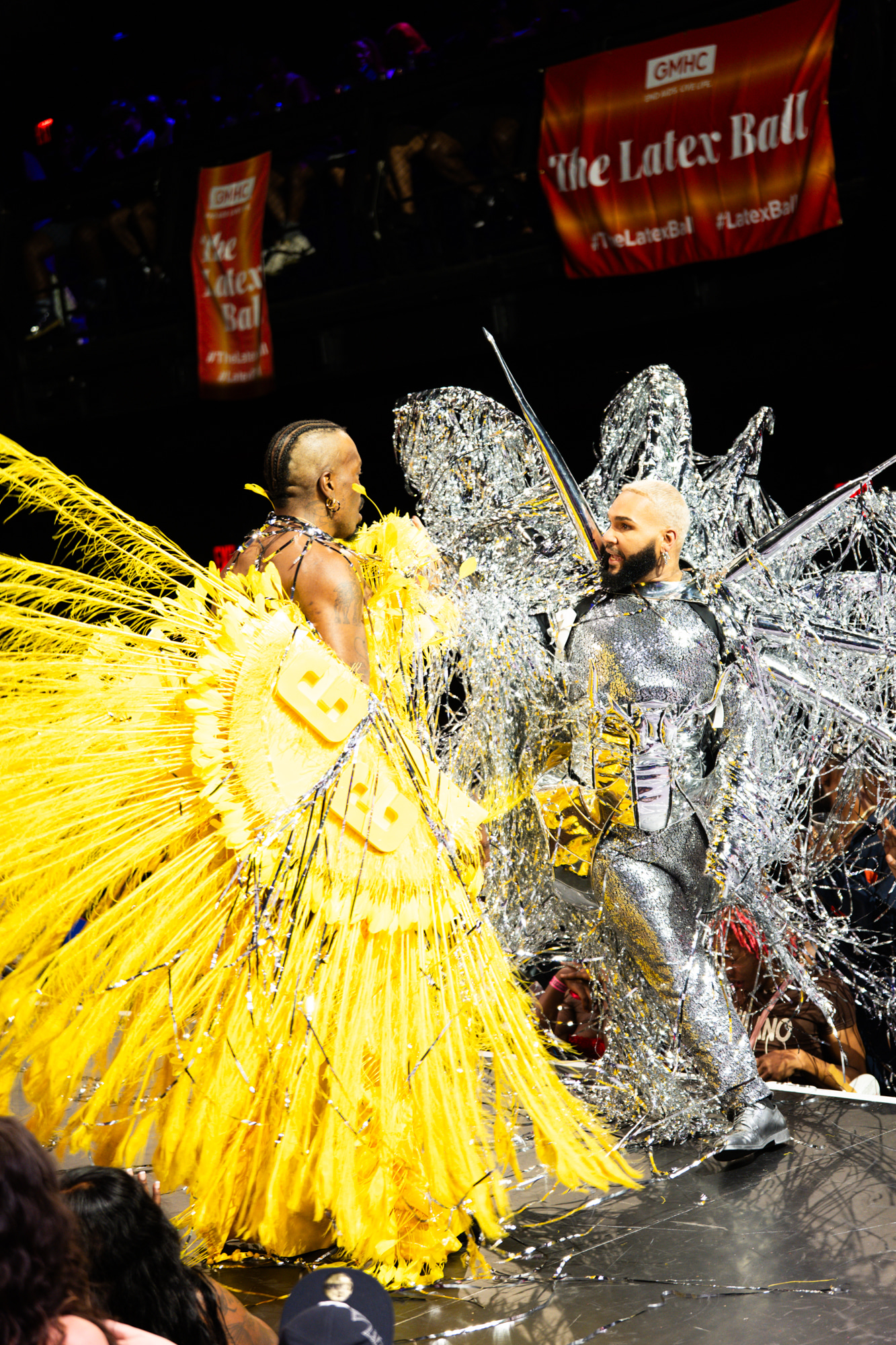
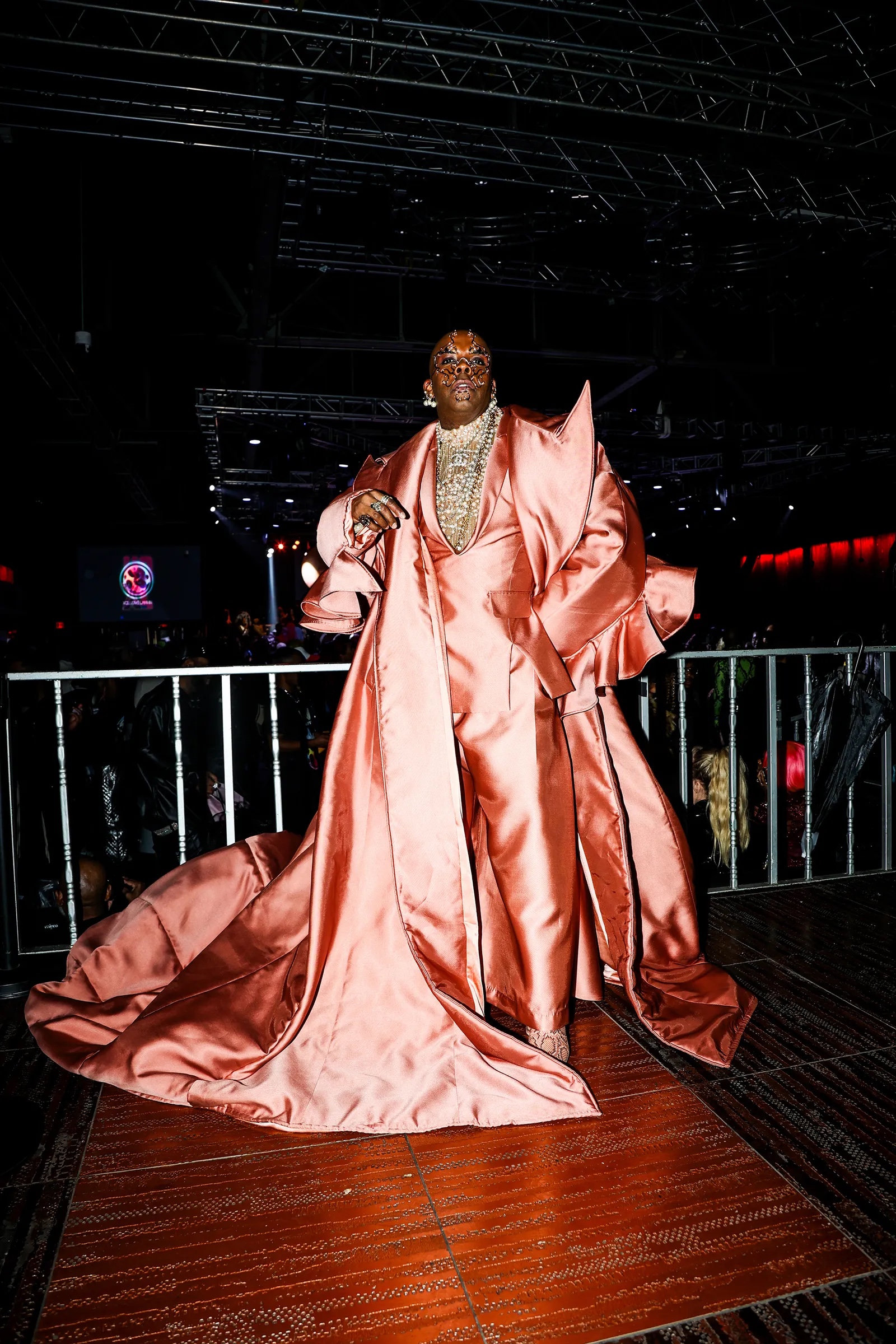
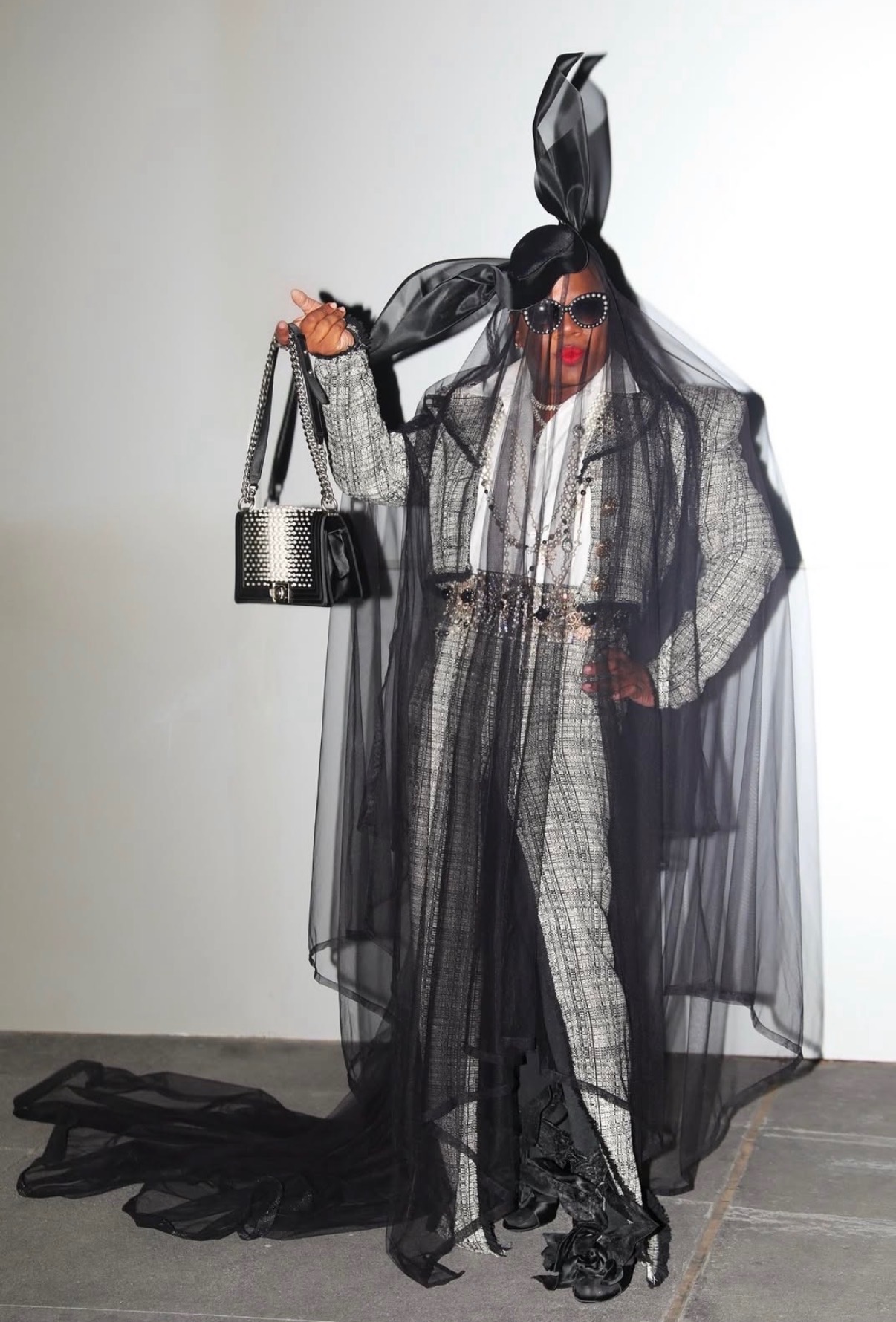
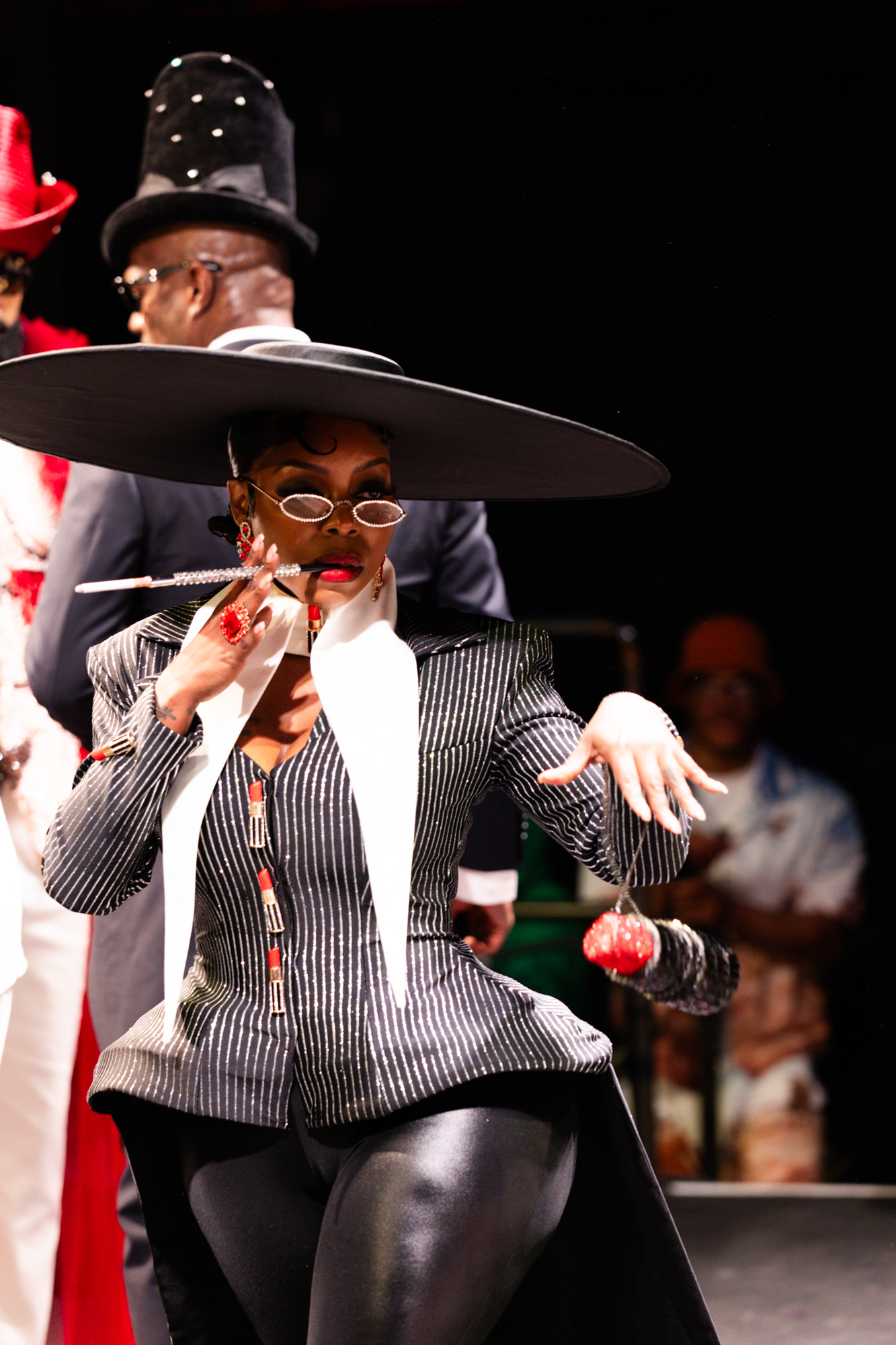
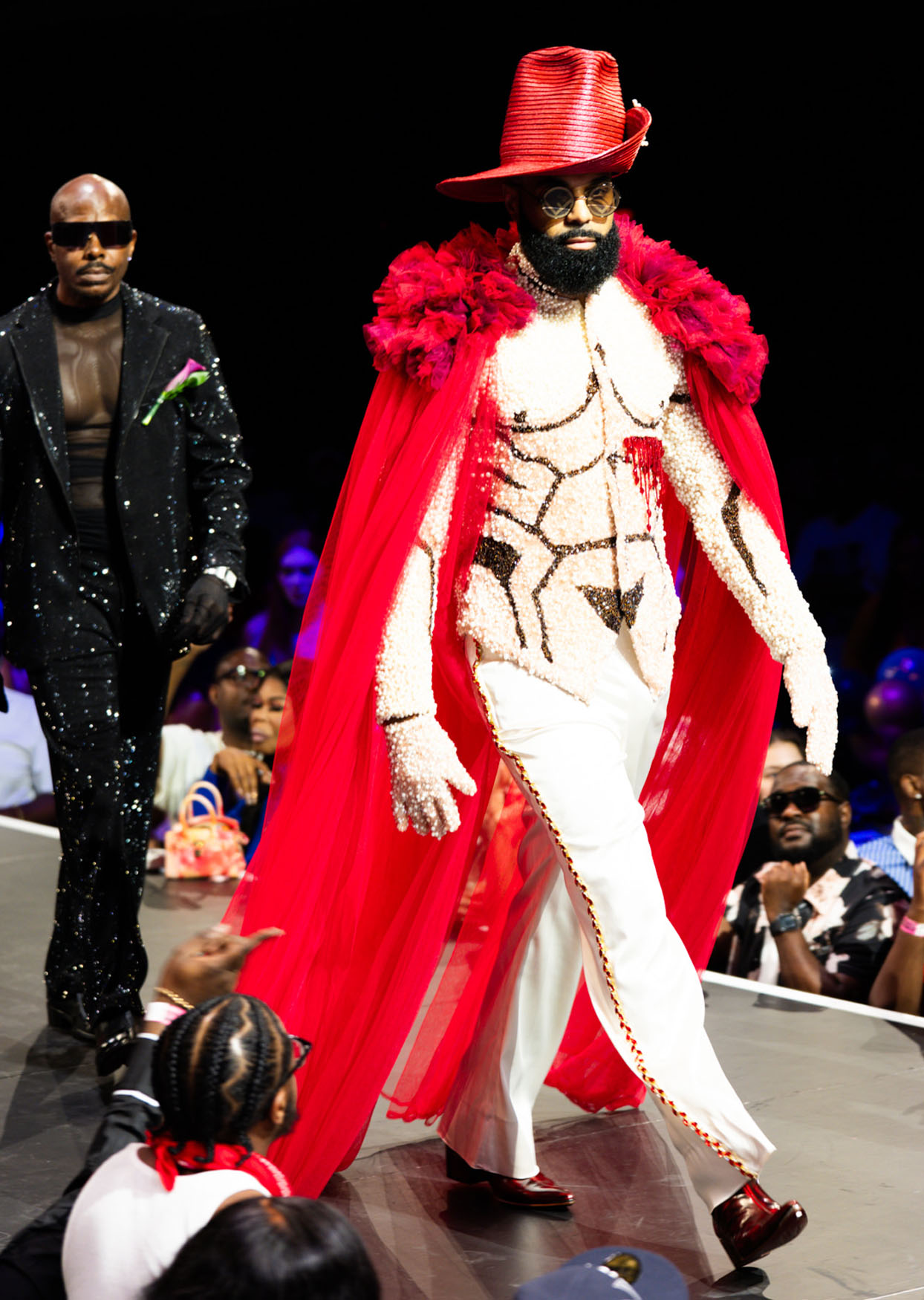
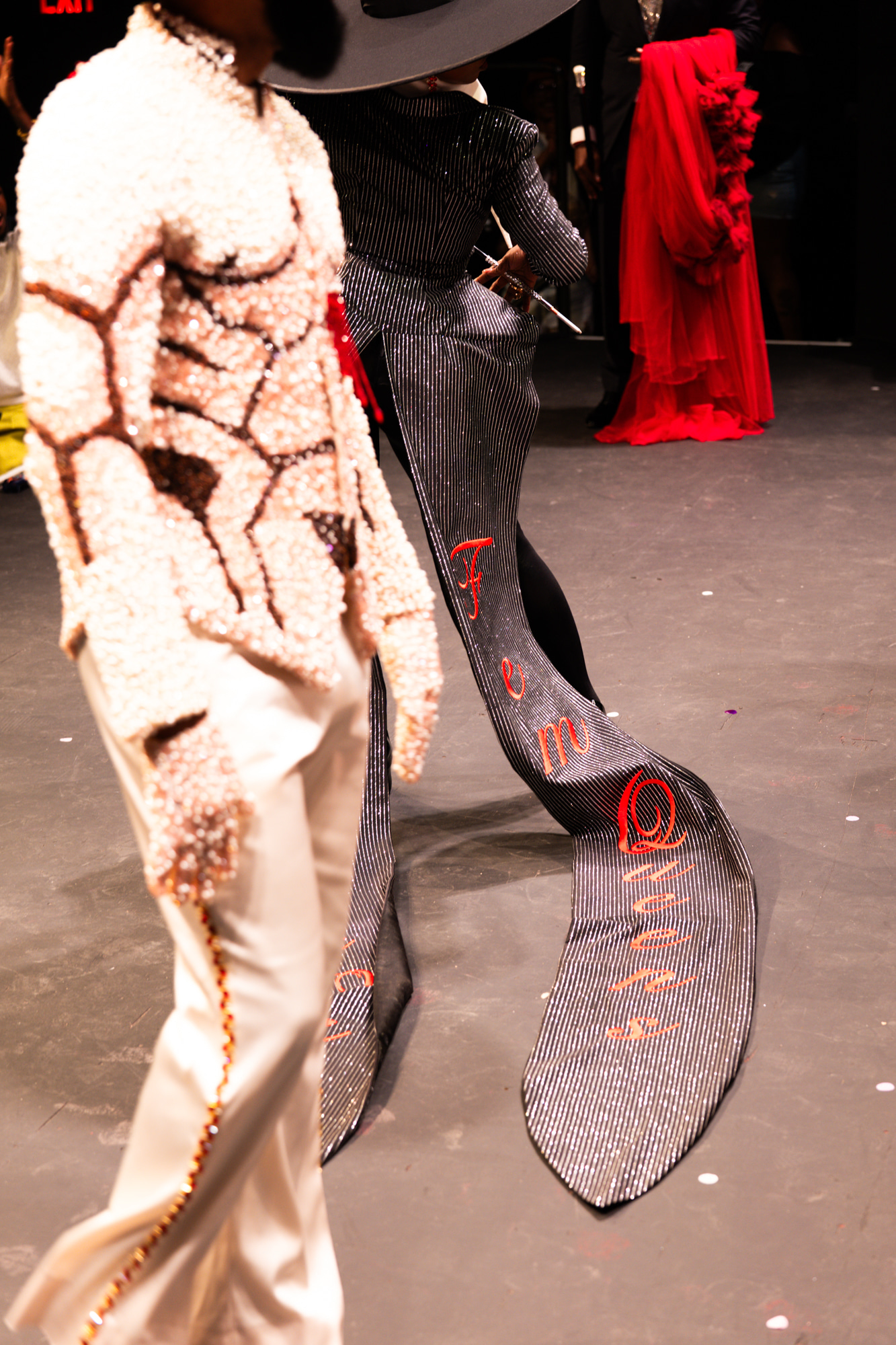
In “Best Dressed,” what makes someone undeniable beyond the garment?
M.L.: The garment matters, but fabric alone never made a legend. Presence does. How you enter. How you hold the floor. In ballroom, you wear the clothes. If they’re wearing you, we see it. When your presence says, “I am that,” that’s culture.
Ballroom shaped what the world calls cool. Where is it credited, and where is it erased?
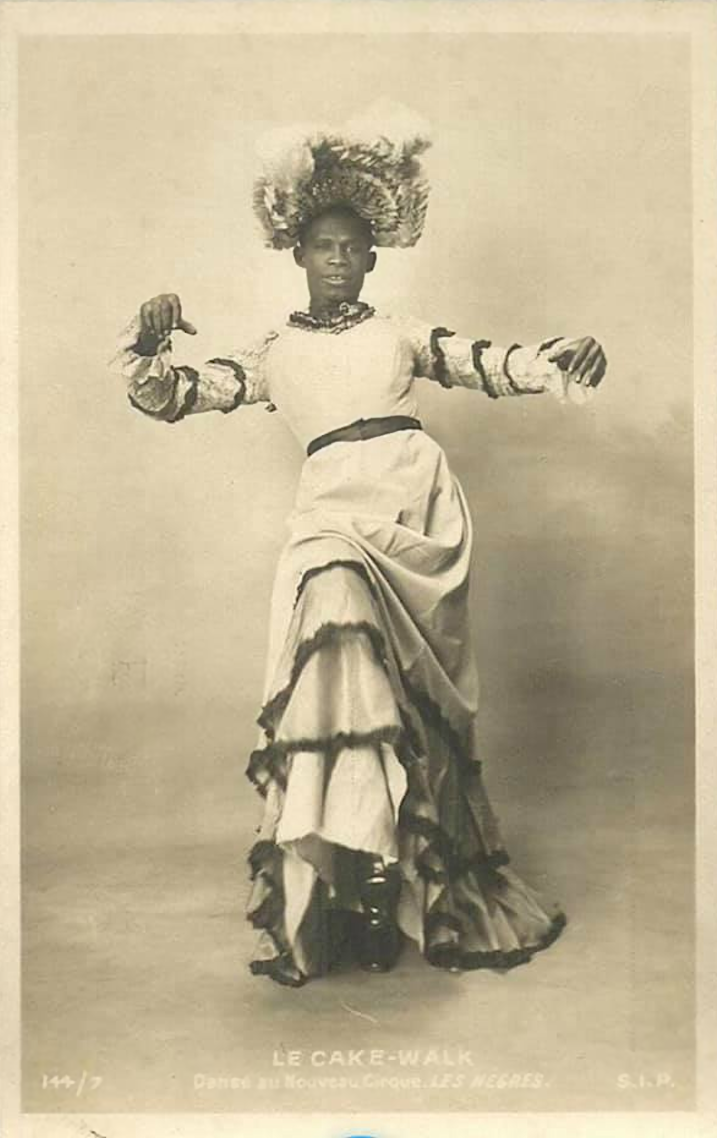
M.L.: Ballroom shaped fashion, language, and attitude. The influence is clear. The credit isn’t. “Clock that,” “read,” “chop,” “category is” all came from Black queer ballroom spaces and are now used without context. Some of it is ignorance. Much of it is extraction.
Y.W.: What gets erased is the source. Brands borrow the codes but don’t hire the creators. Watching ballroom isn’t living it. If you reference it, know its history and who built it. Ballroom was created for survival, not aesthetics. Protection means hiring the community, correcting mistakes, and giving credit.
How has ballroom generated global power?
Y.W.: Ballroom is often celebrated globally before it’s fully honored at home. Still, the influence speaks for itself. Many fashion leaders come from the community, even when that lineage isn’t always named. The culture continues to evolve and expand, with or without institutional validation.
As a House Mother, how do you pass down legacy through style beyond the floor?
M.L.: I teach my house to live how they prepare for a ball. Be intentional. Be prepared. Tailor your spirit like your look. Confidence with humility. Your walk doesn’t end on the runway. It follows you into every room. Legacy isn’t performance. It’s integrity in motion.