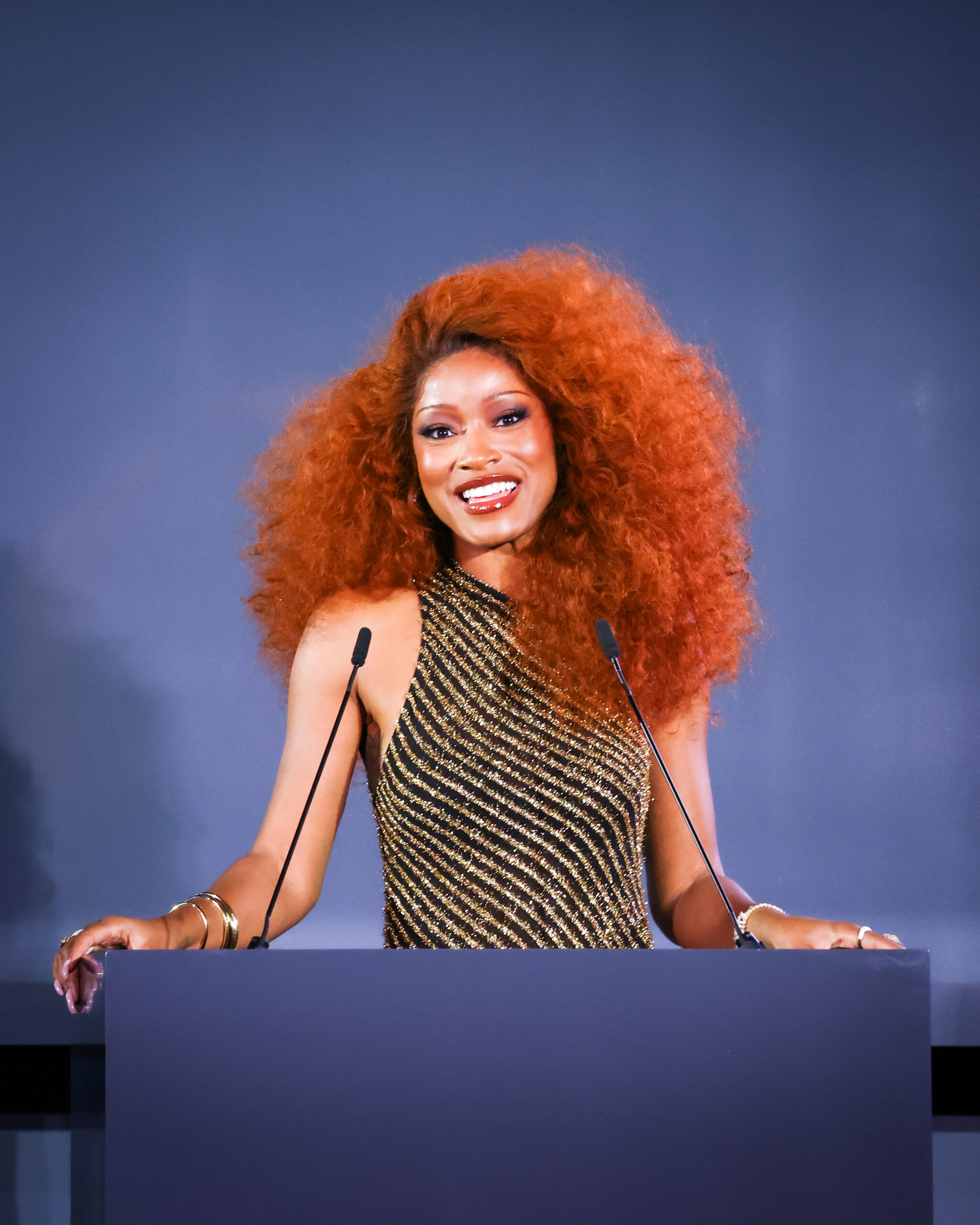
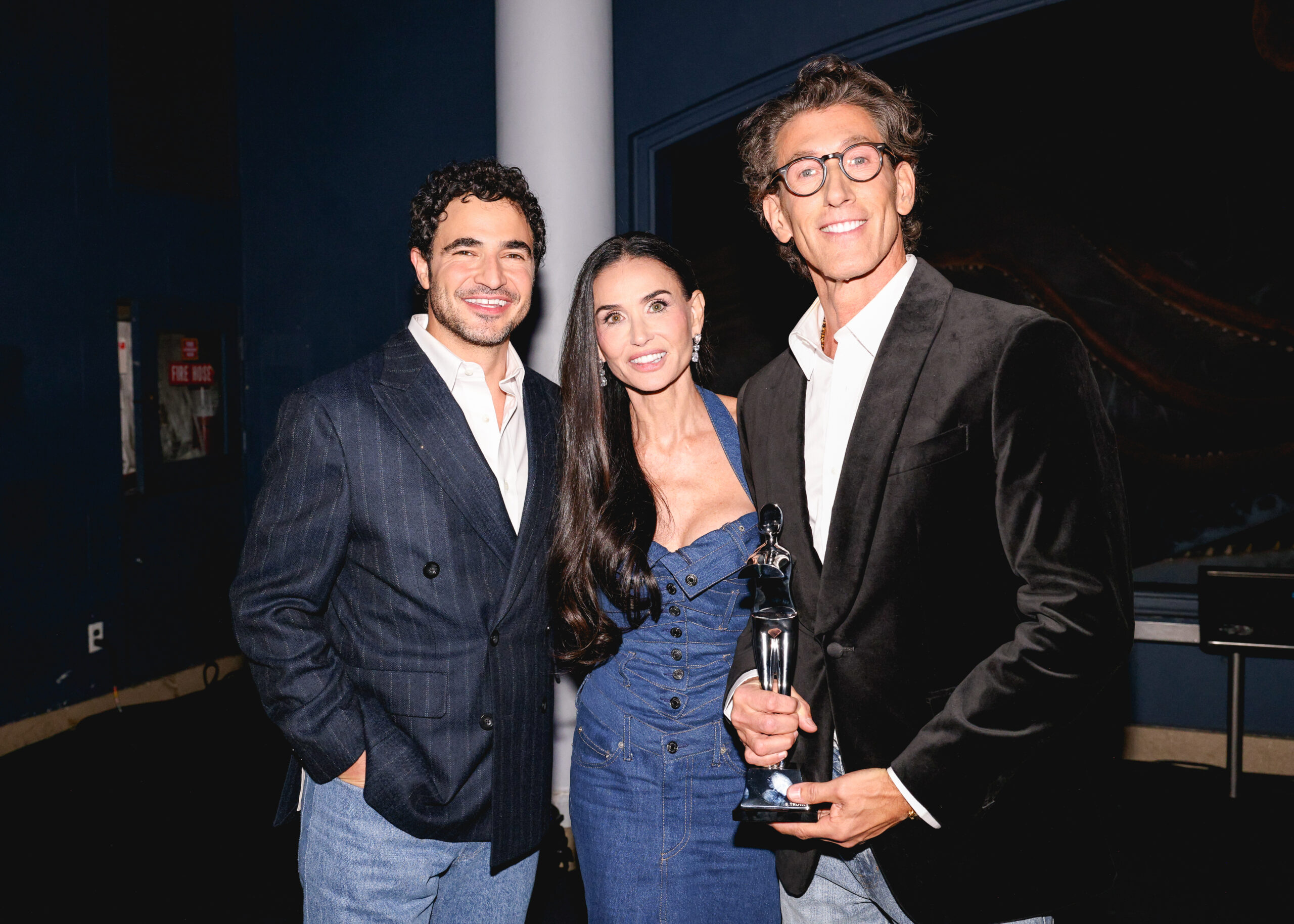
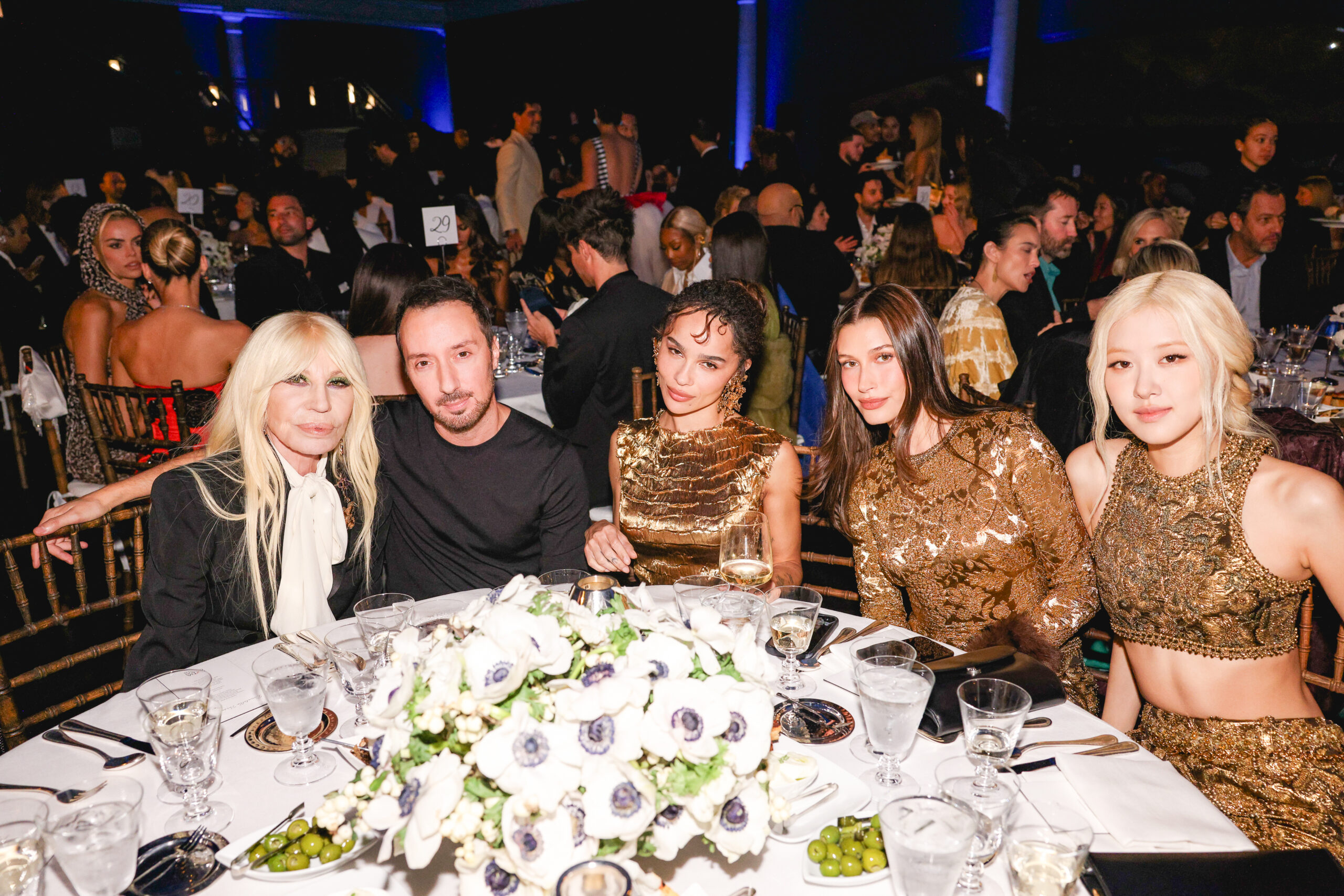
Anthony Vaccarello, receiving International Designer of the Year, defended fashion’s capacity to provoke a response that need not be easily resolved. Zoë Kravitz, Rosé and Hailey Bieber were among those wearing Saint Laurent that evening.
“Sometimes it should make you uncomfortable and it’s fine,” he said. “Not everything needs to be explained.”
June Ambrose, wearing Marc Jacobs, was considering a different question: who gets credit for the ideas that travel.
The stylist and costume designer spoke about American fashion’s influence on European design and the contribution of music videos to its visual vocabulary.
“As a costume designer myself, knowing my contribution in music videos, I’ve seen my influence across the pond as well,” she said.
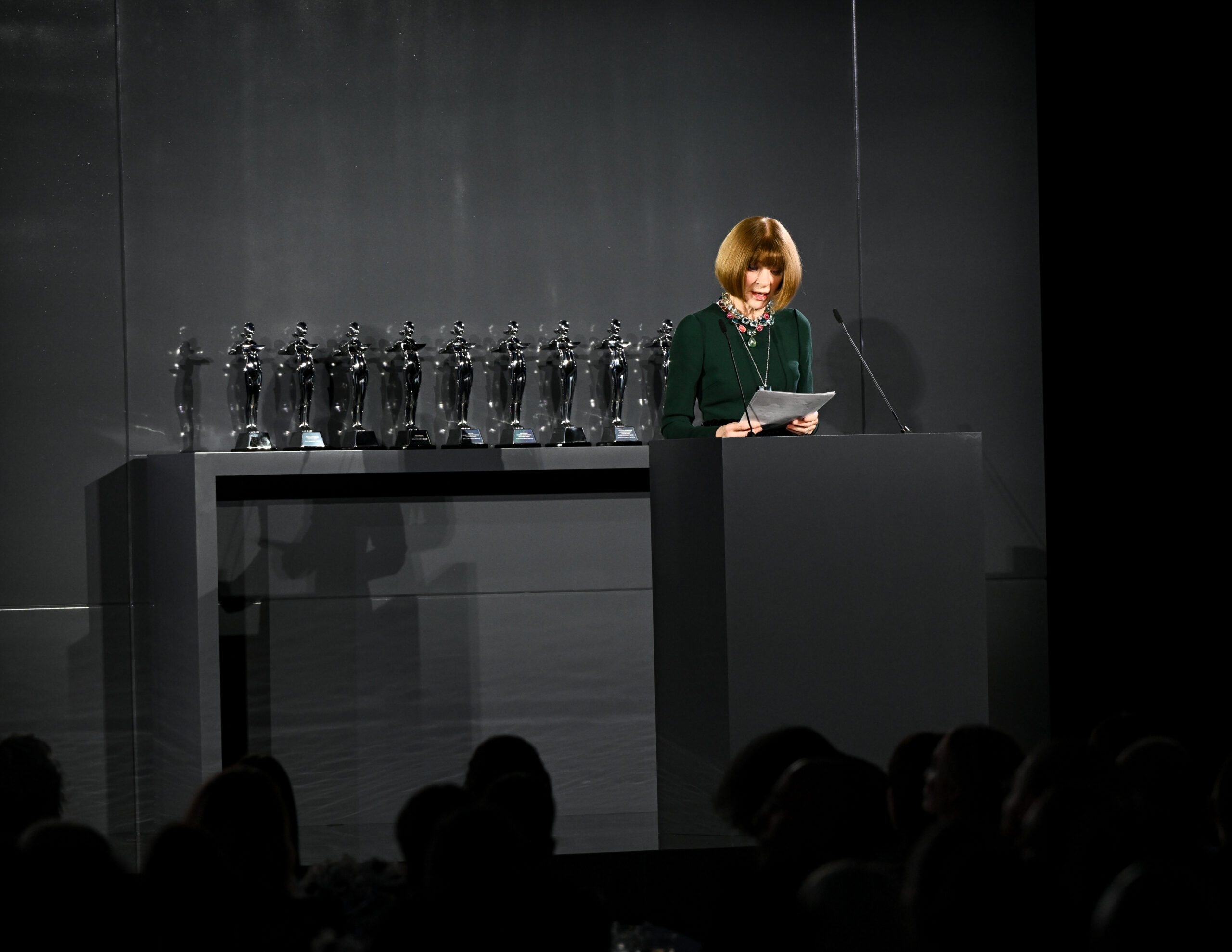
Wintour described the evening in terms of mutual regard.
“What’s so wonderful about American fashion is that everyone in the room wishes the best for each other,” she said. “There is genuine love, support and respect for what everybody in this room does.”
The gathering reminded her of the Tony Awards, another occasion when a creative community assembles to applaud its own.
“And the night before the 2026 midterms,” she added, “what could be better than that?”
Asked what continues to draw her to emerging designers, Wintour emphasized individuality and authenticity. She recalled encountering Thom Browne’s work for the first time.
“I said, ‘I’ve never seen this before,’” she said. “And it was real and genuine and coming from within. That’s what I look for, and it doesn’t happen every day, but it does happen.”
For all the evening’s established names, that possibility remained its most compelling promise: someone in the room might still show fashion something it had never seen.
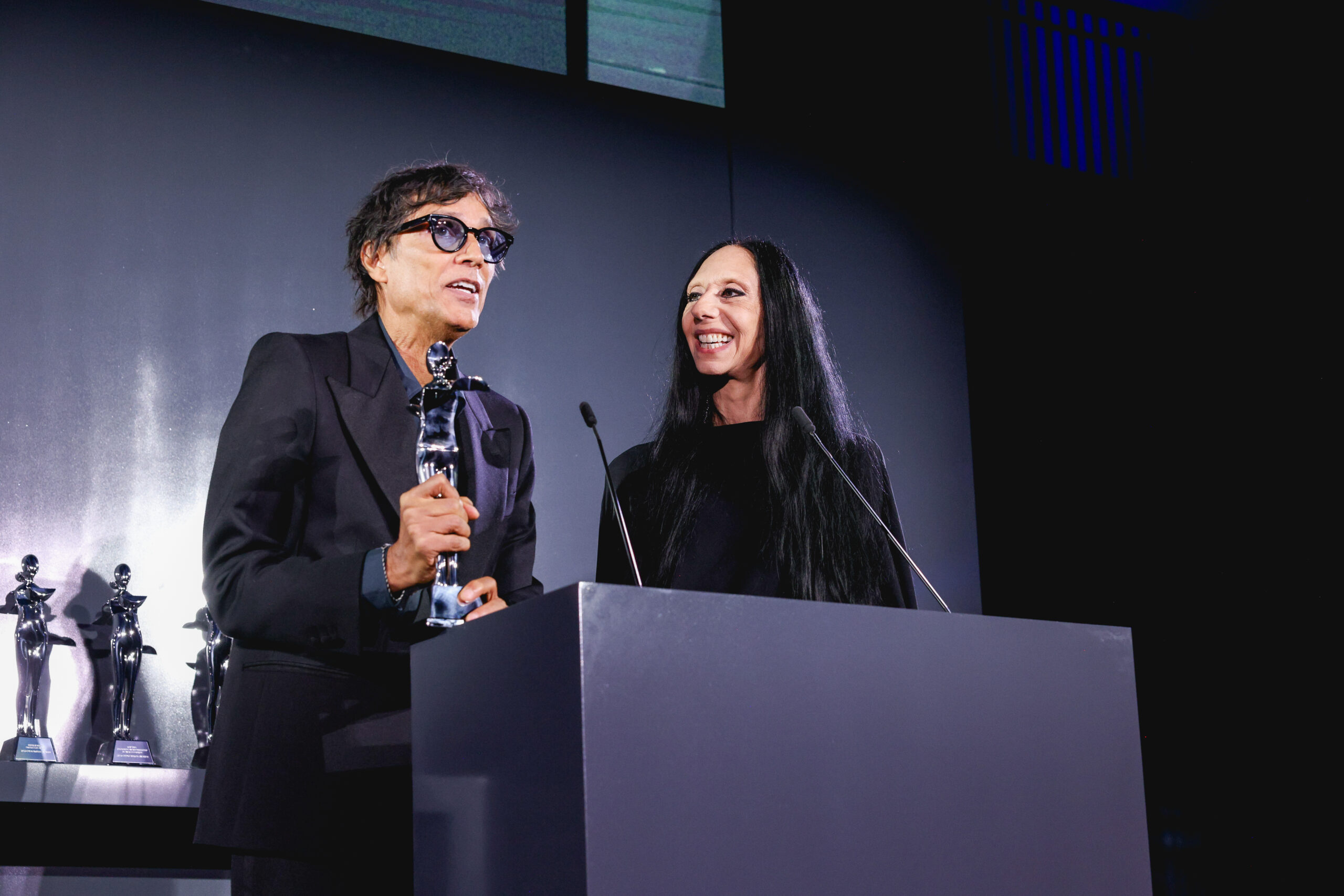
Scott, with a trophy in hand, already had her attention on the next morning.