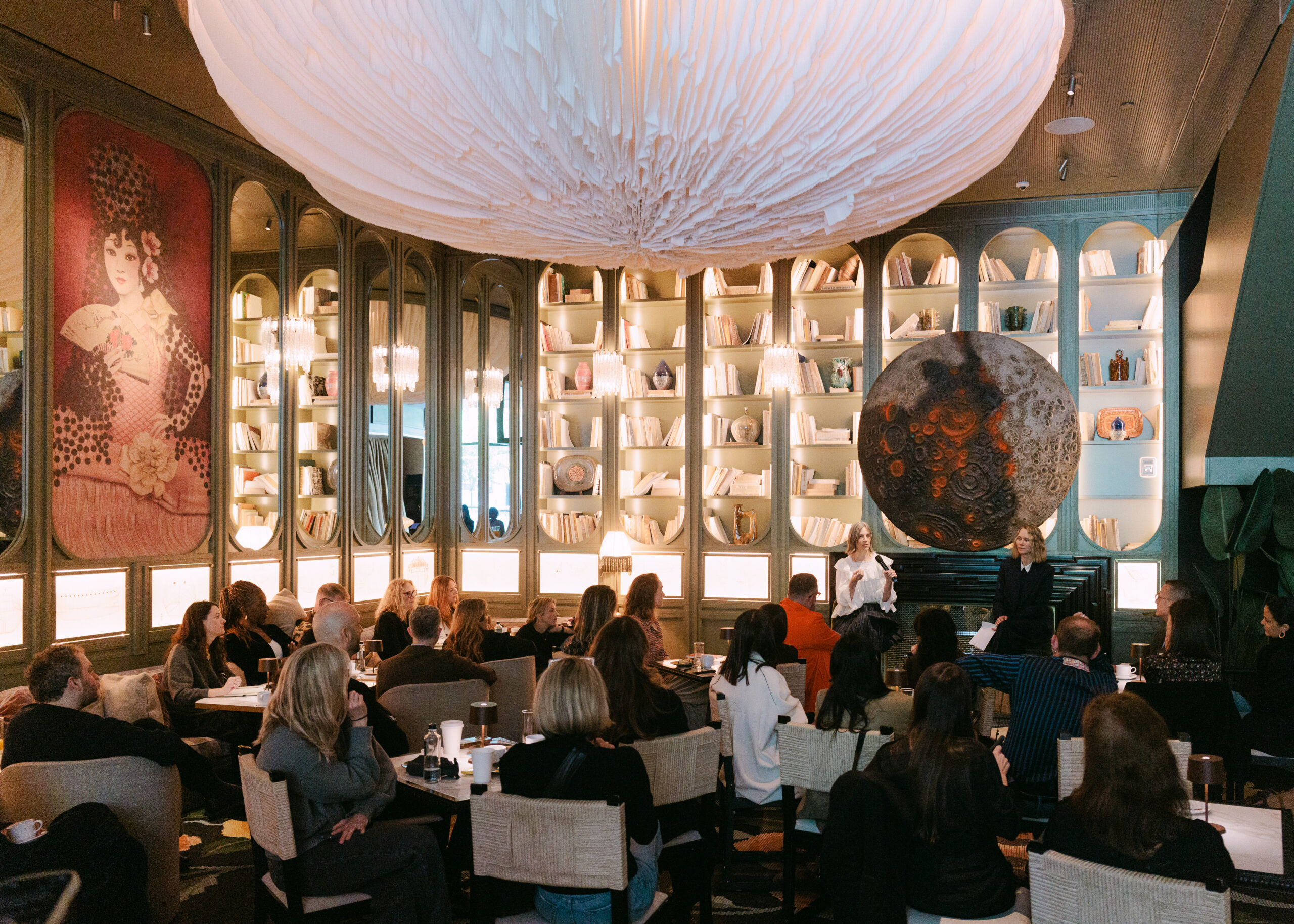
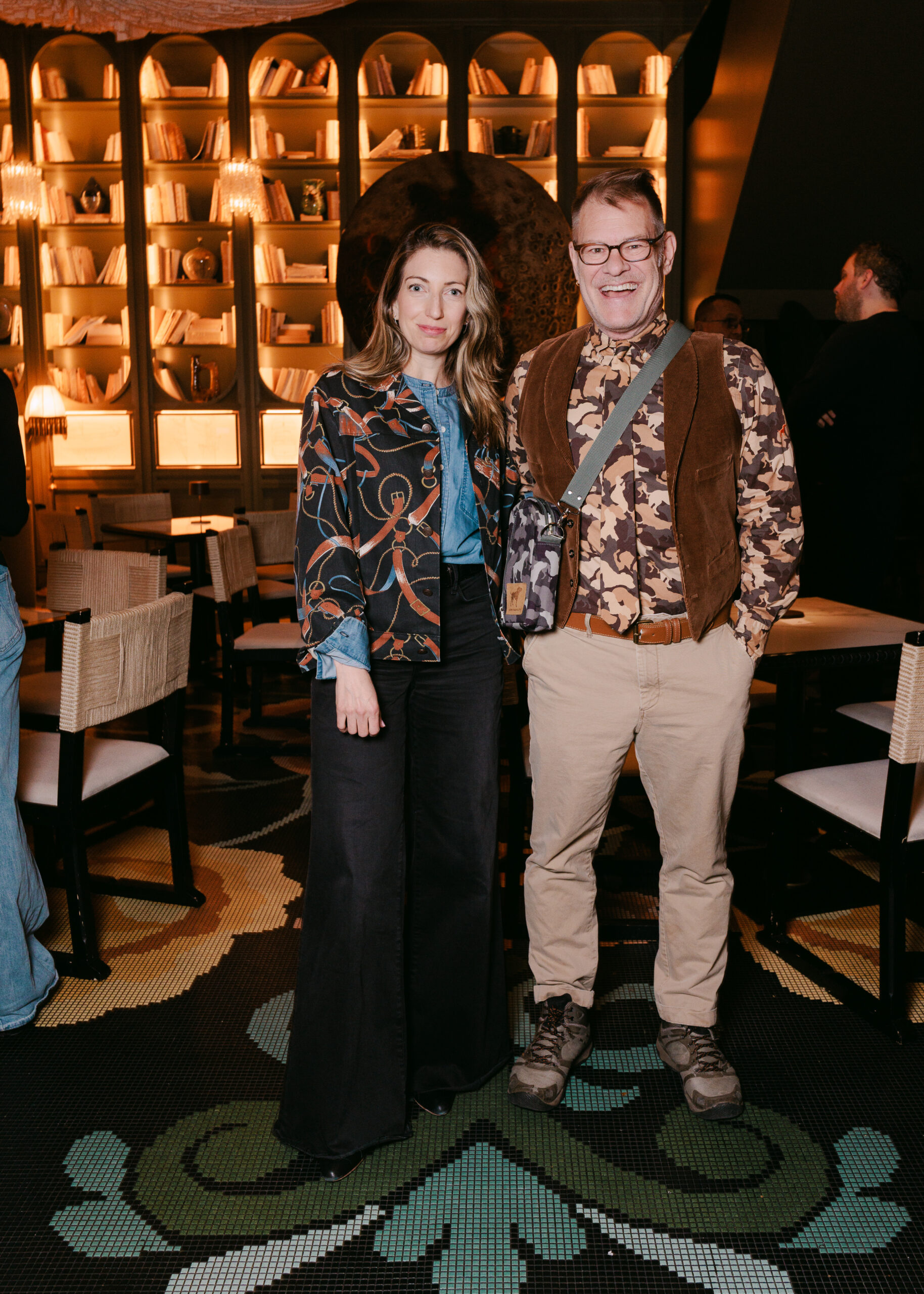
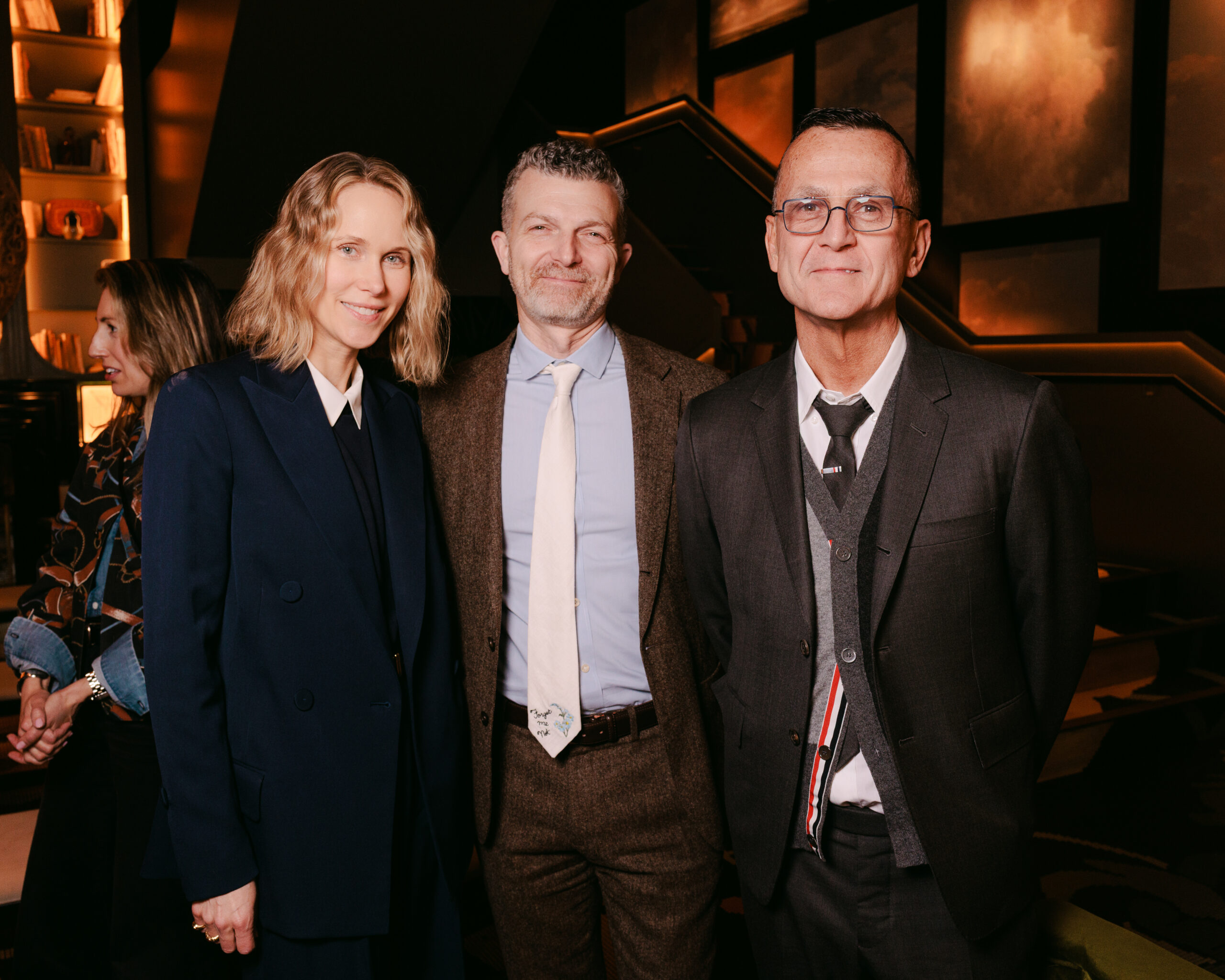
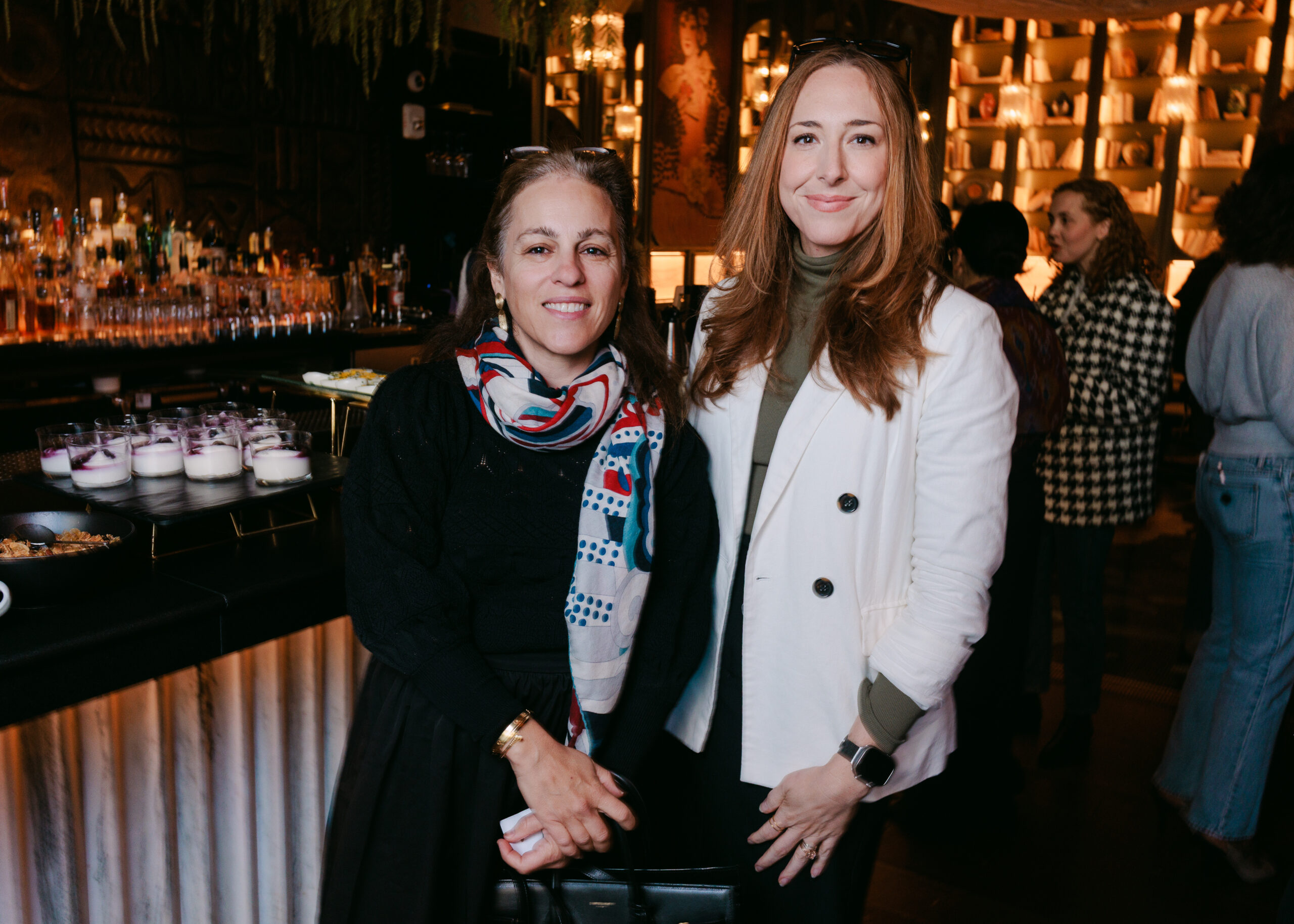
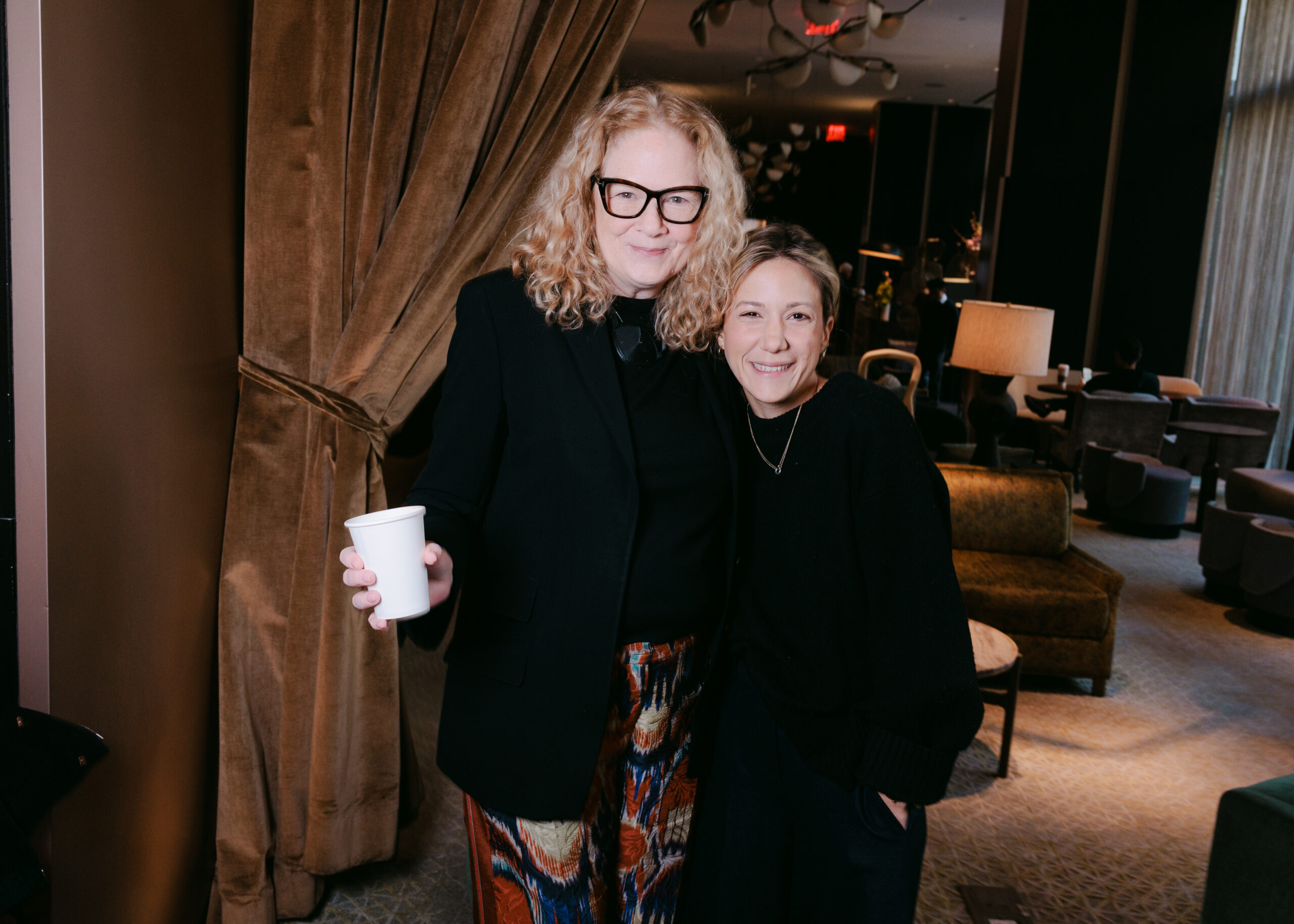
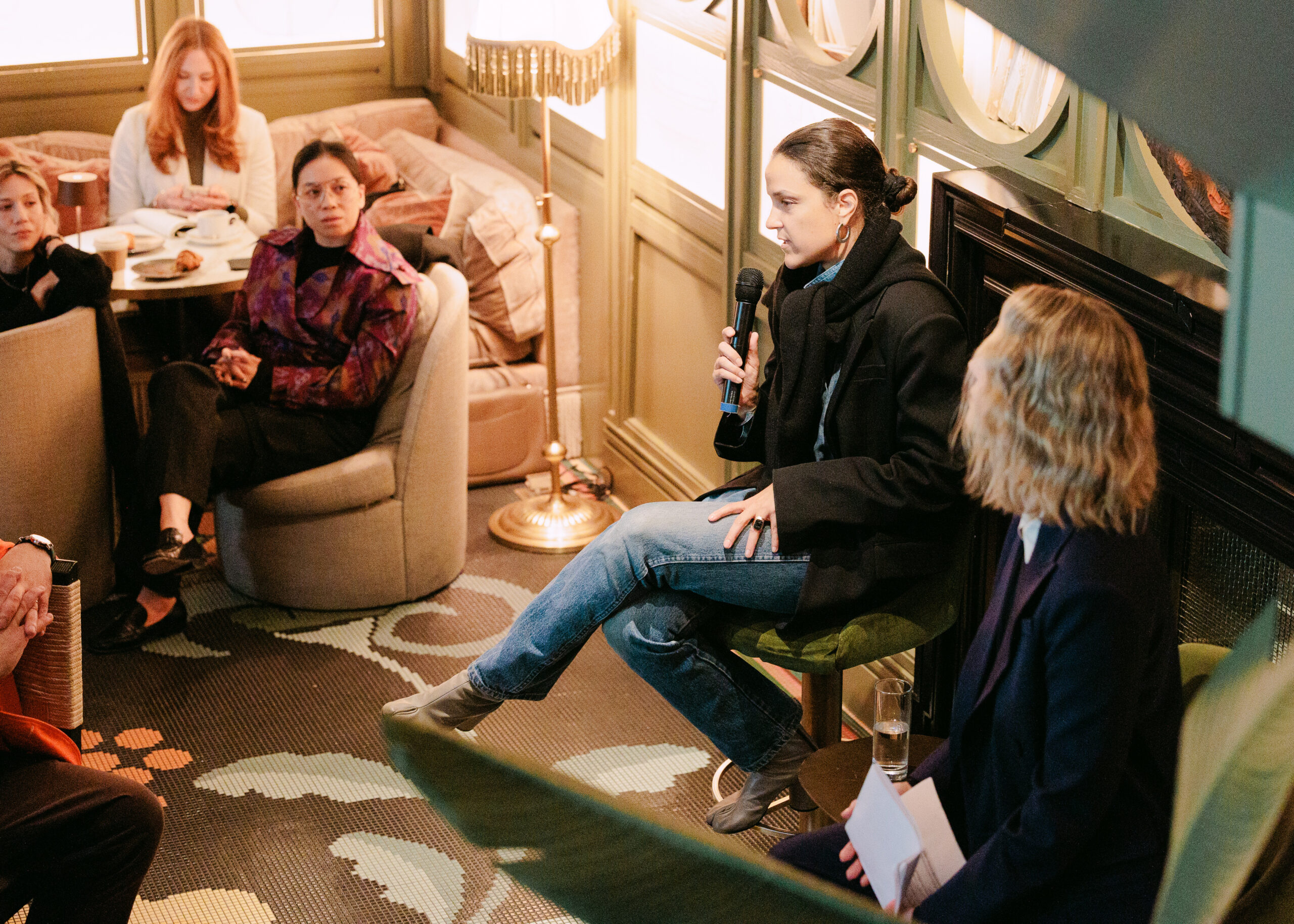
Returning to the jewel-toned Bazaar Bar at The Ritz-Carlton New York NoMad, the second session of The Roundtable Series shifted the conversation beyond the point of purchase and toward what happens after a garment is sold.
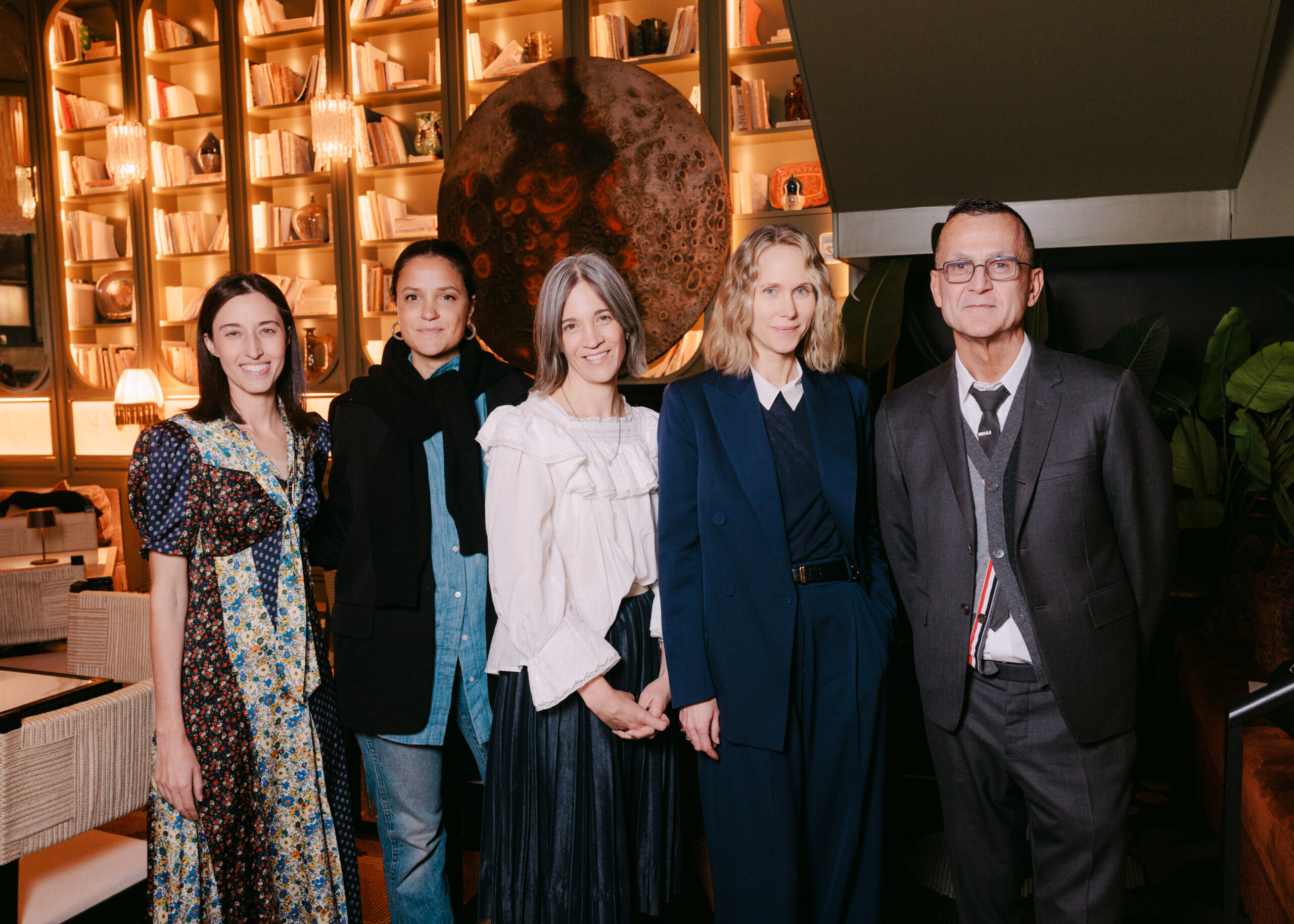
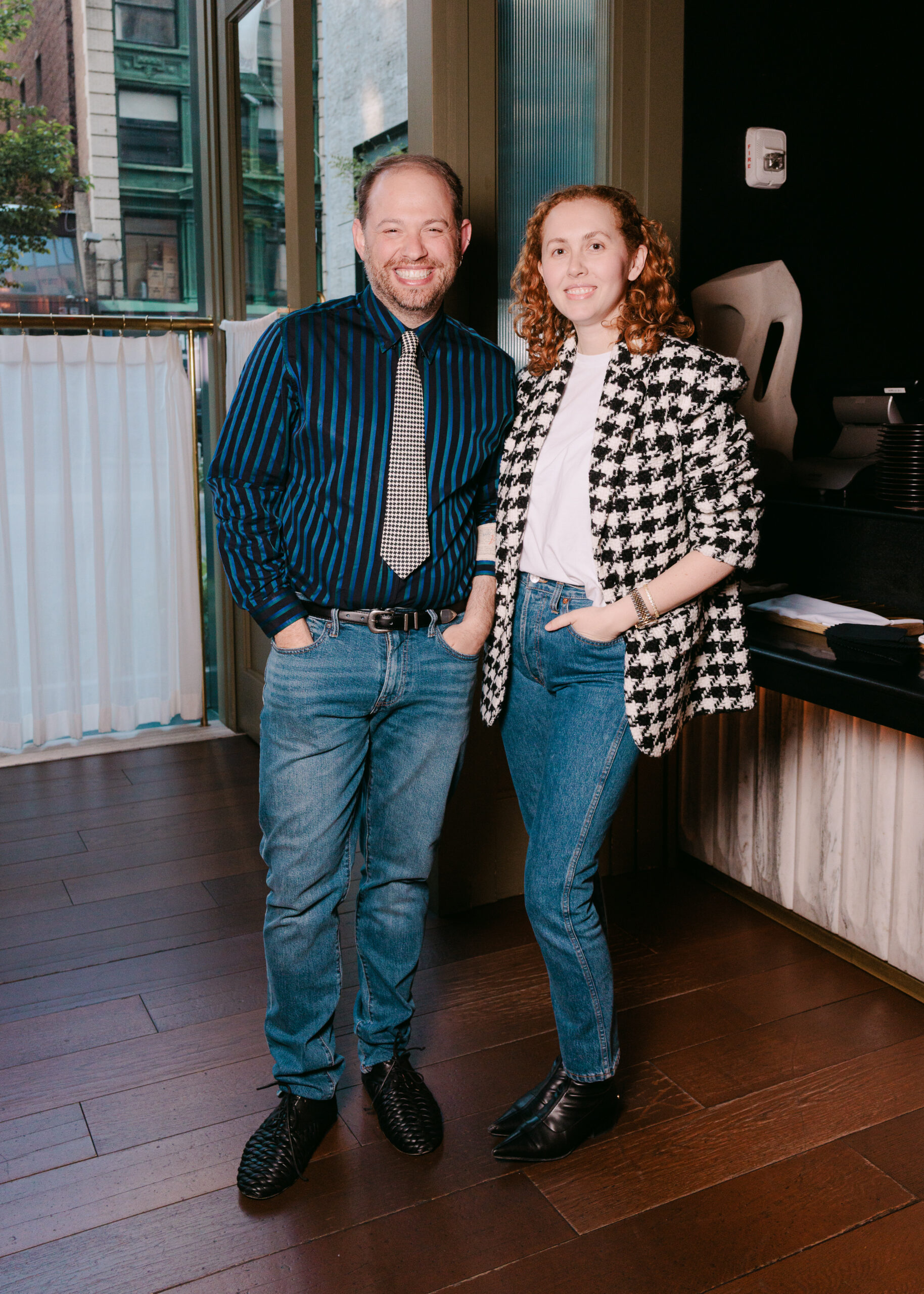
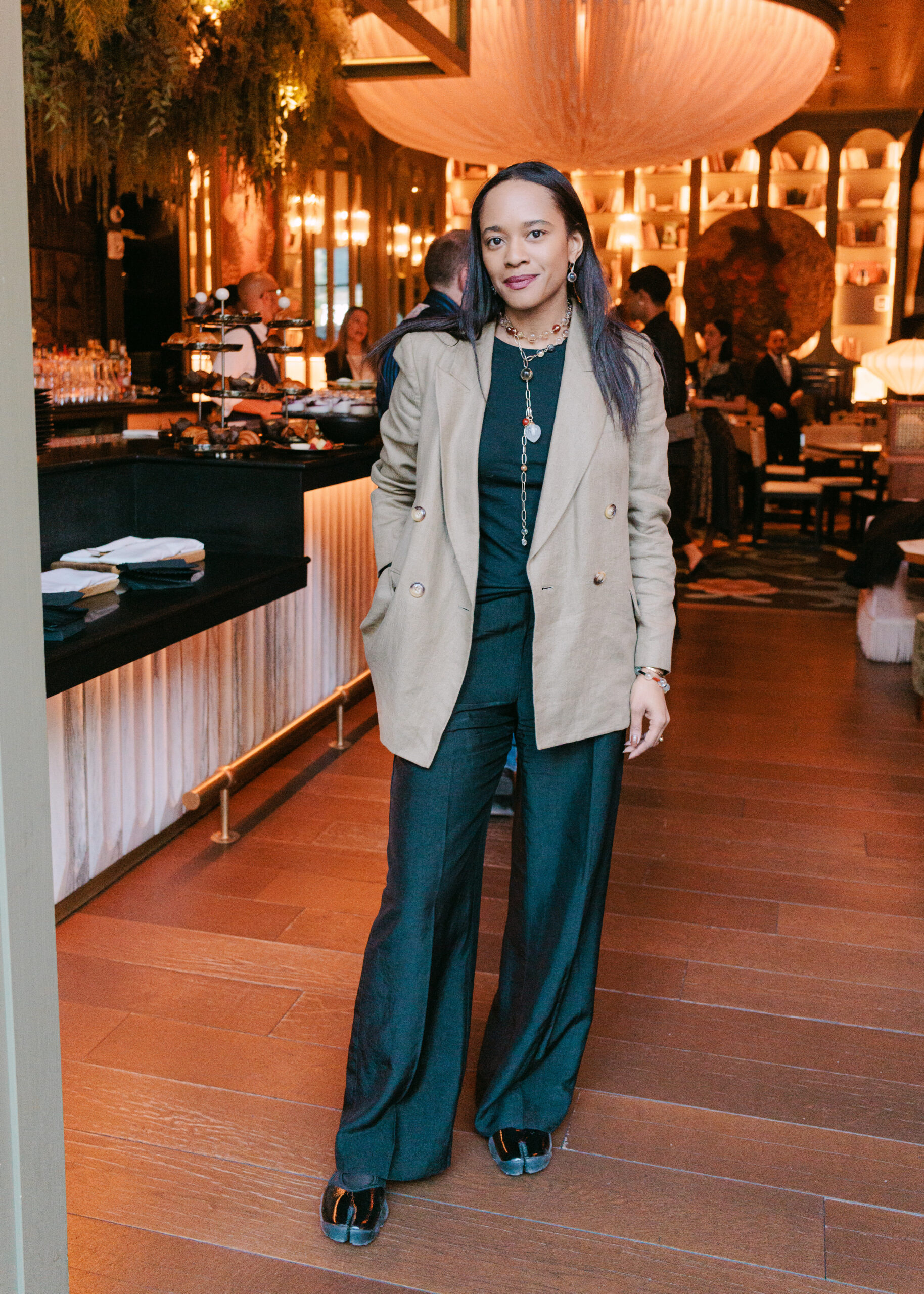
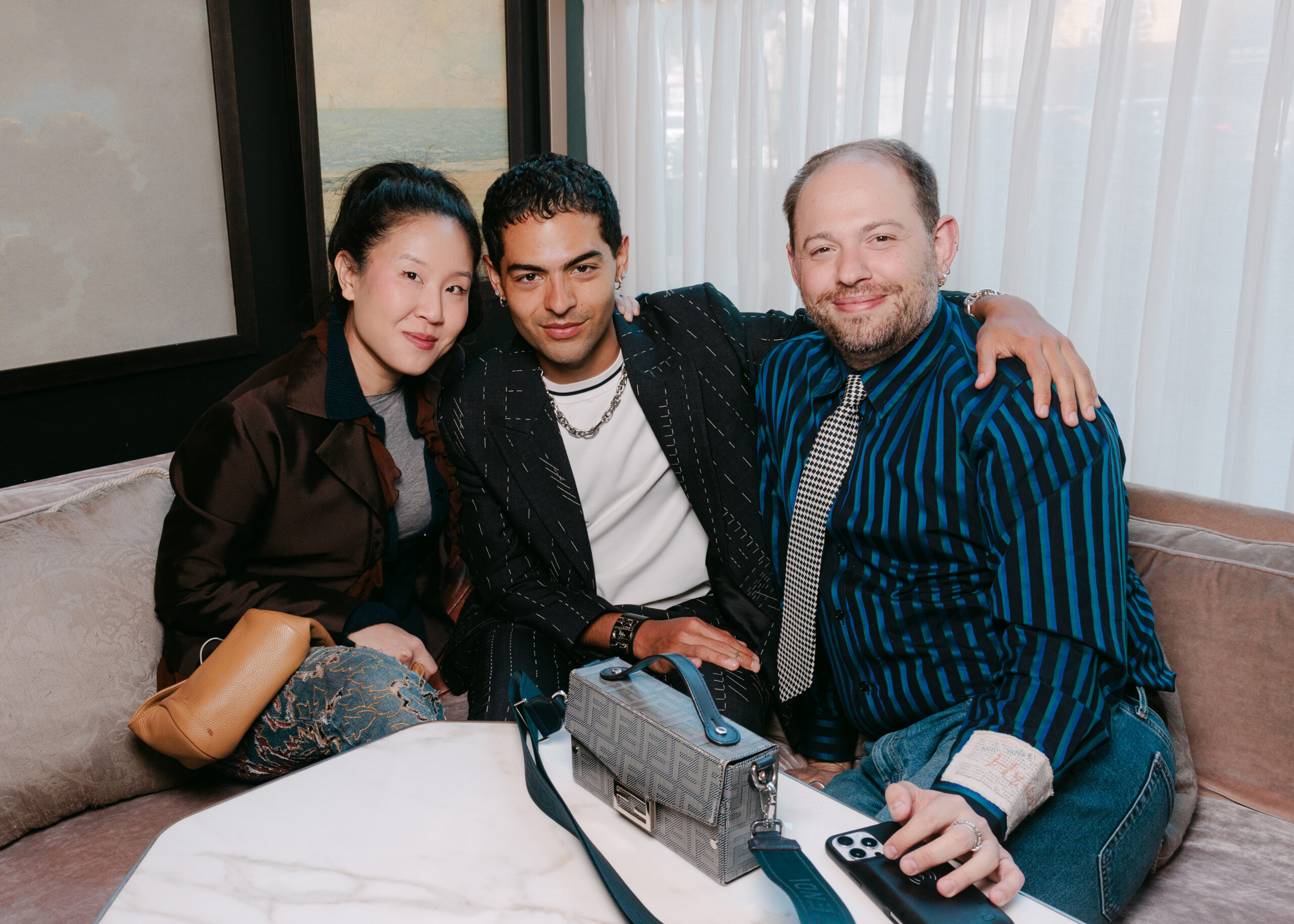
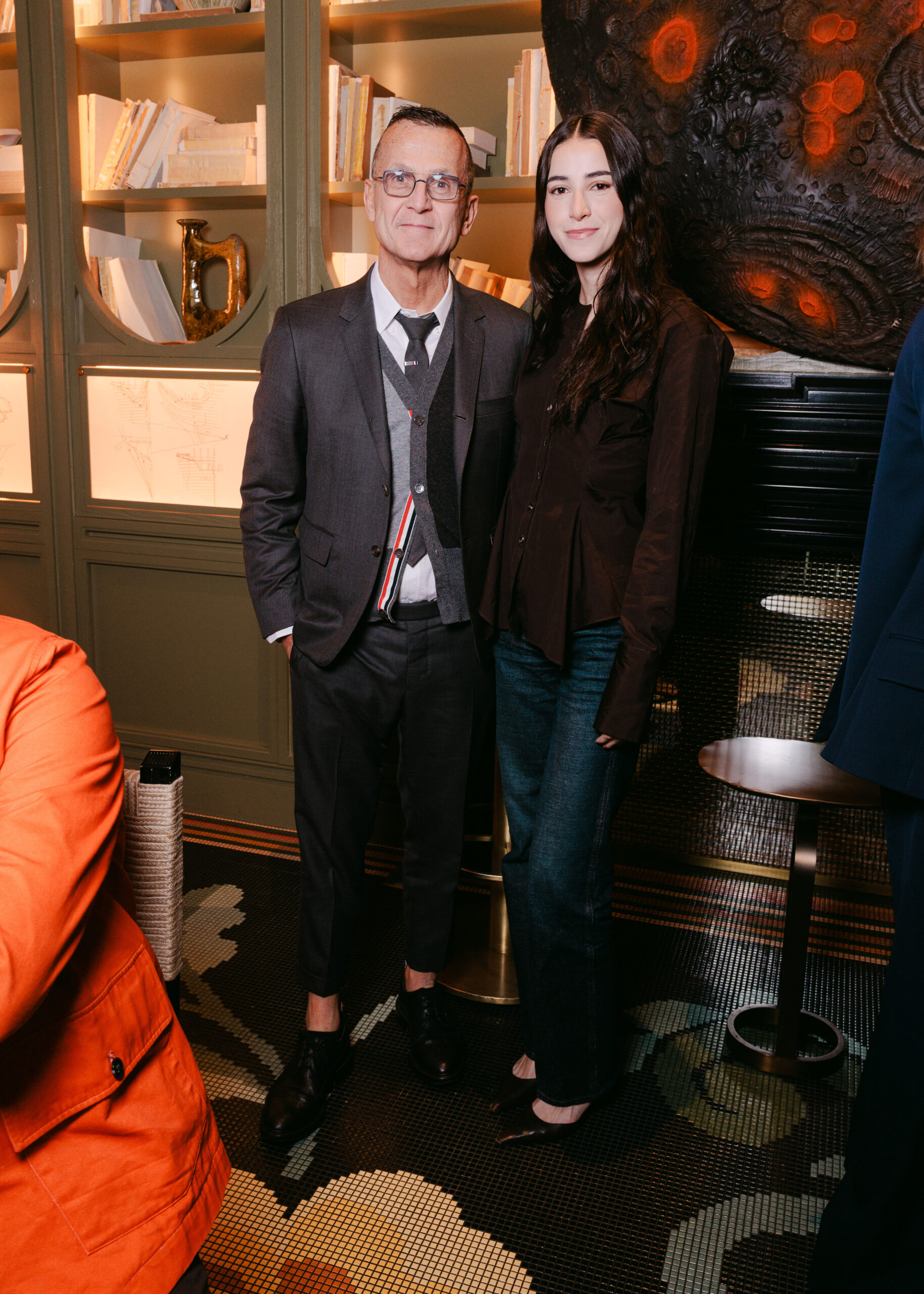
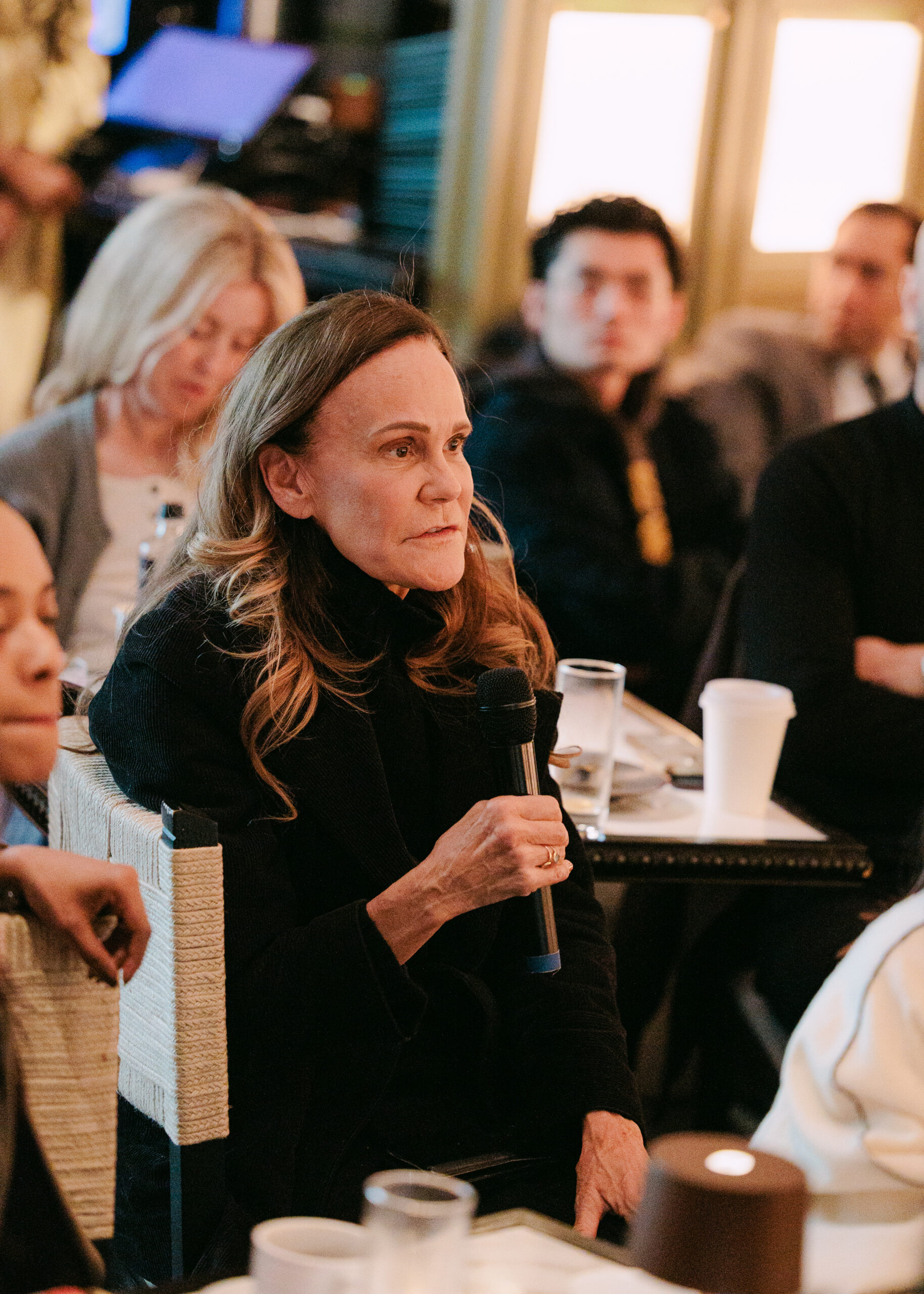
Co-hosted by the CFDA, eBay, and The Circularity Project, the intimate breakfast conversation brought together CFDA embers, fashion executives, educators, and circularity leaders. These included Julie Gilhart, Wendy Waugh, Ashlynn Park, Ashley Moubayed, Robert Tagliapietra, John Bartlett, Gonzalo Pertile, Gretchen Valade, Jason S.Schupbach and Sarah Davis.
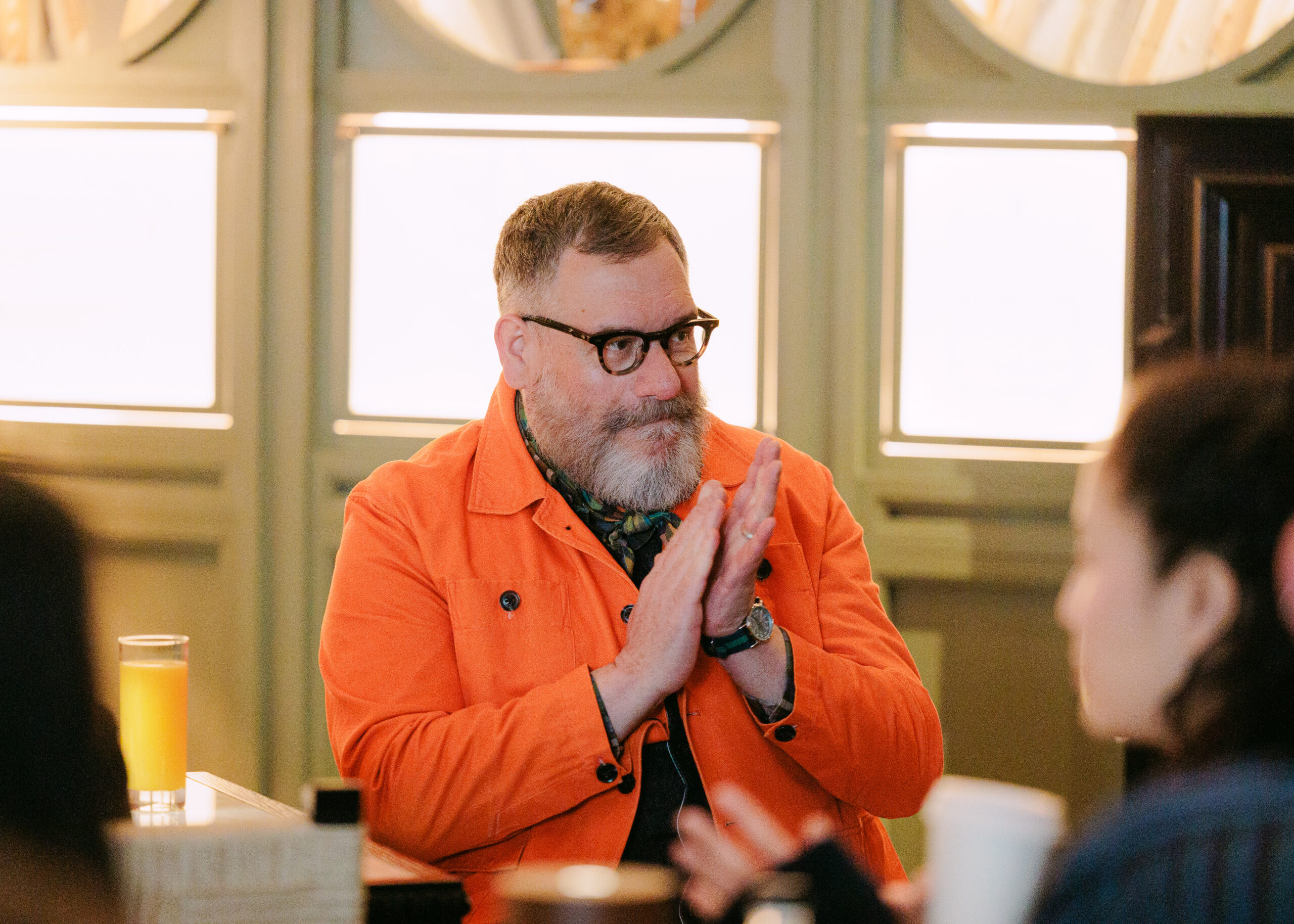
Moderated by Indre Rockefeller, founder of The Circularity Project, the morning featured individual conversations with Emily Wargo, Director of US Fashion at eBay, Elizabeth Giardina, Creative Director of Another Tomorrow, and Erin Beatty, Founder & Creative Director of Rentrayage.
The session turned attention to the “afterlife” of a garment, and how design might consider not just the first life, but the second and third that follow. Through resale, reuse, and repair, the conversation shone light on the role of care systems and technology in extending use and redefining value.
Several key themes emerged from the morning’s exchange – each pointing to a different dimension of what it means to design and care for a garment beyond its point of creation.
Designing for the next life
A garment’s second life is decided by its first. Design decisions – from material composition to construction, a seam allowance left for alterations, or a natural fabric that ages well – quietly determine whether something can be repaired, resold, repaired, or remade years down the line.
While construction matters, cultural relevance does too. What keeps a piece in circulation is desirability as much as durability. Pieces rooted in heritage or a distinct silhouette – the kind that feel both of the moment and beyond it – tend to hold value and move longer in secondary markets. This dynamic is reshaping how young consumers shop. Many are increasingly entering the secondary market first, factoring a garment’s future value into their decision to buy it at all.
Resale as infrastructure
Resale is no longer a separate category. It is evolving into embedded infrastructure – woven into brand and retail ecosystems through take-back programs, excess inventory resale, and software integrations that connect primary and secondary markets directly.
Still, structural gaps remain. Authentication is an ongoing challenge, particularly when repair falls outside brand-controlled systems. In some cases, the inability to service or restore a product can limit its eligibility for resale, pointing to a broader need for infrastructure that supports longevity beyond the original point of sale.
Constraints as creative ground
Two distinct approaches to design emerged across the conversation, and both shared a common starting point: working with what exists rather than against it.
One approach described longevity as a function of design discipline and material intelligence – balancing a permanent core collection with seasonal newness, and relying on continuity over reinvention. This” farm-to-table” approach encourages working within the constraints of what’s available each season, seeing it not as a limitation, but as an edge. Constraints simplify decisions, reduce excess, and ground design in reality rather than abstraction.
The other begins even further back – with vintage, deadstock, and secondhand textiles sourced from markets as far-reaching as Pakistan, where surplus American clothing arrives before making its way to Japan and Europe. The process is reactive by nature: you can’t control what’s available, or when. Design works backwards from material to form, and the question shifts from what to make to what’s worth elevating, and how.
The story is the value
Across the morning’s conversation, one idea kept returning: while products must lead, the story surrounding it reinforces value. For a customer to understand why something is worth buying – and worth keeping – they need to understand where it came from. While sustainability may not be the primary driver of purchase, transparency and language still shape how customers engage. Smaller brands have a real advantage here. The ability to communicate directly, trace a garment’s story, spotlight the people behind the scenes, and build genuine community is something that doesn’t scale easily, but resonates in ways that marketing alone cannot.
Extending the life of a garment begins long before it goes into production. It is won through design decisions, supported by systems, and sustained through the relationships that form around it. As the session closed, there was a sense of shared understanding – this is not a smooth or simple process. But the people doing the work are passionate, and it is often that combination of passion and frustration, a guest noted, that leads to real change.
A special thank you to Flag Luxury Group, José Andrés Group, and Dayssi Olarte de Kanavos for making this event possible.