Skip to content
Technology

Building Competitive Advantage Through Emerging Technologies

November 20, 2026

Vy Bui
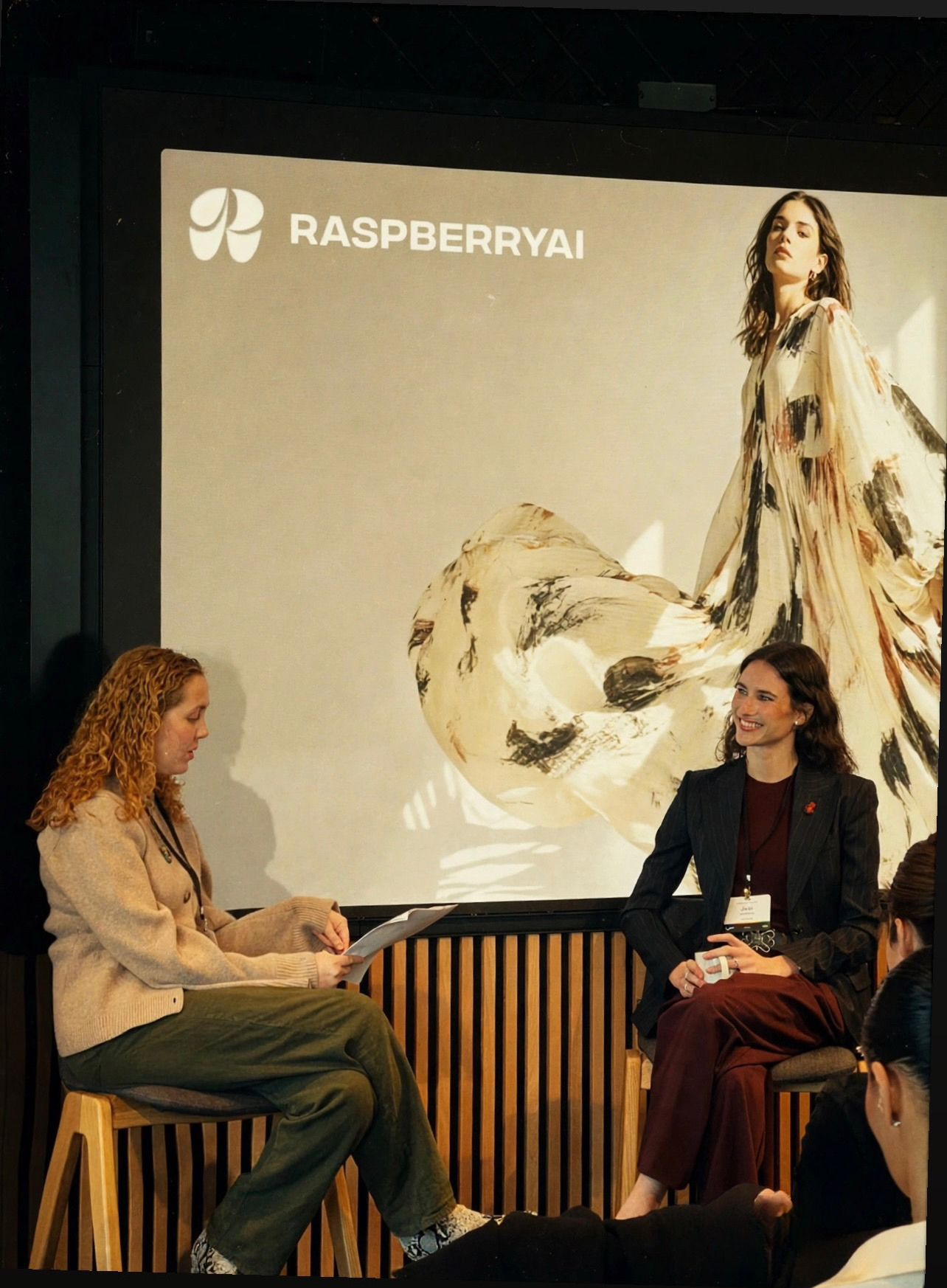
On Tuesday, November 10, the CFDA and Raspberry AI co-hosted a Professional Development event at Google’s office at St. John’s Terminal in New York City. Sacha Brown, the CFDA’s Senior Director of Professional Development & Innovation, led a fireside chat with Jane Andrews, Enterprise Account Executive at Raspberry AI. The discussion offered practical insights and industry perspectives on where AI-generated visuals can help teams make decisions earlier and when they still need a physical sample or fitting to assess fabric, fit, and construction.

Collection development involves a series of commitments, often made before a team can see how a design will come together. Each round of sampling takes time and uses part of the development budget, and a late revision can affect production or photography schedules.

Expanding

Expanding Design Exploration Before Sampling
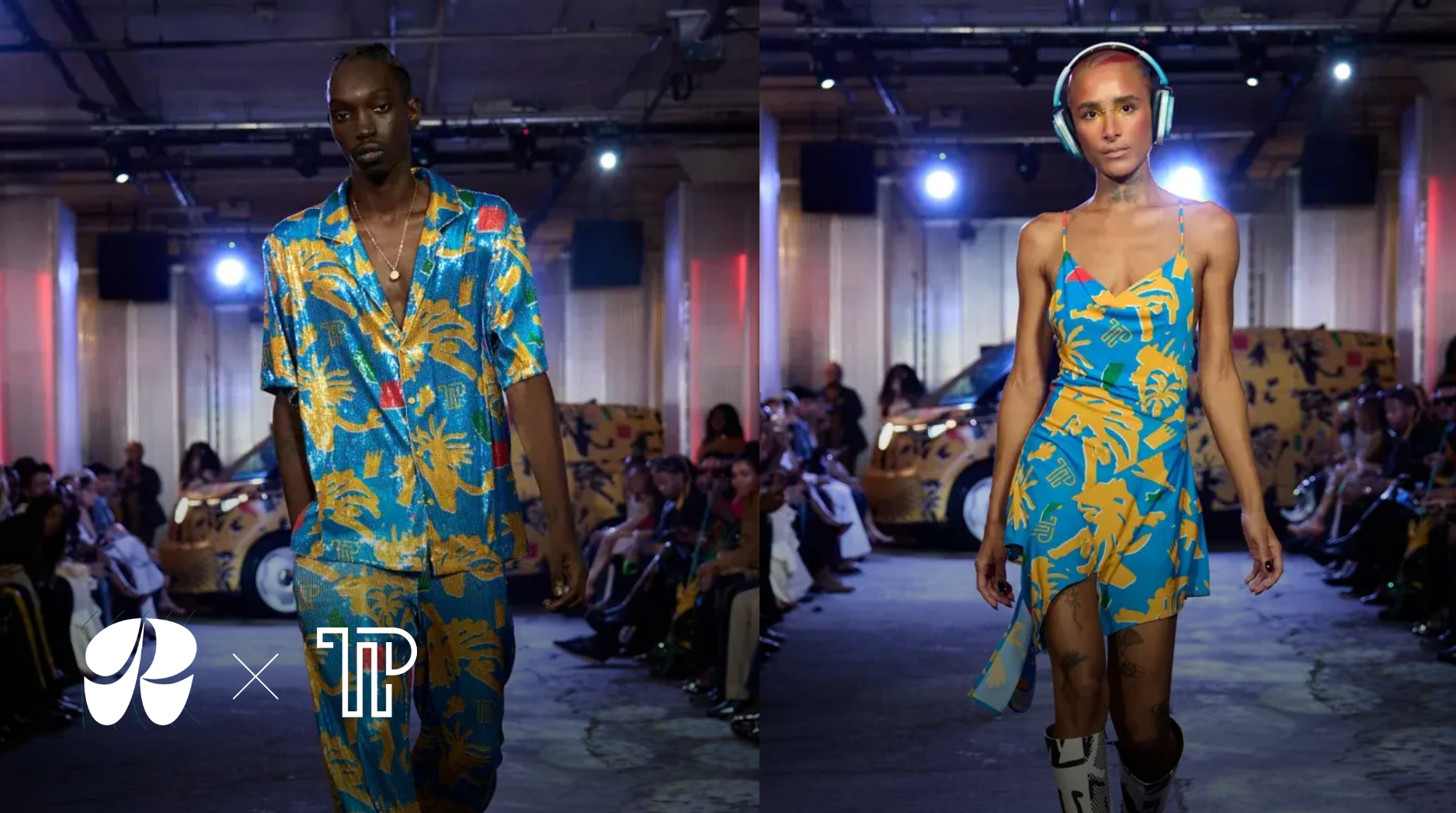
Jane highlighted Raspberry AI’s work with Theophilio founder Edvin Thompson on RIDDIM, his Spring/Summer 2026 collection. Drawing on Jamaican graffiti and mixtape art, Thompson used the platform early in development to explore variations on his graphics and visualize them across several silhouettes. This allowed him to assess how the scale and placement of a print changed from one garment to another before selecting directions for physical sampling.

The example also brought creative control into focus. Jane emphasized the importance of being able to revise an individual element while preserving decisions the designer has already made. A brand known for a distinctive shoulder, for instance, could retain that proportion while exploring a different fabric or surface treatment. Starting with a recognizable feature gives the team a way to assess how far a variation can go while still fitting within the collection.

Improving

Improving Handoffs Across Teams
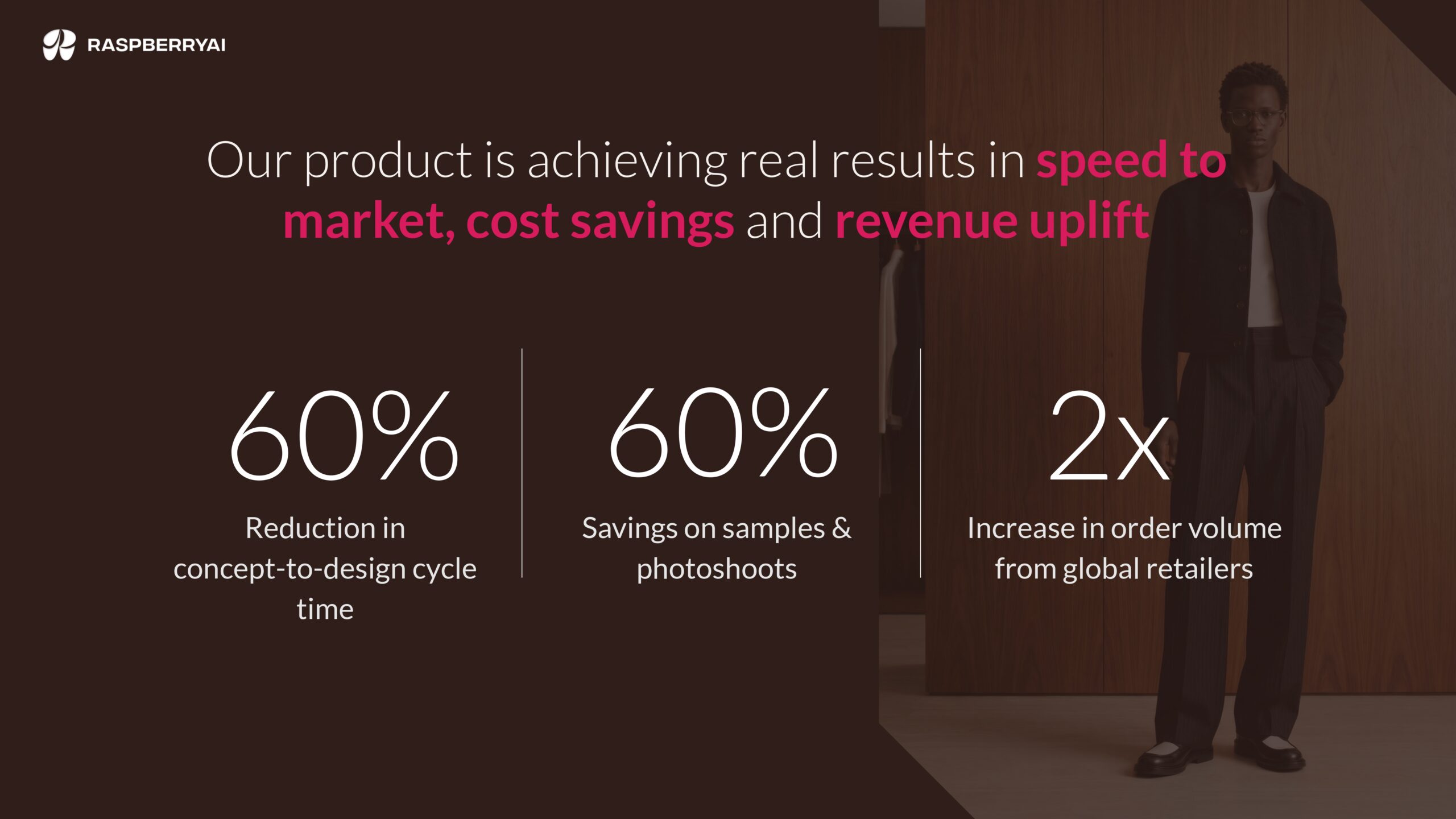
At sportswear manufacturer Unrivaled Teamwear, the challenge was coordinating changes across departments working in separate systems. Jane explained that a revision made during design could affect merchandising, marketing, and product photography, with details sometimes lost as work moved between teams. A shared workspace gave those teams access to the same visuals as designs evolved. Design could retain responsibility for revisions, merchandising could weigh in earlier, and finalized designs could serve as a reference for lookbook and campaign imagery.

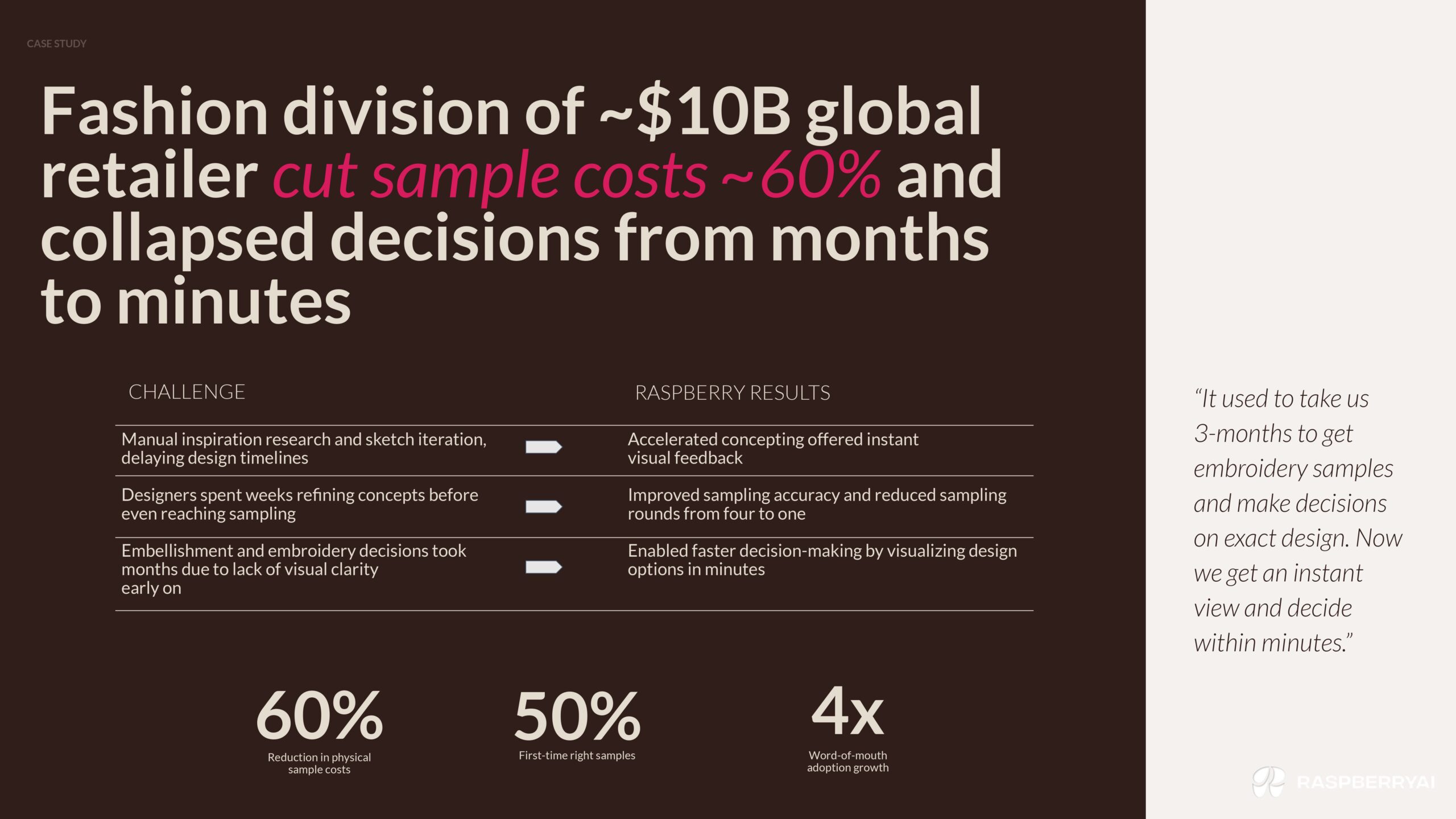
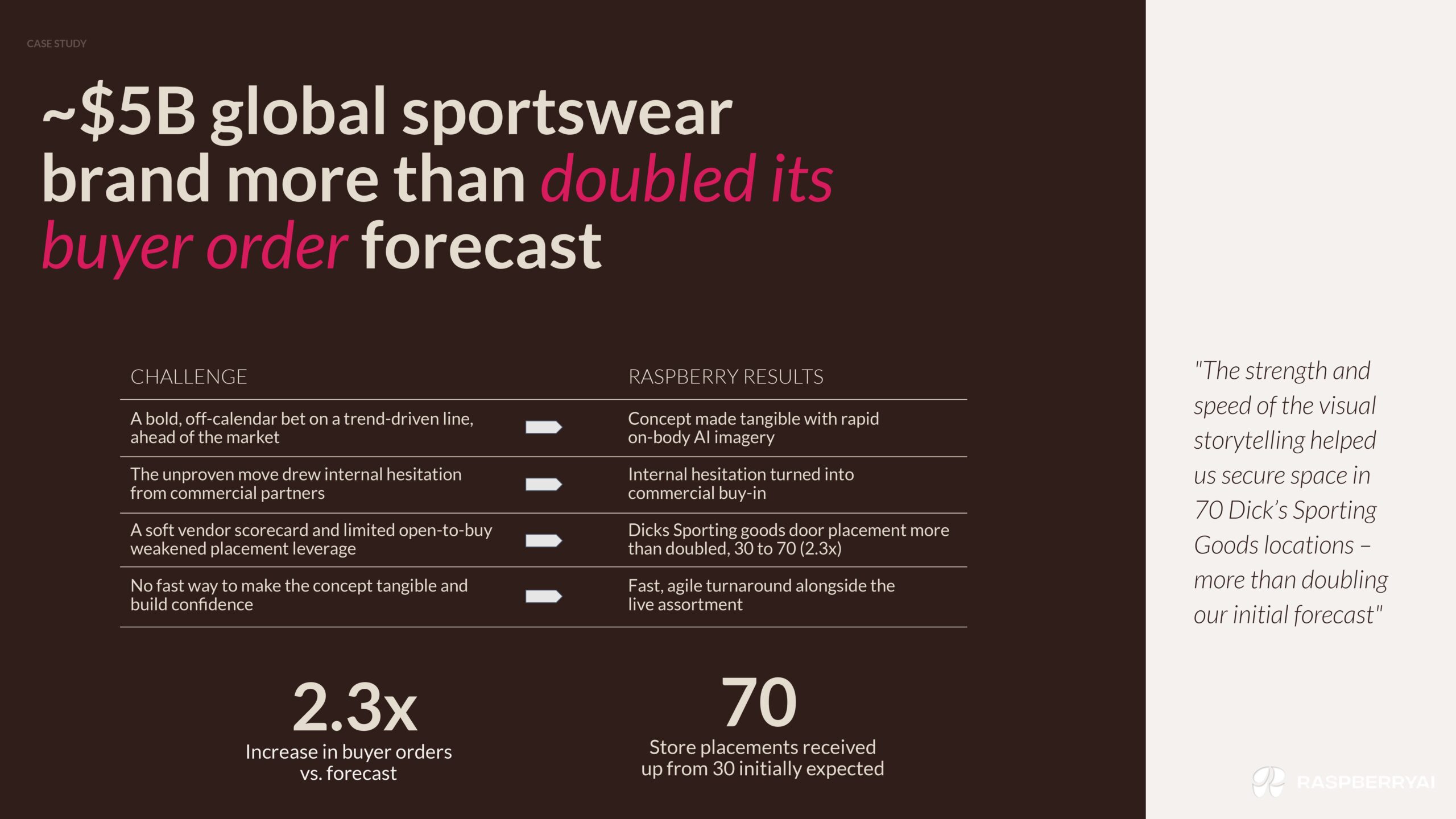
Following the fireside chat, Deepika, Head of Growth at Raspberry AI, presented additional case studies on how brands are incorporating visualization into their work with internal teams and retail partners. One example focused on how earlier product imagery gave a retail buyer a clearer view of a proposed assortment and allowed the brand to incorporate feedback while there was still time to revise it.

01 / 03

From

From Sketch to Product Imagery

Lindsay Laffoon, Solutions Engineer at Raspberry AI, led a product demonstration that followed a single design through several stages of development. The workflow began with a sketch, generated a digital render, and showed how a team could compare materials and colorways before visualizing the garment on a model; then moved into downstream applications, including product detail pages, campaign concepts, and line sheets. The Raspberry platform operates on an infinite canvas, allowing teams to collaborate in real-time.

By following one design through the process, Lindsay showed how the same visual could serve different purposes. During development, it could help a team compare design options. Later, it could provide a consistent reference for merchandising presentations or for planning how the product would be shown online.

Where

Where Visualization Fits in Production

The discussion also addressed the technical decisions involved in moving a design into production. A digital preview can help a team assess the scale and placement of a print. Preparing that fabric for cutting requires checking how the repeat will align across pattern pieces. Similarly, a rendering can convey the intended appearance of a fabric, while sourcing decisions depend on what mills can supply and whether the material meets cost and margin targets. On-model imagery can communicate an intended proportion, with fittings and verified specifications establishing measurements such as the exact inseam.

The Raspberry AI team described creative exploration as one of the most valuable ways to reinvest time saved earlier in the process. For an independent designer, that might mean developing one more print direction before committing to samples. For a larger team, it might mean incorporating merchandising feedback before a revision affects production or photography schedules. In each case, earlier visualization gives teams more time to evaluate a decision before committing resources to it.

Video by Conall Sweeney

Subscribe

Keep up-to-date with all the latest news from the Council of Fashion Designers of America.